Cucumber Flowers Falling Off: Check the Flower Type and Cultivar
Cucumber flowers can fall because of normal male blossom drop, poor pollination, heat, or watering stress. Learn what is normal and when to take action.
Diagnose common plant symptoms, identify likely causes, and find practical fixes.
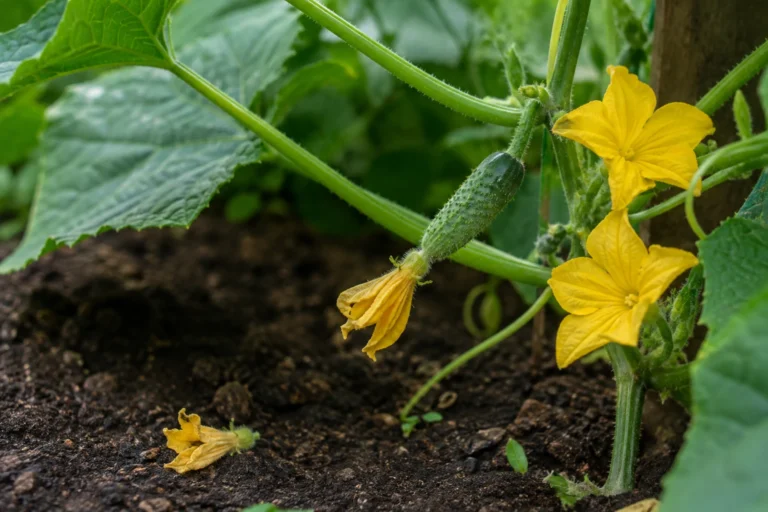
Cucumber flowers can fall because of normal male blossom drop, poor pollination, heat, or watering stress. Learn what is normal and when to take action.
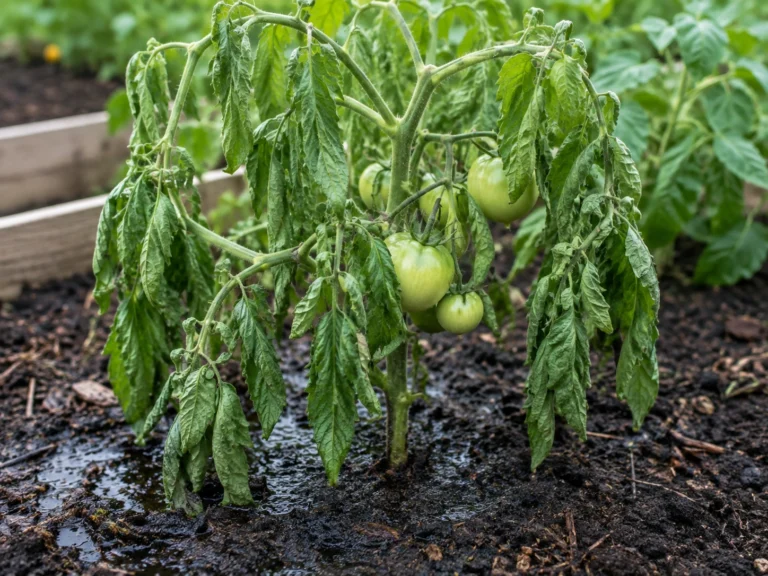
Tomatoes can wilt after transplanting from root disturbance, sun shock, dry soil, wind, or planting stress. Learn how to help new transplants recover well.
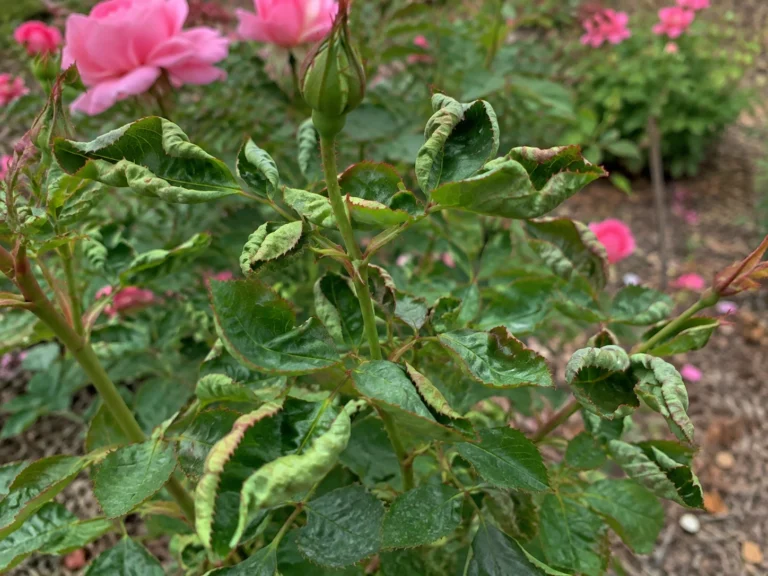
Brown rose buds may come from thrips, botrytis, weather stress, watering issues, or buds that fail to open. Learn how to identify the likely cause.
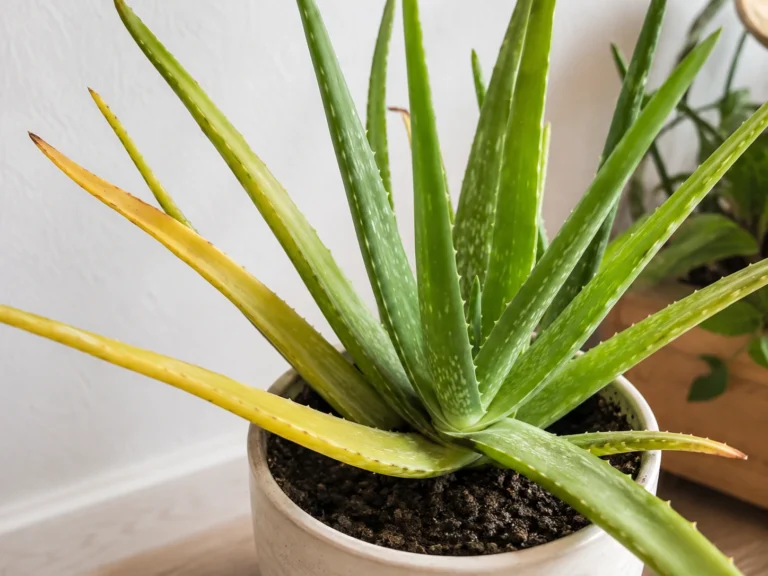
Brown spots on aloe vera can come from sun stress, overwatering, edema, cold damage, pests, or old injury. Learn how to read the pattern and fix care.
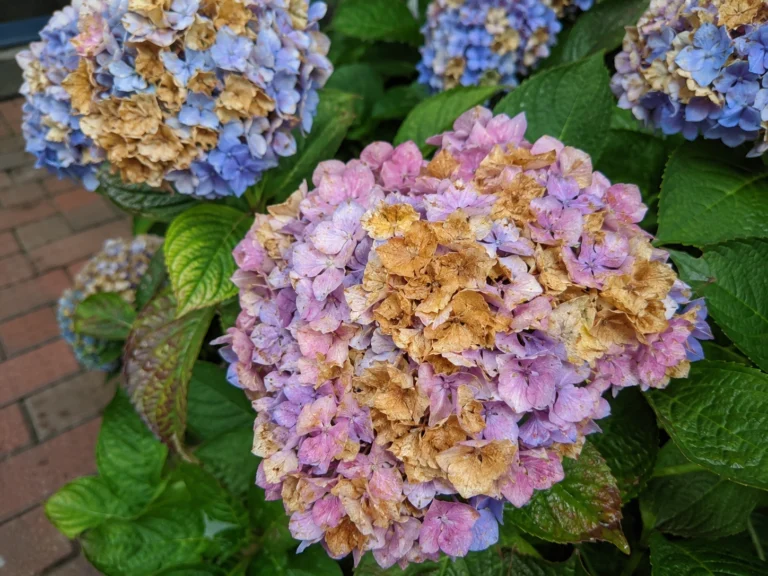
Hydrangeas wilt from heat, dry soil, transplant stress, root issues, or too much afternoon sun. Learn how to tell temporary droop from a real problem.
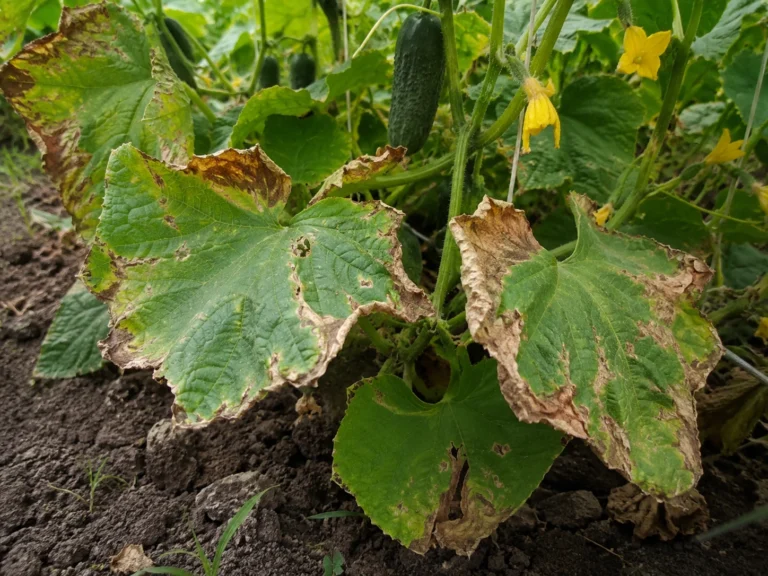
Brown cucumber leaves can come from drought stress, leaf disease, fertilizer burn, sun scorch, or aging foliage. Learn how to narrow down the real cause.
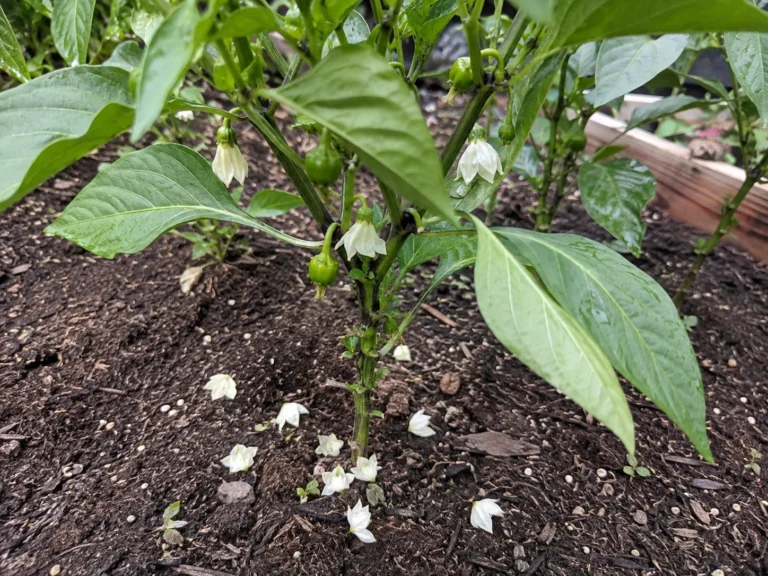
Pepper flowers can drop because of heat, poor pollination, watering stress, or excess nitrogen. Learn the common causes and how to keep blossoms attached.
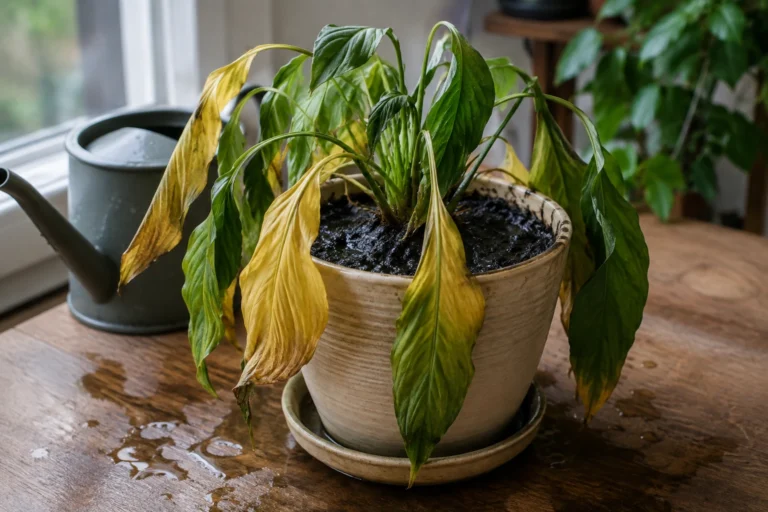
Yellow peace lily leaves can come from overwatering, drought, old foliage, excess light, or root stress. Learn which pattern points to each cause.
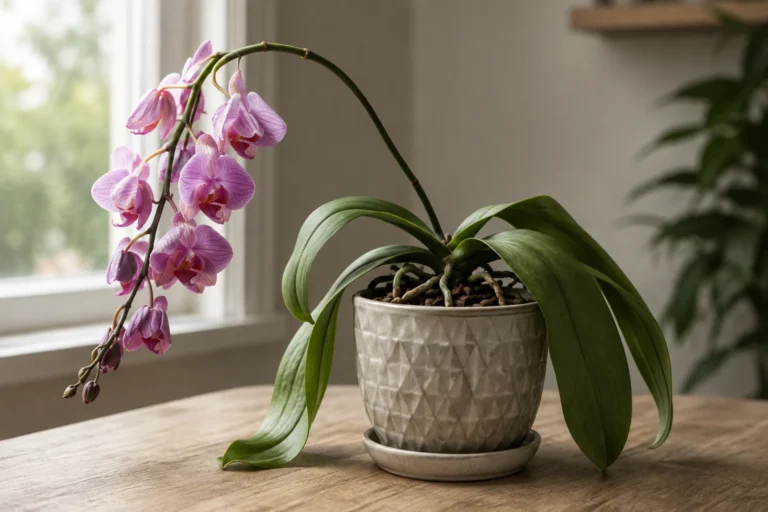
Drooping orchid flowers may be finishing their normal bloom cycle or reacting to watering, temperature, or root stress. Learn how to tell the difference.
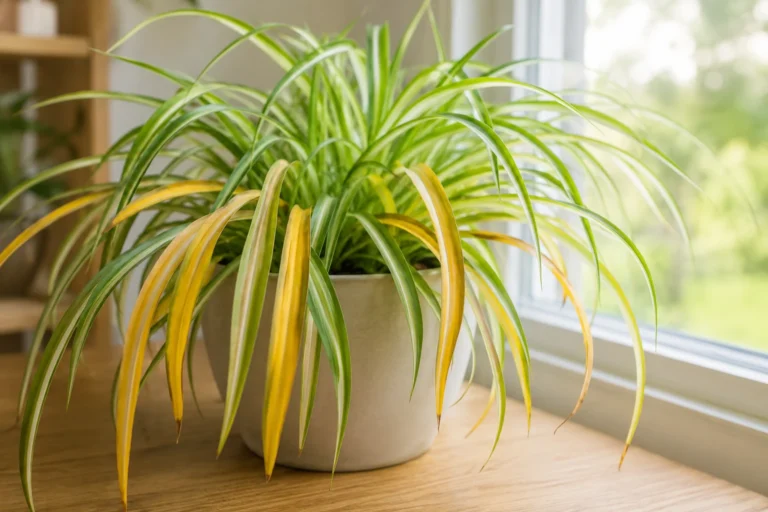
Yellow spider plant leaves can result from too much water, low light, root crowding, salt buildup, or normal aging. Learn how to identify the real cause.