Why Is Mold Growing on My Houseplant Soil?
Mold on houseplant soil usually points to excess moisture, stale air, or organic debris. Learn when it is harmless and how to correct the conditions causing it.
Diagnose common plant symptoms, identify likely causes, and find practical fixes.
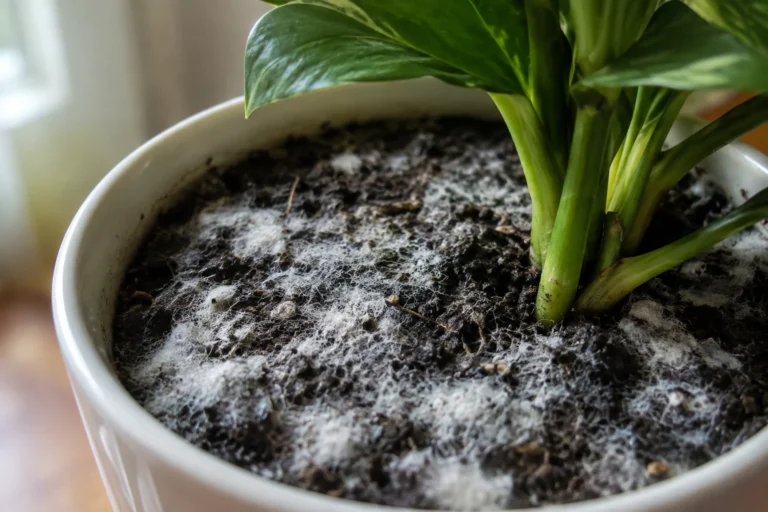
Mold on houseplant soil usually points to excess moisture, stale air, or organic debris. Learn when it is harmless and how to correct the conditions causing it.
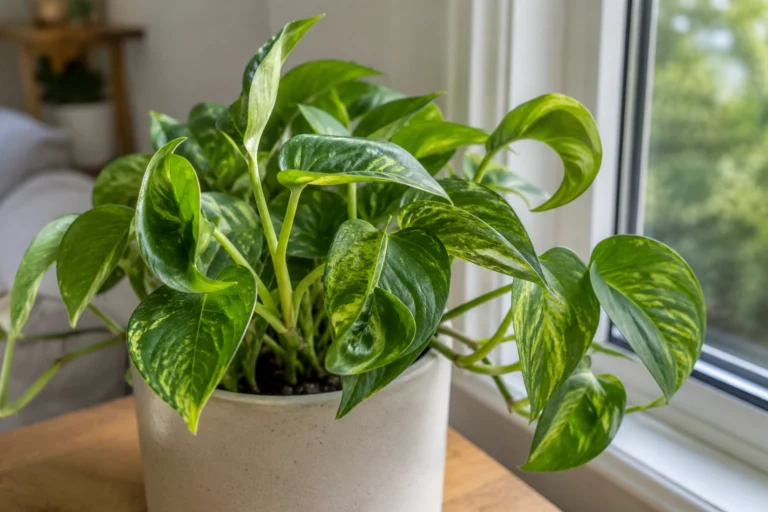
Pothos variegation often fades when light is too low. Learn why leaves turn greener, how to improve light, and when pruning can help bring back pattern.
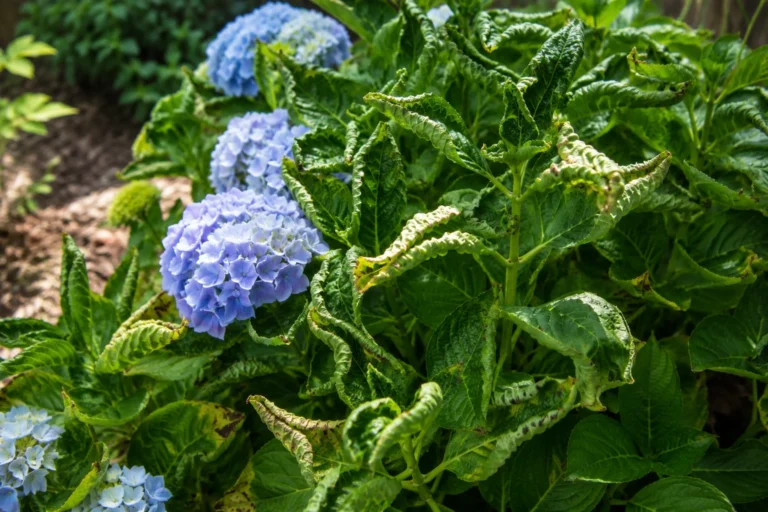
Hydrangea leaves can curl from heat stress, underwatering, herbicide drift, pests, or disease. Learn how to read the leaf pattern before treating the plant.
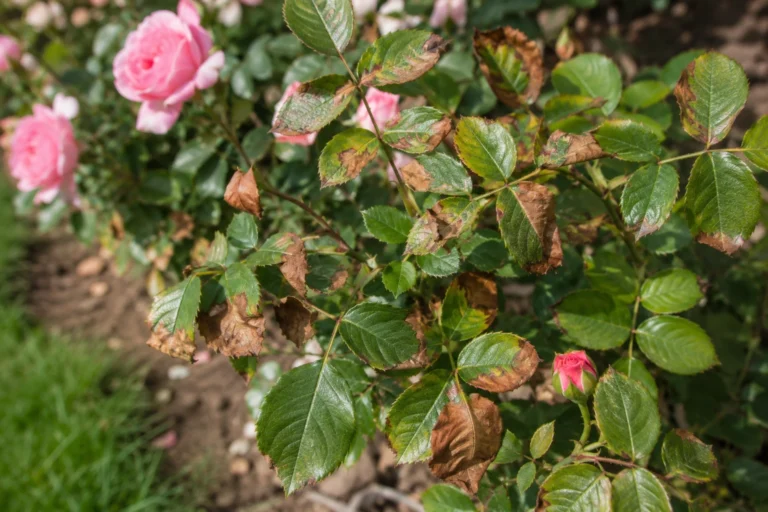
Brown rose leaves can result from black spot, drought stress, heat scorch, salt buildup, or normal aging. Learn how to narrow down the most likely cause.
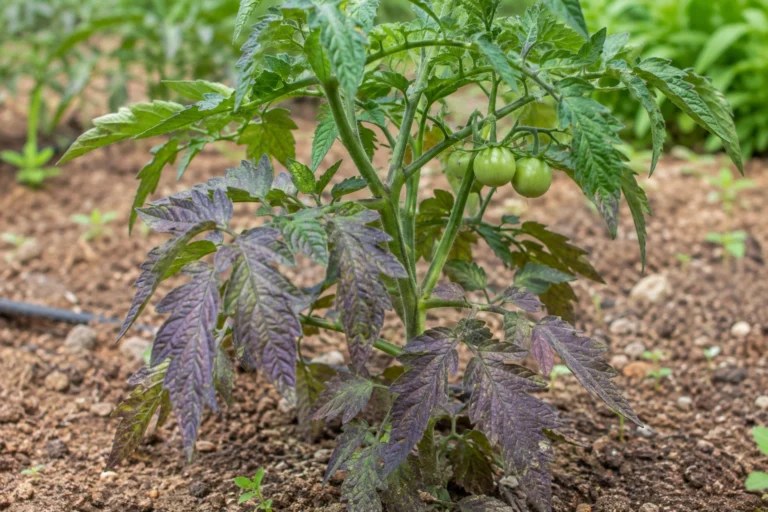
Purple tomato leaves may point to cool weather, phosphorus stress, genetics, or root problems. Learn when the color is temporary and when it needs attention.
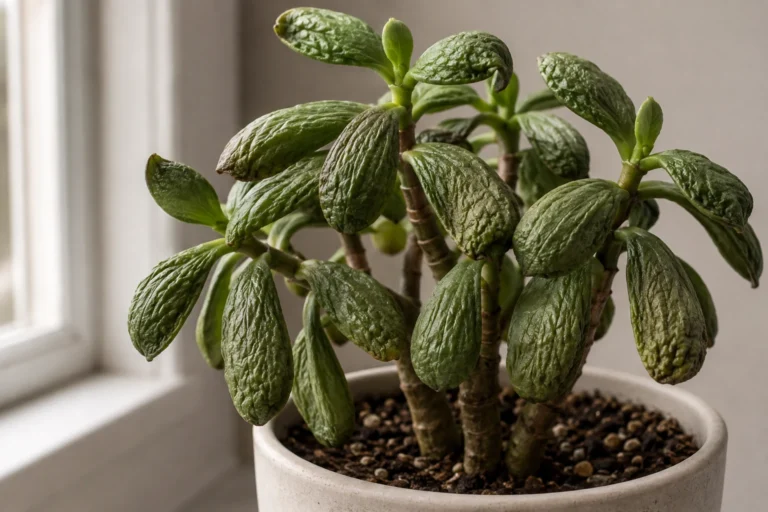
Wrinkled jade leaves usually signal dehydration, but root problems can prevent a wet plant from taking up water. Learn how to diagnose the soil and roots first.
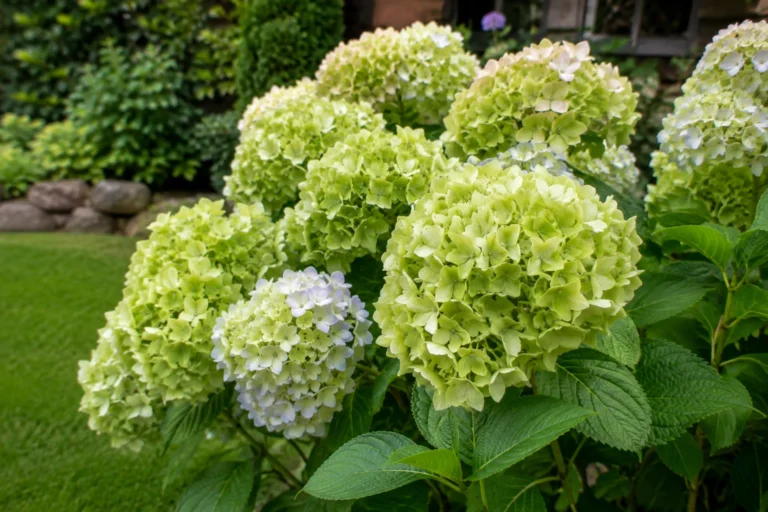
Hydrangea flowers often turn green naturally as blooms age, but variety, season, light, and weather can affect the color change. Learn when green blooms are normal.
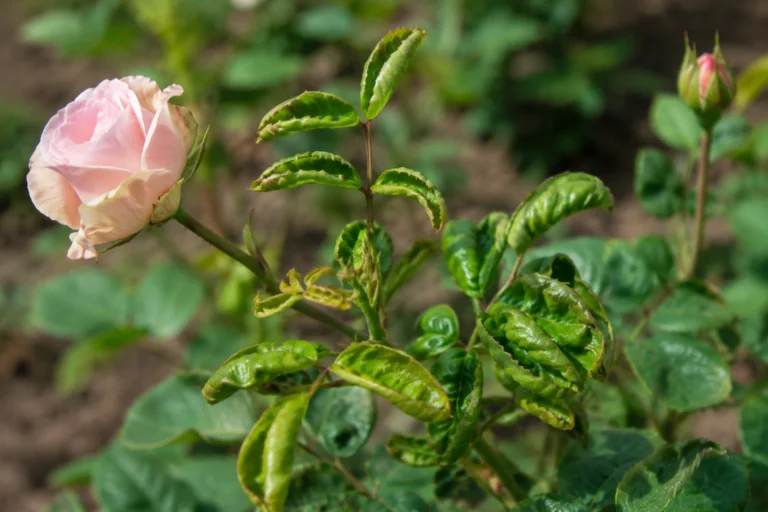
Rose leaves curl from aphids, heat stress, water problems, herbicide injury, disease, or feeding damage. Learn how to identify the cause from the leaf pattern.
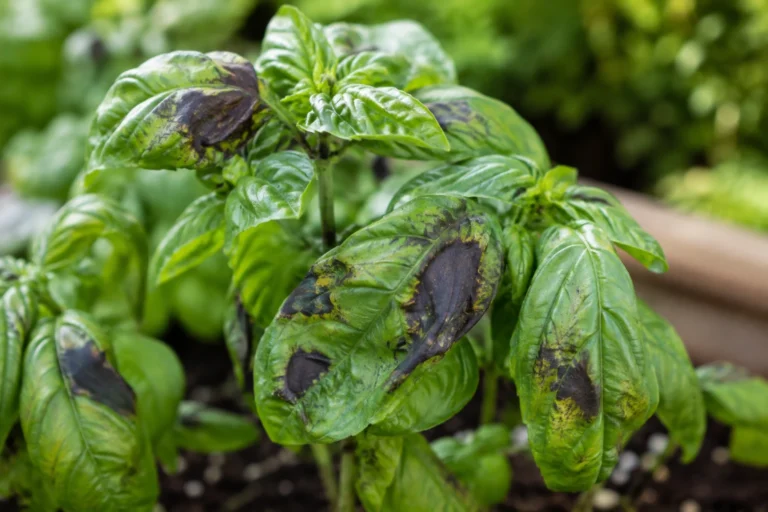
Black basil leaves can result from cold damage, excess moisture, leaf disease, bruising, or severe stress. Learn how to identify the pattern and save the plant.
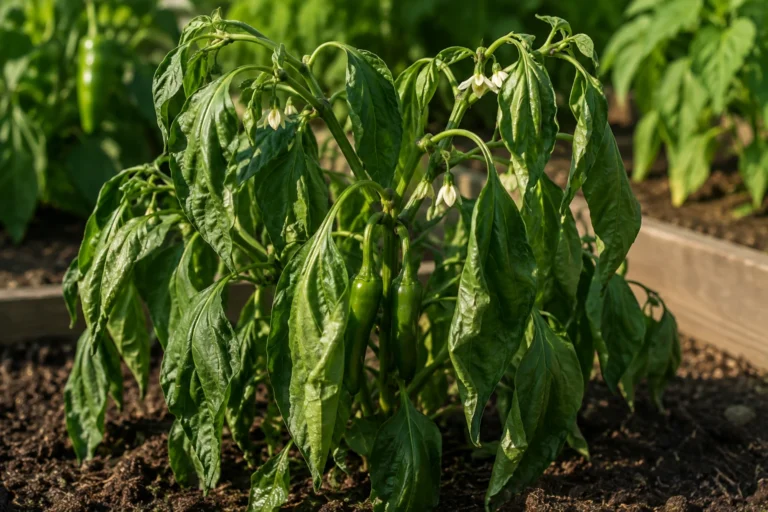
Drooping pepper leaves may be caused by heat, dry soil, overwatering, transplant stress, or root trouble. Learn how to diagnose the pattern before watering again.