What Scale Insects Look Like: Covers, Honeydew, and Crawlers
Scale insects look like small brown, tan, or waxy bumps attached to stems and leaves. Learn how to identify scale and distinguish it from dirt or plant tissue.
Identify garden pests and plant diseases, then learn how to treat and prevent them.
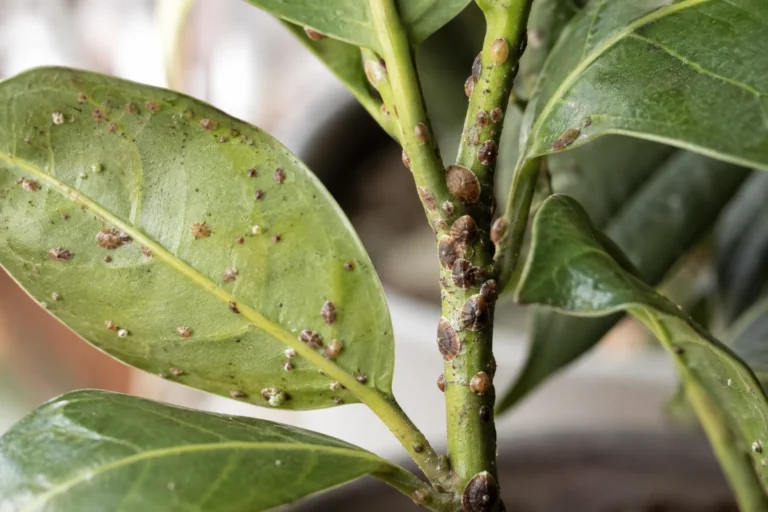
Scale insects look like small brown, tan, or waxy bumps attached to stems and leaves. Learn how to identify scale and distinguish it from dirt or plant tissue.
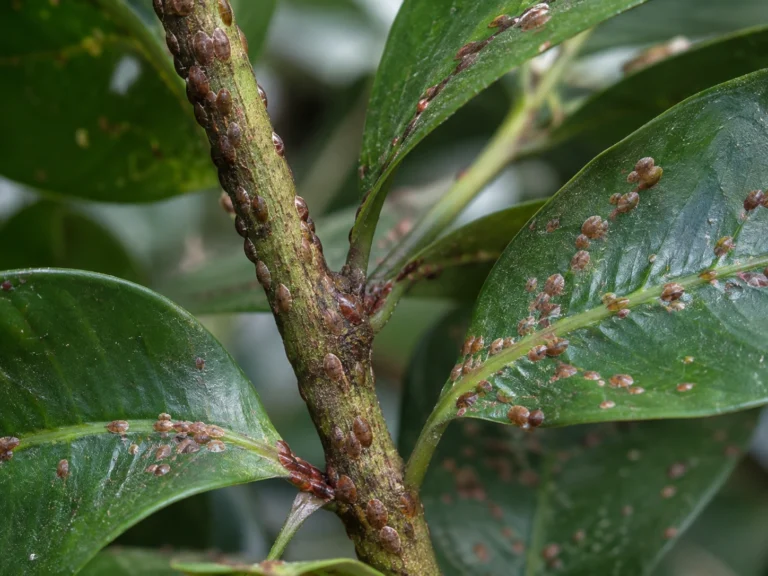
Brown bumps on leaves and stems are often scale insects. Learn how to identify them, remove them safely, and stop them from spreading on houseplants.
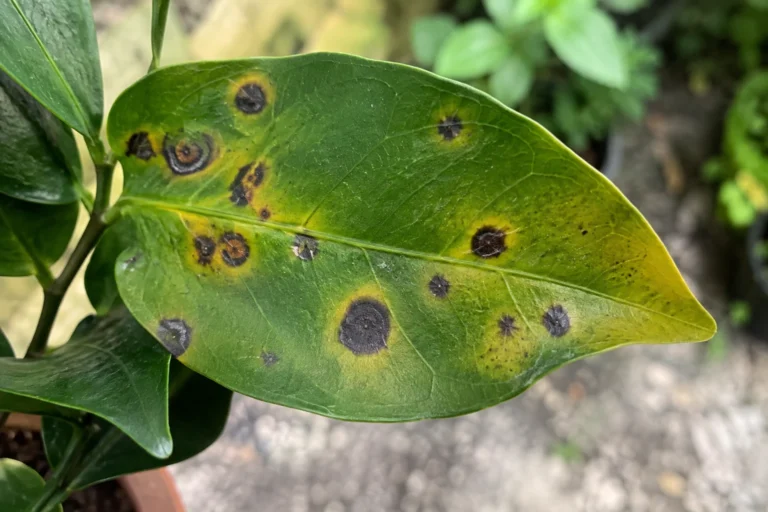
Dark spots with yellow halos can be caused by fungal or bacterial leaf spot. Learn how to reduce spread, improve conditions, and protect new growth.
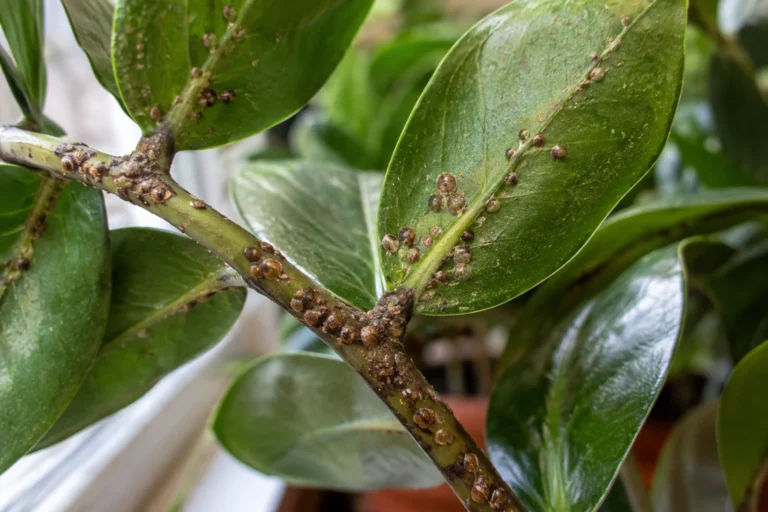
Scale insects look like small brown bumps on leaves and stems and can weaken houseplants. Learn how to identify, remove, treat, and monitor them.
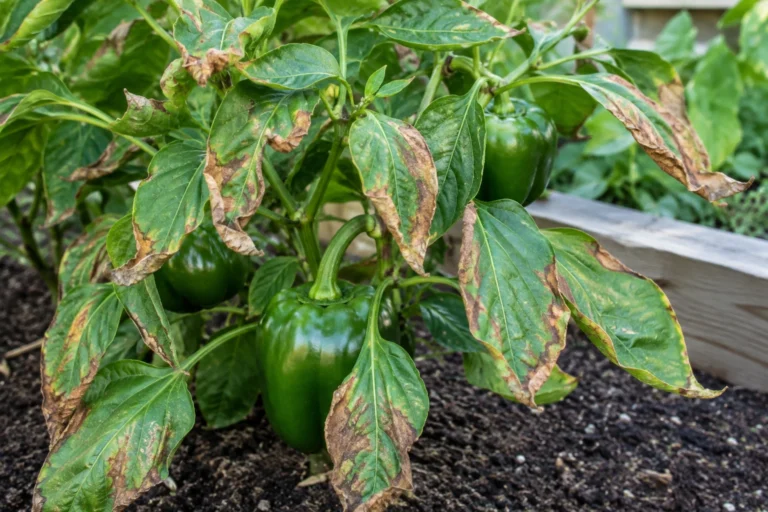
Bacterial leaf spot causes dark lesions, yellowing, and leaf drop on peppers. Learn how to identify it, slow spread, and prevent future outbreaks.
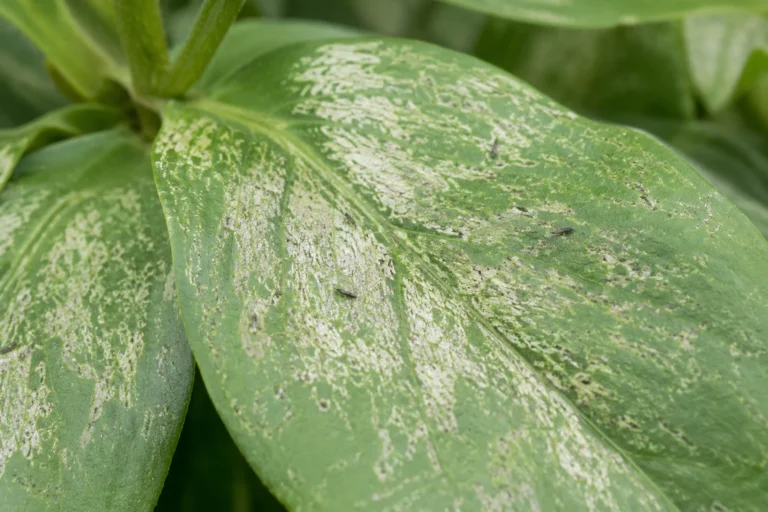
Thrips cause silvery scarring and distorted leaves. Learn how to identify thrips, reduce their numbers, and protect plants with practical follow-up steps.
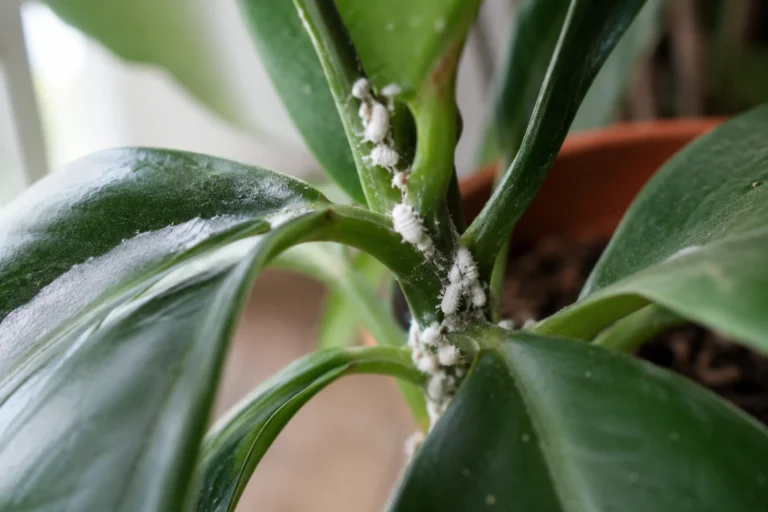
Mealybugs hide in leaf joints and stems, weakening houseplants over time. Learn how to isolate, clean, treat, and monitor plants effectively.
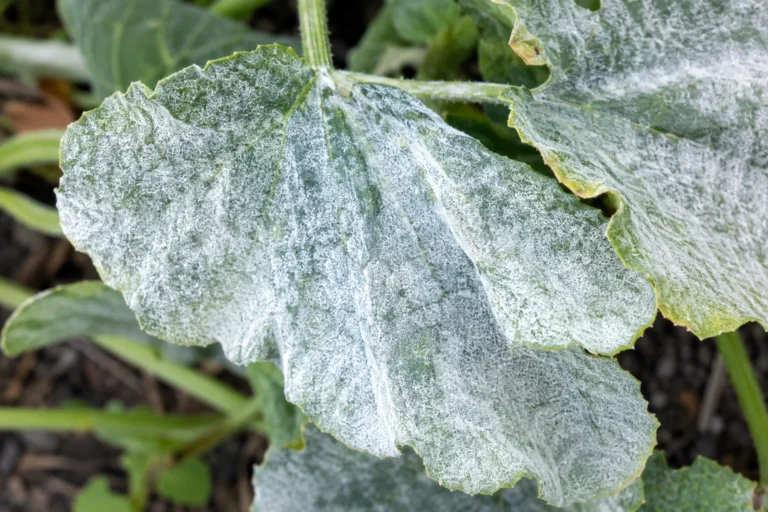
Powdery mildew causes a white powdery coating on leaves and stems. Learn what helps, what does not, and how to reduce repeat infections.
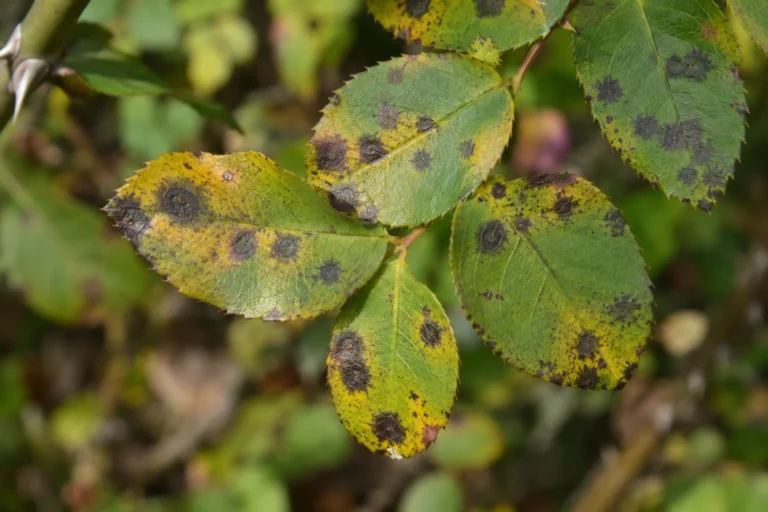
Black spot causes dark feathery lesions, yellow leaves, and defoliation on roses. Learn how to clean up infection and reduce future disease pressure.
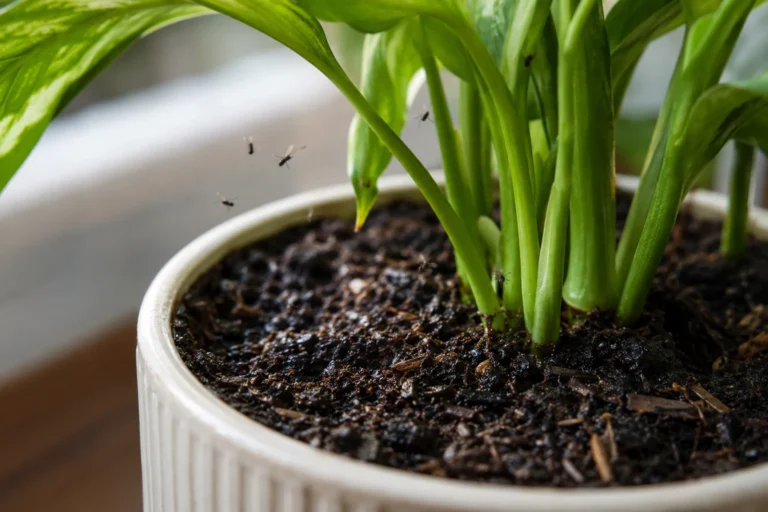
Fungus gnats breed in persistently moist potting mix. Learn how to break their life cycle with drying, traps, sanitation, and targeted larval control.