Why Are My Hydrangea Leaves Curling?
Hydrangea leaves can curl from heat stress, underwatering, herbicide drift, pests, or disease. Learn how to read the leaf pattern before treating the plant.
Care and troubleshooting guides for roses, hydrangeas, lavender and ornamental plants.
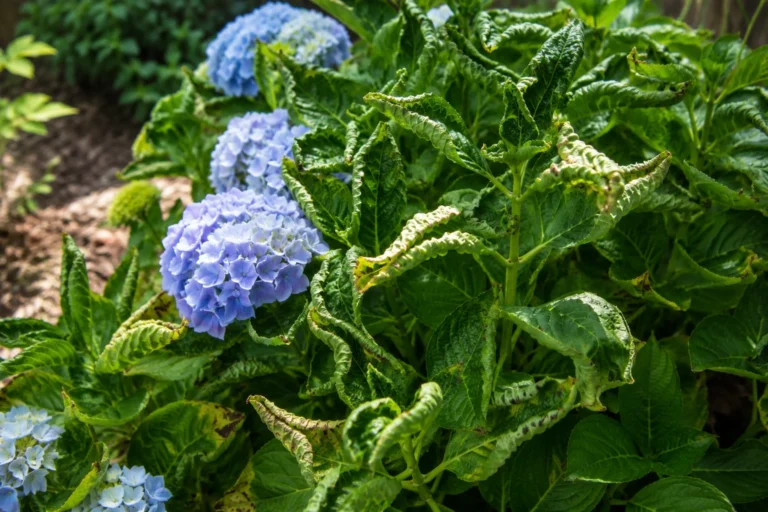
Hydrangea leaves can curl from heat stress, underwatering, herbicide drift, pests, or disease. Learn how to read the leaf pattern before treating the plant.
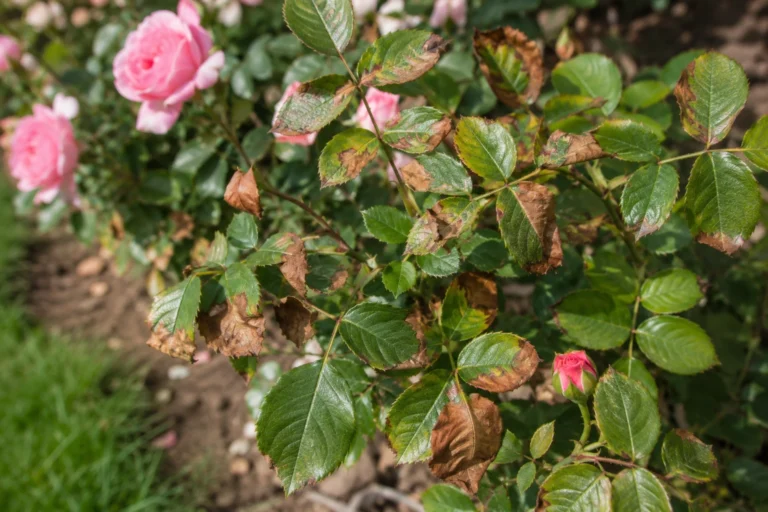
Brown rose leaves can result from black spot, drought stress, heat scorch, salt buildup, or normal aging. Learn how to narrow down the most likely cause.
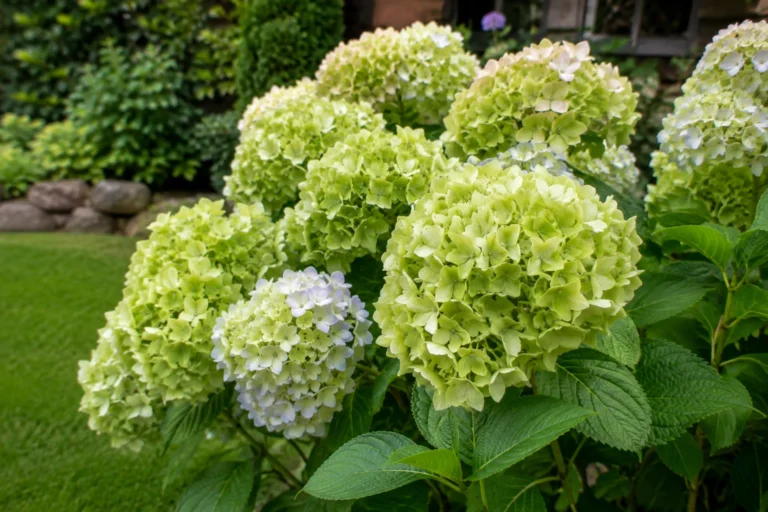
Hydrangea flowers often turn green naturally as blooms age, but variety, season, light, and weather can affect the color change. Learn when green blooms are normal.
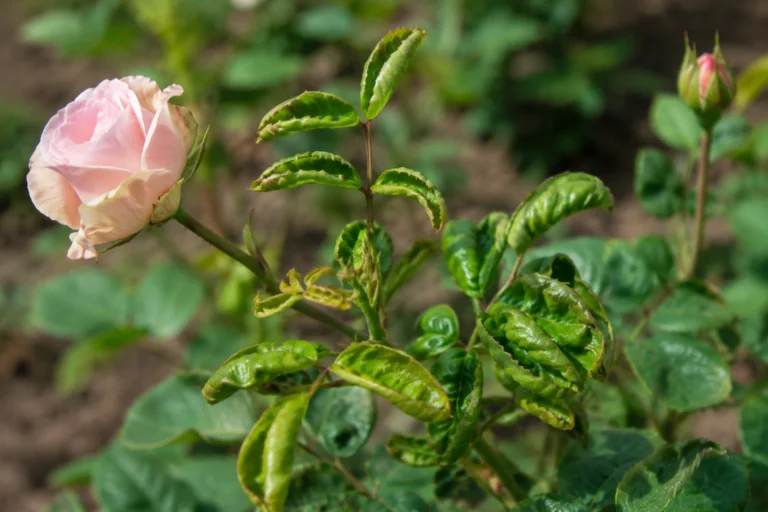
Rose leaves curl from aphids, heat stress, water problems, herbicide injury, disease, or feeding damage. Learn how to identify the cause from the leaf pattern.
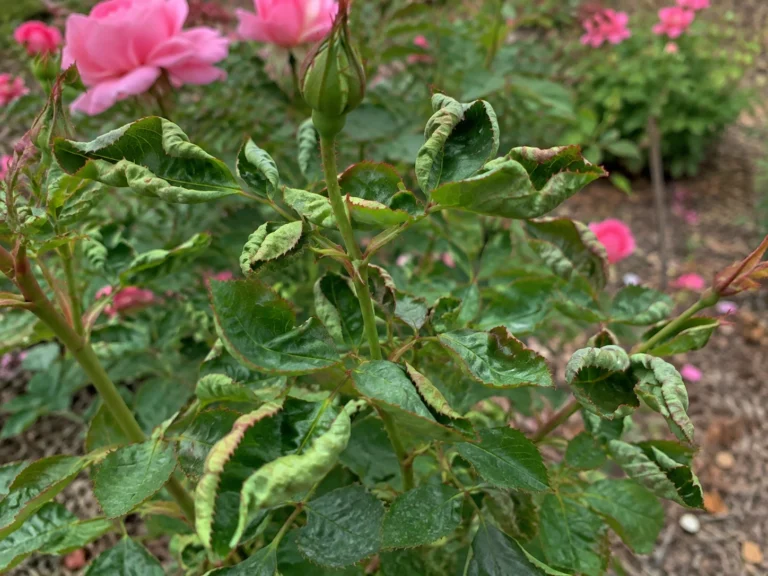
Brown rose buds may come from thrips, botrytis, weather stress, watering issues, or buds that fail to open. Learn how to identify the likely cause.
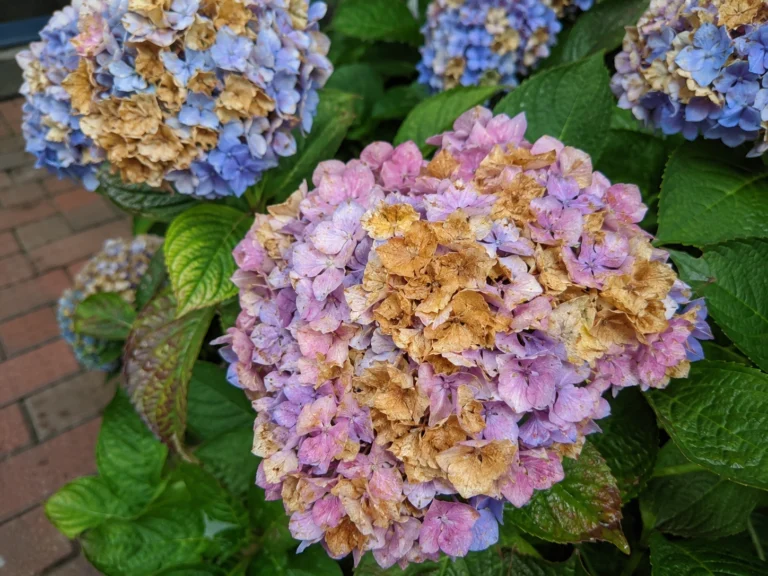
Hydrangeas wilt from heat, dry soil, transplant stress, root issues, or too much afternoon sun. Learn how to tell temporary droop from a real problem.
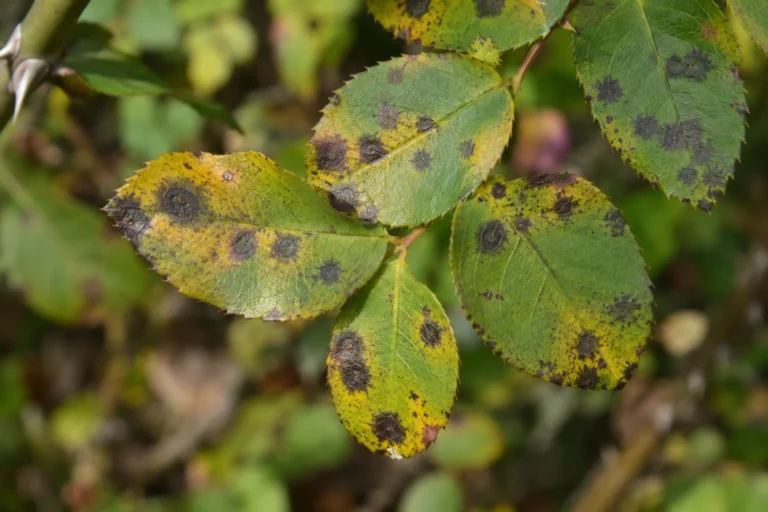
Black spot causes dark feathery lesions, yellow leaves, and defoliation on roses. Learn how to clean up infection and reduce future disease pressure.
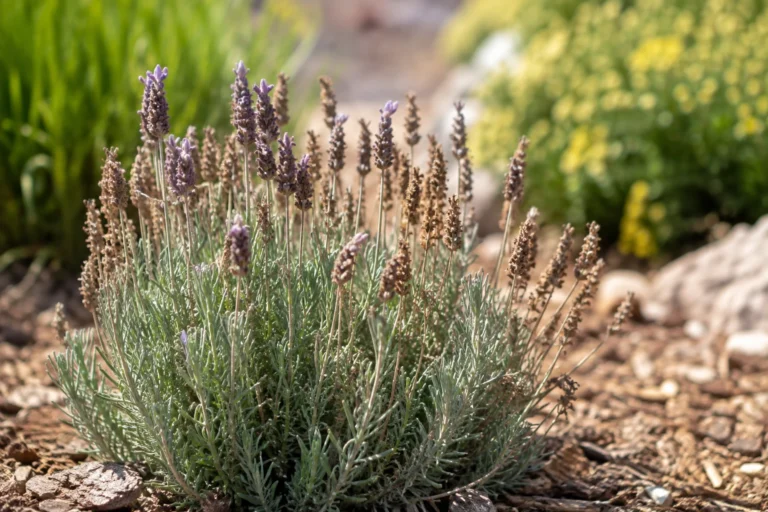
Lavender that looks dry or crispy may be struggling with root rot, winter dieback, old woody growth, or drought. The stems tell you more than the flowers do.
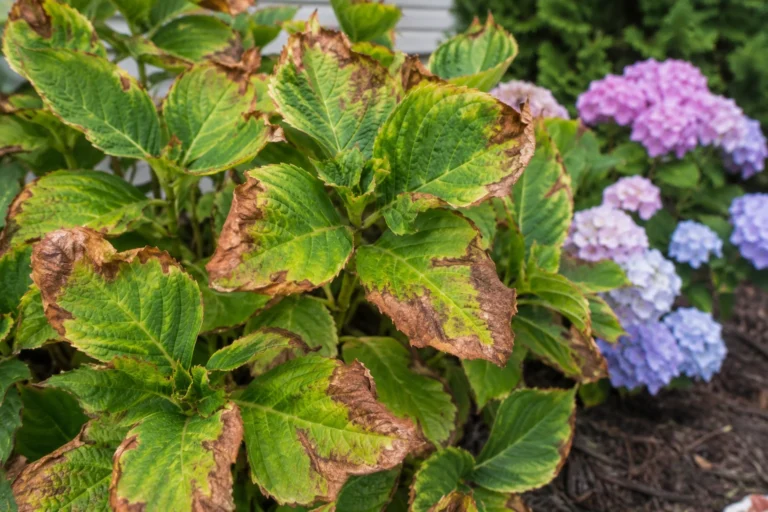
Rose leaves can turn yellow because of watering stress, nutrient deficiency, black spot, or normal aging. Use the leaf pattern to narrow down the cause.
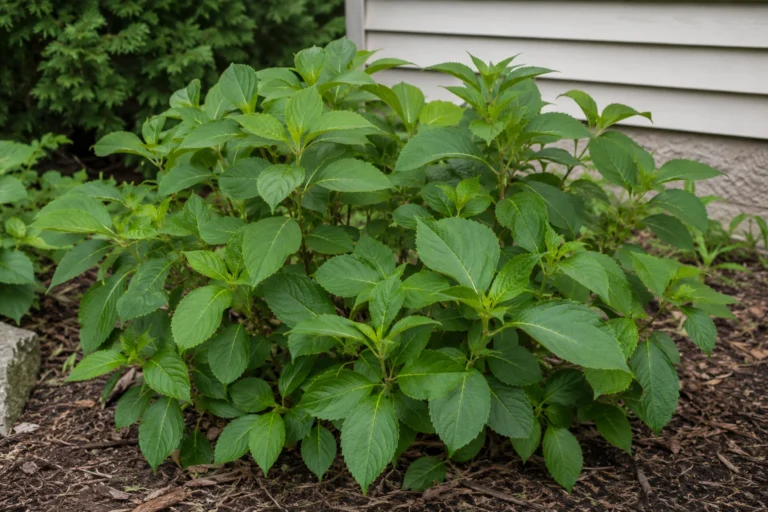
Hydrangeas fail to bloom when buds are pruned off, winter cold damages stems, or the plant gets too much shade. Check the type of hydrangea before pruning again.