Why Are My Peace Lily Leaves Turning Yellow?
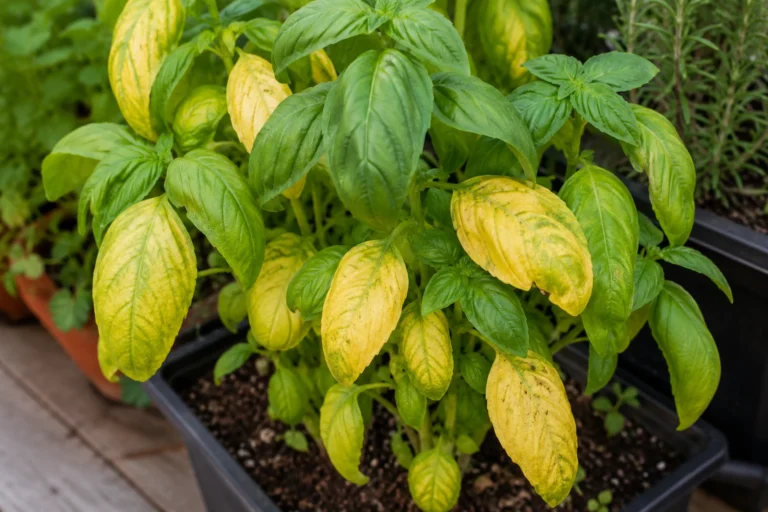
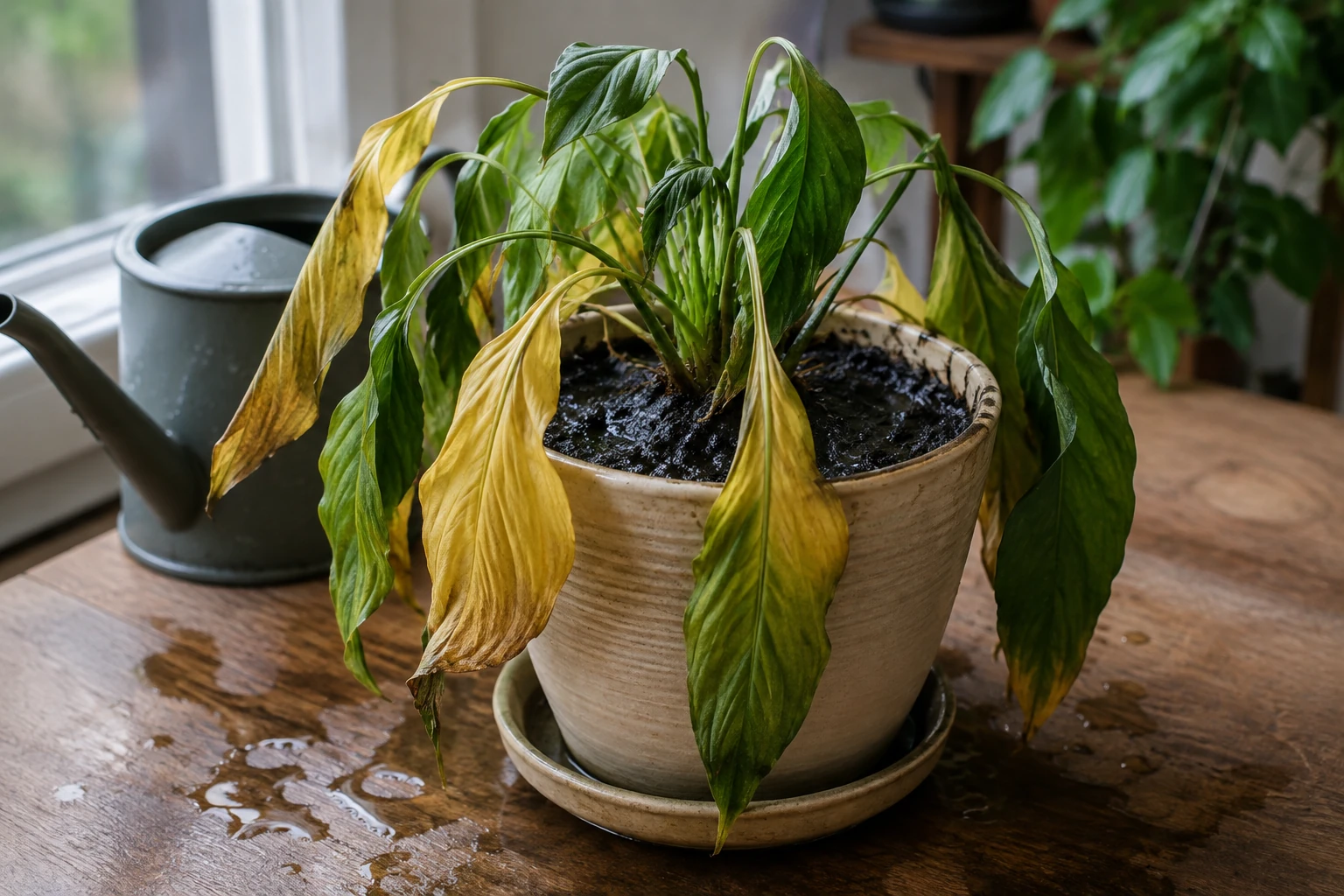
One older peace lily leaf may yellow during normal turnover; several at once suggest a care or root problem. Compare moisture deep in the container with the condition of the newest growth.
Count New Yellow Leaves Over Time
Remove fully failed leaves if appropriate, but record how many changed and when. A continuing sequence after watering or relocation is more informative than an isolated old leaf. Avoid assuming the plant is hungry when its mix remains persistently wet.
Start With the Soil
| What you see | Most likely clue | What to check next |
|---|---|---|
| One oldest lower leaf yellow | Normal aging | Remove when fully yellow |
| Several yellow leaves; soil wet | Overwatering/root stress | Let mix dry and inspect drainage |
| Yellow leaves after severe droop | Drought stress | Restore steadier watering |
| Pale or scorched leaves near bright window | Too much direct light | Move to indirect light |
Overwatering
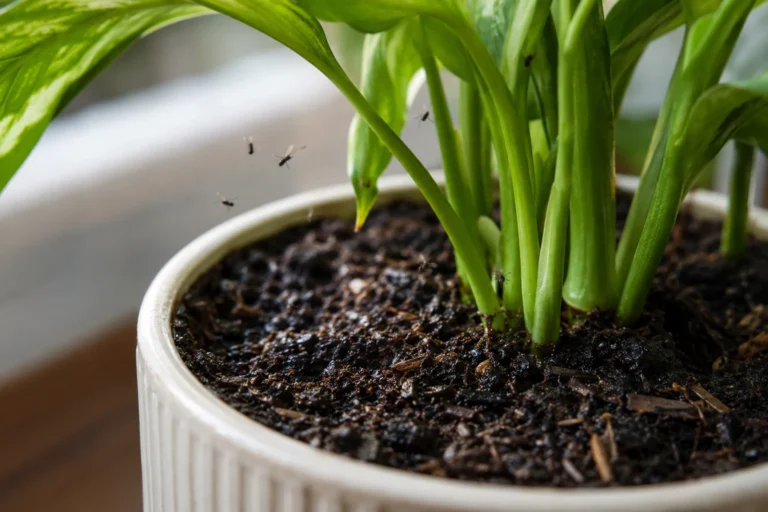
Peace lilies like consistent moisture but do not want to sit in saturated soil. A pot that remains wet for days can reduce root oxygen and cause yellow leaves.
Severe drought
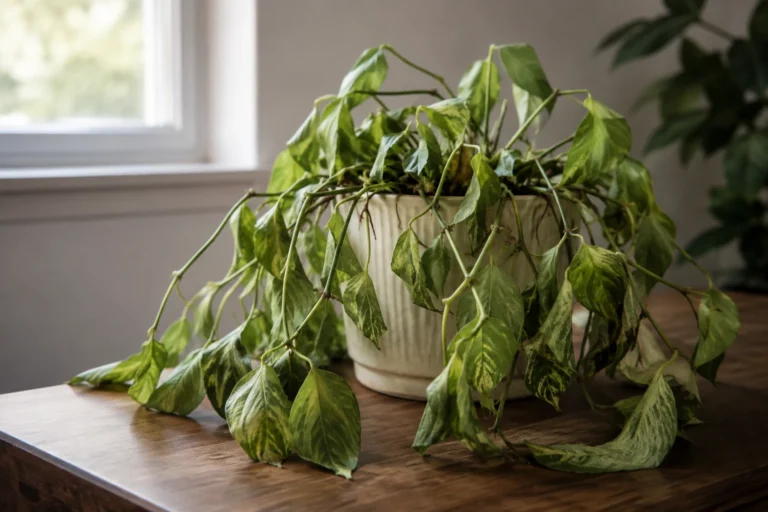
Peace lilies are famous for dramatic wilting when dry. Repeated extreme drying can damage older leaves and lead to yellowing after recovery.
Normal aging
Older lower leaves eventually yellow as the plant reallocates resources. If new growth is healthy, occasional leaf loss is normal.
Too much direct sun
Peace lilies prefer bright indirect light. Strong direct sun can bleach or scorch leaves and speed moisture loss.
Check for Sun Bleaching Near the Window
Yellowed or pale tissue on the most exposed side may reflect excessive light rather than uniform nutrient shortage. Move out of harsh exposure without placing the plant in deep shade. Bright indirect light helps the remaining canopy grow and use water appropriately.
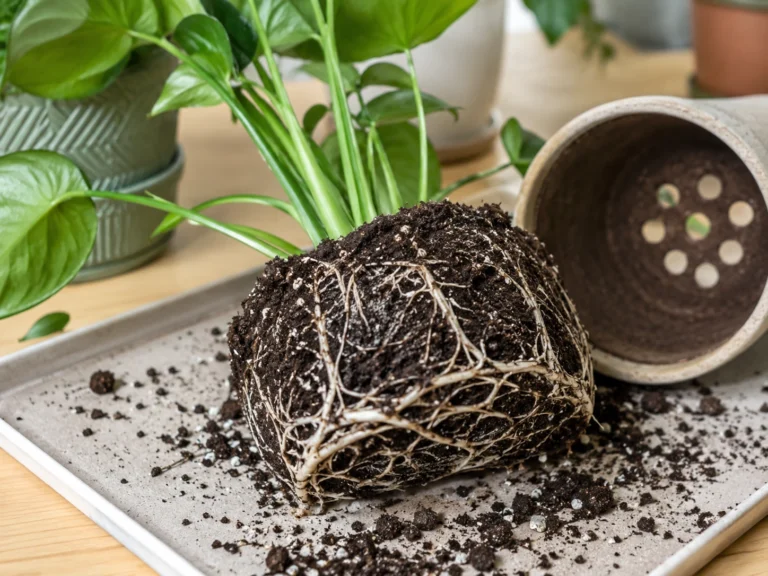
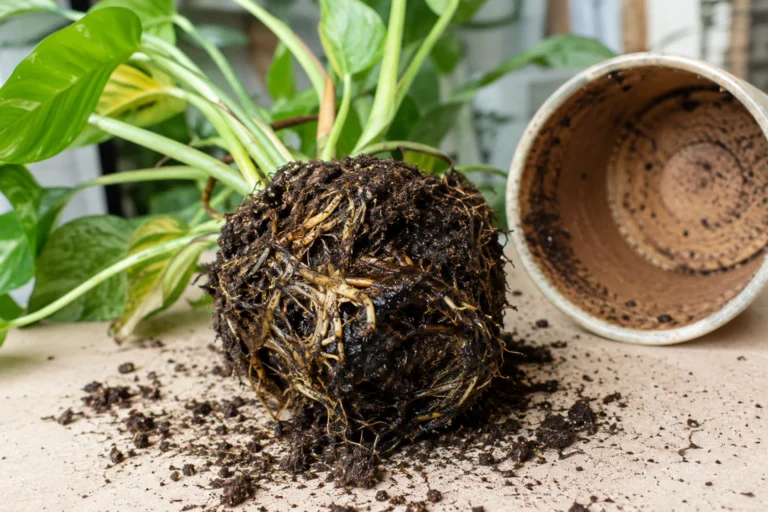
A container with little functional root area may stay wet despite a large leaf canopy. If several leaves yellow while growth slows, unpot gently when justified and inspect firmness rather than adding more feed. Conversely, a densely rooted plant that dries rapidly can experience repeated drought. Those two root-ball conditions require different corrections even when the visible leaf color is similar.
How do I know when to water?
Check the potting mix rather than following a rigid calendar. Water when the upper portion is beginning to dry but before the plant repeatedly collapses.