Why Is Mold Growing on My Houseplant Soil?
Mold on houseplant soil usually points to excess moisture, stale air, or organic debris. Learn when it is harmless and how to correct the conditions causing it.
Problem-solving and care guides for popular houseplants.
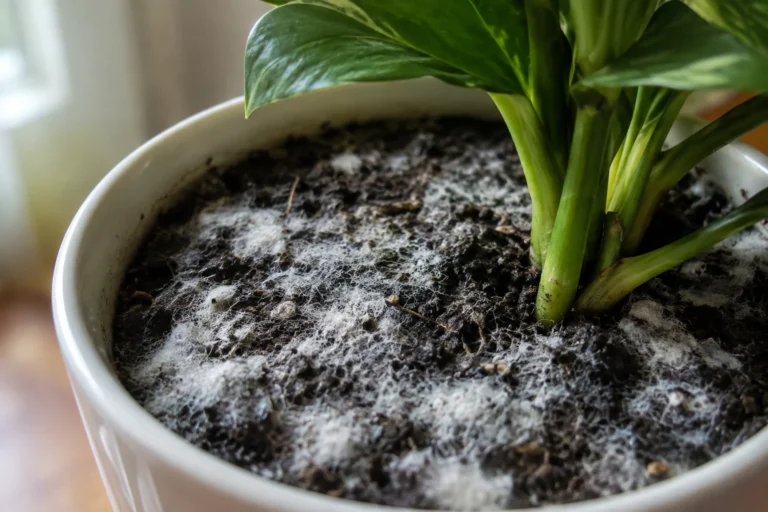
Mold on houseplant soil usually points to excess moisture, stale air, or organic debris. Learn when it is harmless and how to correct the conditions causing it.
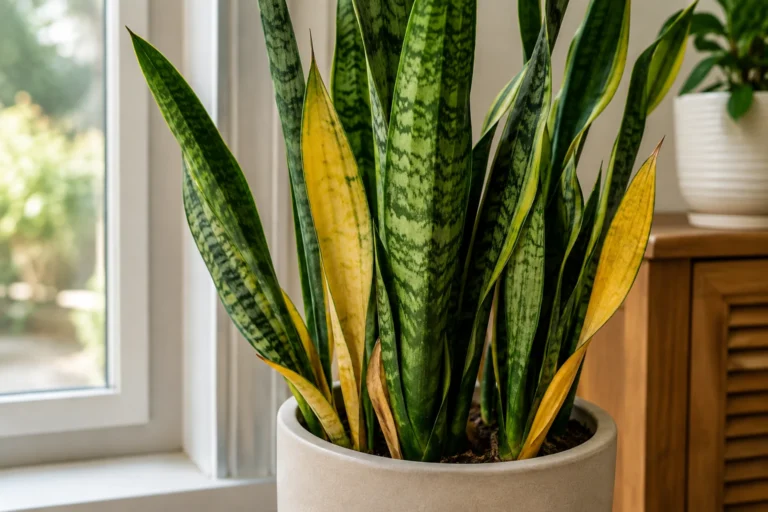
Snake plants need less frequent watering than many houseplants. Learn how season, light, pot size, and soil affect the right watering schedule.
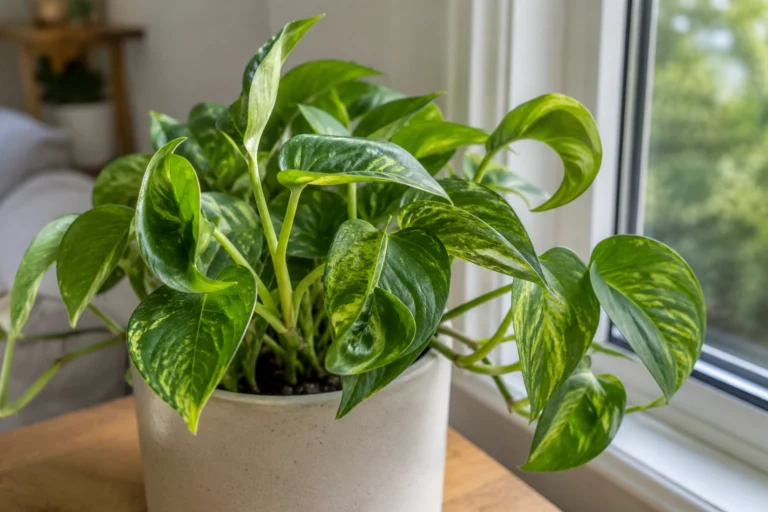
Pothos variegation often fades when light is too low. Learn why leaves turn greener, how to improve light, and when pruning can help bring back pattern.
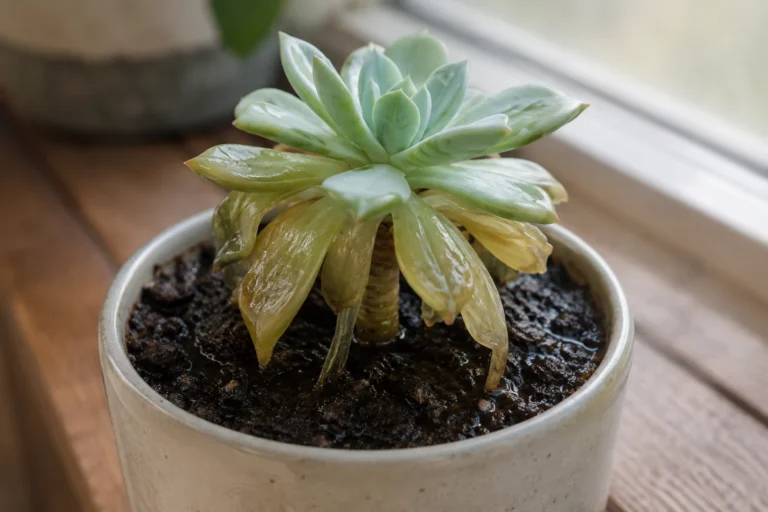
An overwatered succulent may have yellow, translucent, soft, or dropping leaves. Learn how to stop watering, inspect roots, repot, and prevent rot.
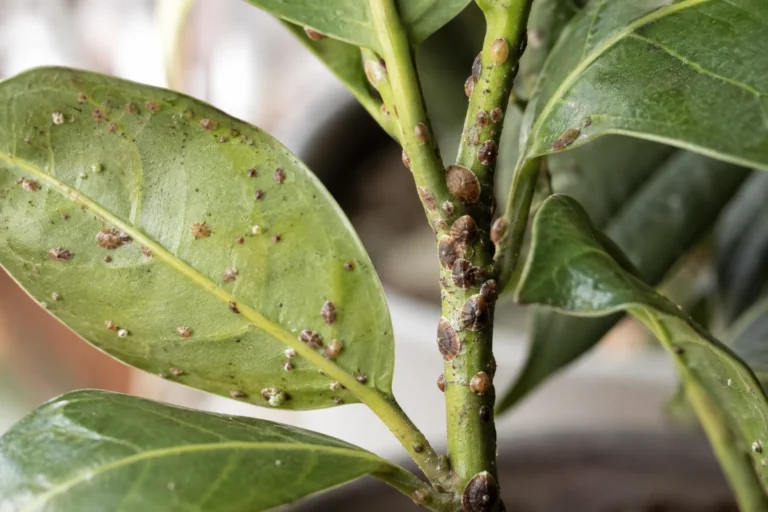
Scale insects look like small brown, tan, or waxy bumps attached to stems and leaves. Learn how to identify scale and distinguish it from dirt or plant tissue.
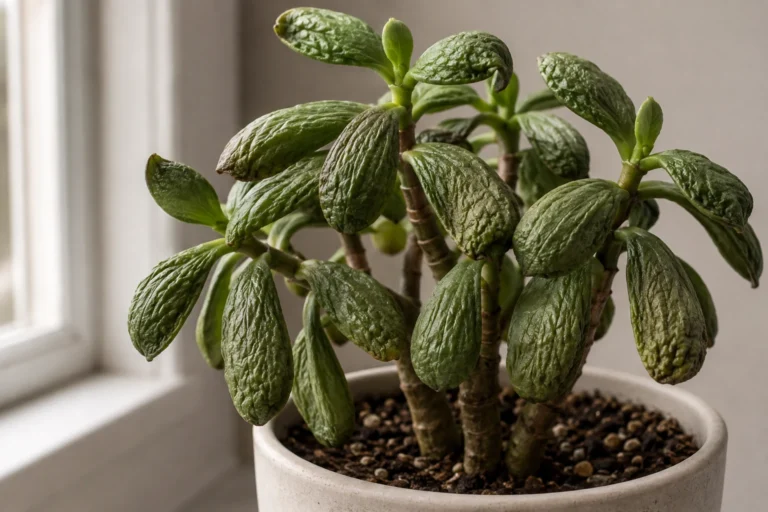
Wrinkled jade leaves usually signal dehydration, but root problems can prevent a wet plant from taking up water. Learn how to diagnose the soil and roots first.
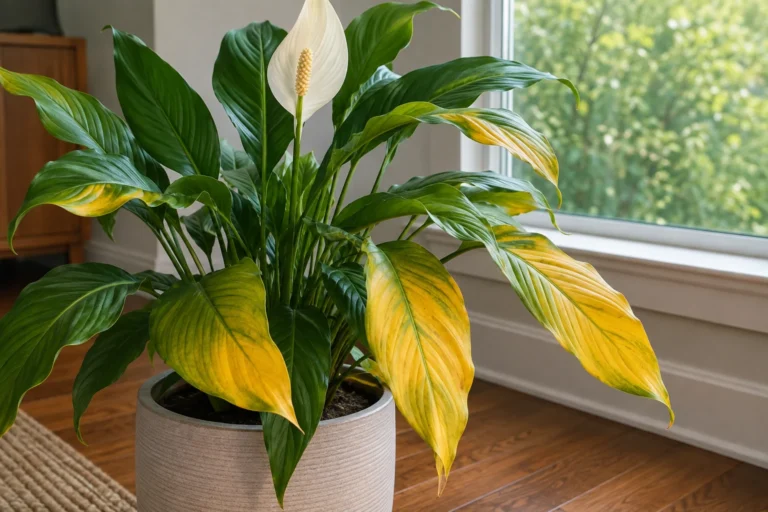
Yellow leaves, drooping in wet soil, and slow recovery can signal an overwatered peace lily. Learn the key signs and how to correct watering safely.
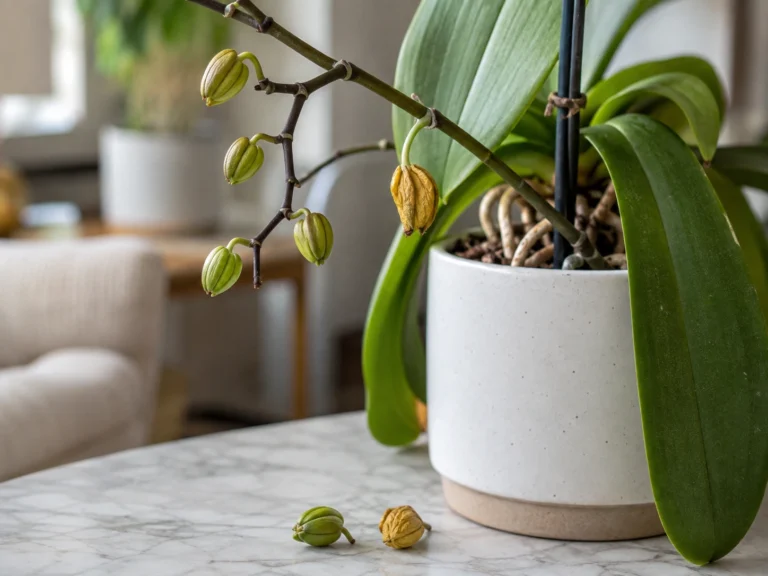
Orchids need thorough watering followed by drying time. Learn how potting mix, light, temperature, and pot type change the right watering schedule.
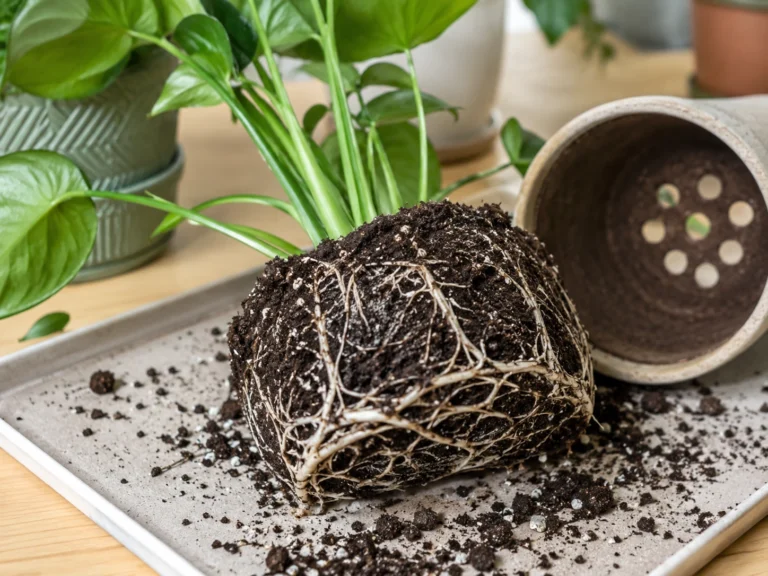
Learn the common signs of a root bound houseplant, how to check the roots safely, and when it is time to repot into a slightly larger container.
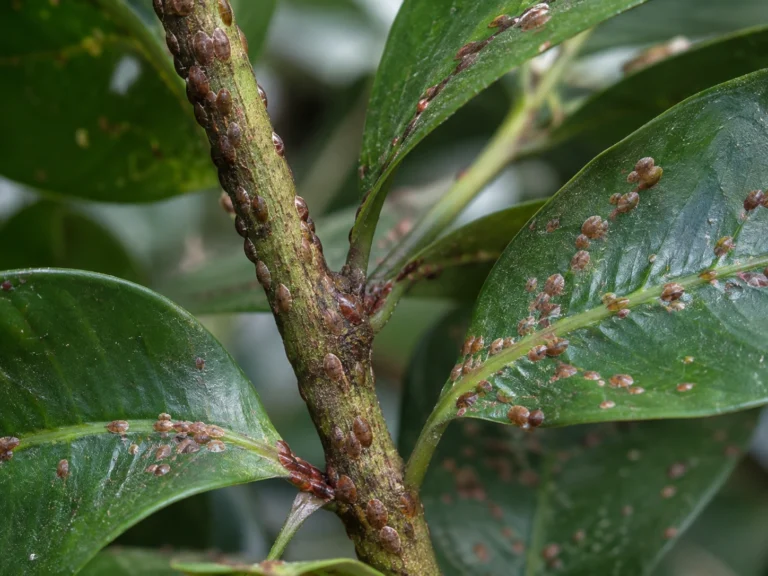
Brown bumps on leaves and stems are often scale insects. Learn how to identify them, remove them safely, and stop them from spreading on houseplants.