Watering Cucumbers: Build an Interval Around Soil and Weather
Cucumber watering frequency changes as vines grow, heat rises, and fruit production increases. Set the next irrigation by root-zone moisture rather than using the same interval for a seedling and a fruiting vine.
Measure What Your Irrigation Delivers
An emitter running for a fixed time does not automatically wet the whole root zone. Check soil after irrigation and compare areas inside and outside the wetted patch. Container runoff also needs interpretation: immediate channeling can leave the center dry.
Build a Watering Routine Around the Soil
| What you see | Most likely clue | What to check next |
|---|---|---|
| Soil dry several inches down | Water is needed | Soak the root zone deeply |
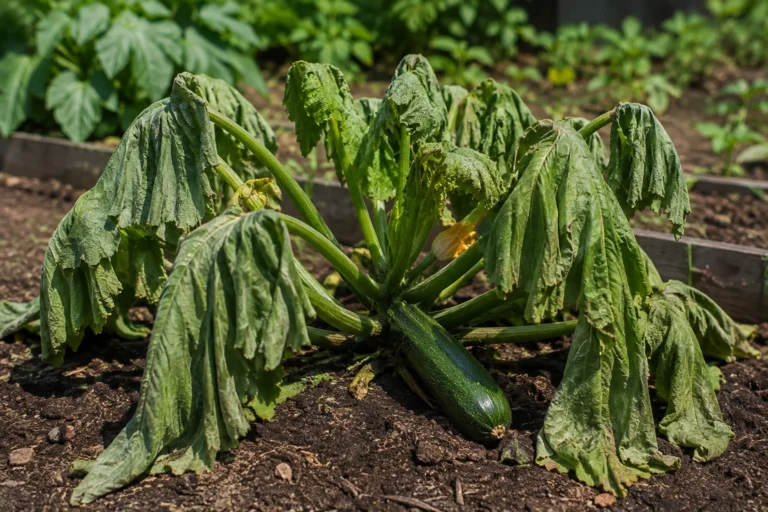
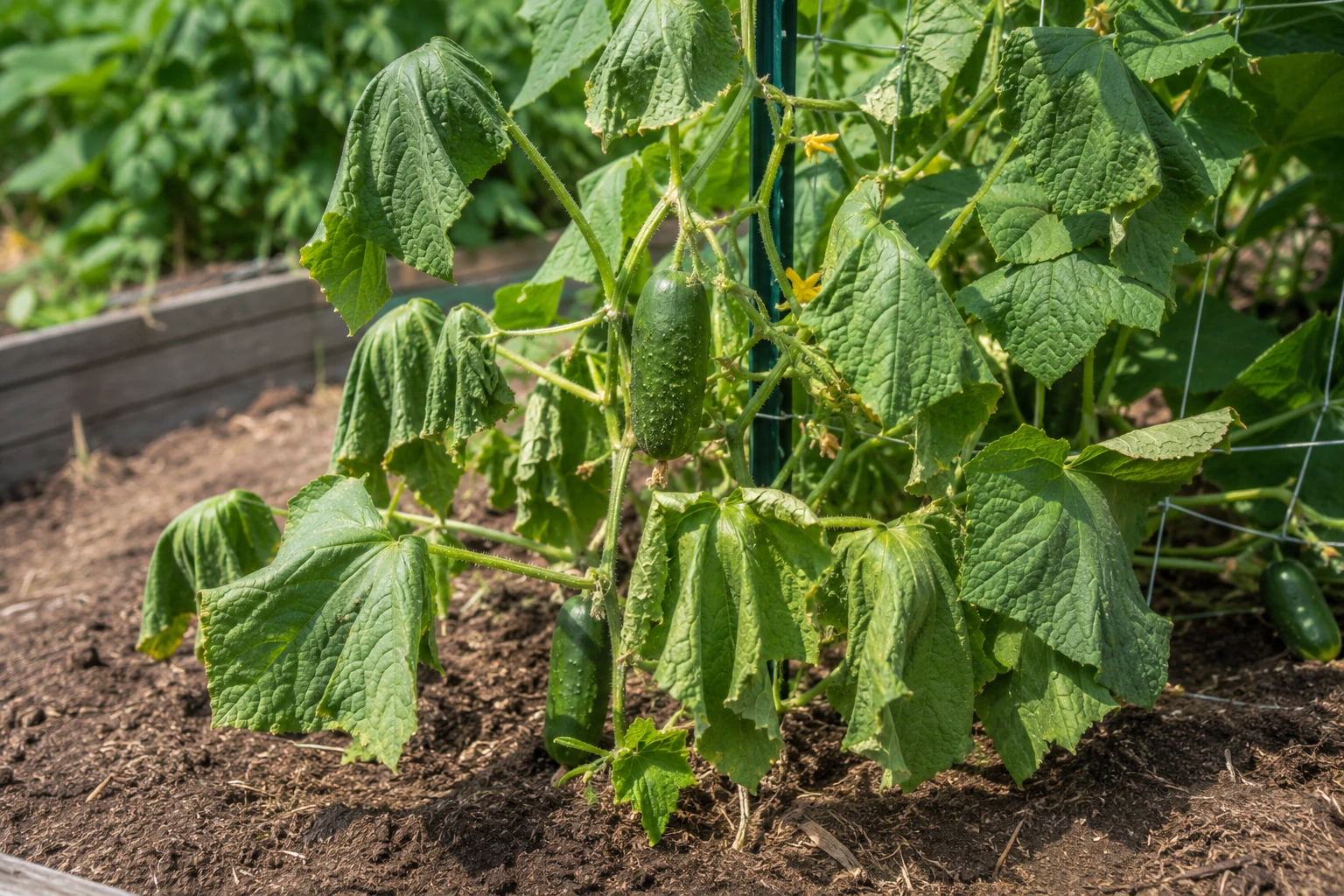
| Midday wilt but evening recovery | Heat stress possible | Recheck before watering |
| Soil remains soggy | Too much irrigation | Extend time between waterings |
| Bitter or misshapen fruit during dry spells | Moisture stress | Increase consistency |
How much is enough?
A slow, deep soaking is more useful than a quick surface splash. Water should penetrate the active root zone rather than only wetting the top layer.
Water in the morning when possible
Morning irrigation gives cucumbers access to moisture before daytime heat. Applying water at the base also helps keep foliage dry and reduces the spread of some leaf diseases.
Adjust for weather and soil
Sandy soil dries faster than clay-rich soil. Containers and raised beds may dry faster than in-ground beds. During heat waves, check more frequently rather than blindly increasing irrigation.
Mulch helps
Organic mulch reduces evaporation and keeps soil temperature more stable, making moisture easier to manage.
Adjust After Rain, Not Just Heat
A brief shower may wet mulch without reaching roots, while prolonged rain can leave dense soil saturated. Inspect before restarting automatic irrigation. Mulch can reduce evaporation, but it does not make a blocked dripper or poorly draining bed safe to ignore.
Fruit development increases a cucumber vine’s demand, so a routine that worked before flowering may become insufficient during hot harvest weather. Increase inspection frequency rather than automatically doubling irrigation. A trellised vine has accessible foliage, but roots still need a sufficiently wetted soil volume. Check whether a single emitter covers that volume as the plant expands.