Why Are My Cucumber Leaves Turning Yellow?
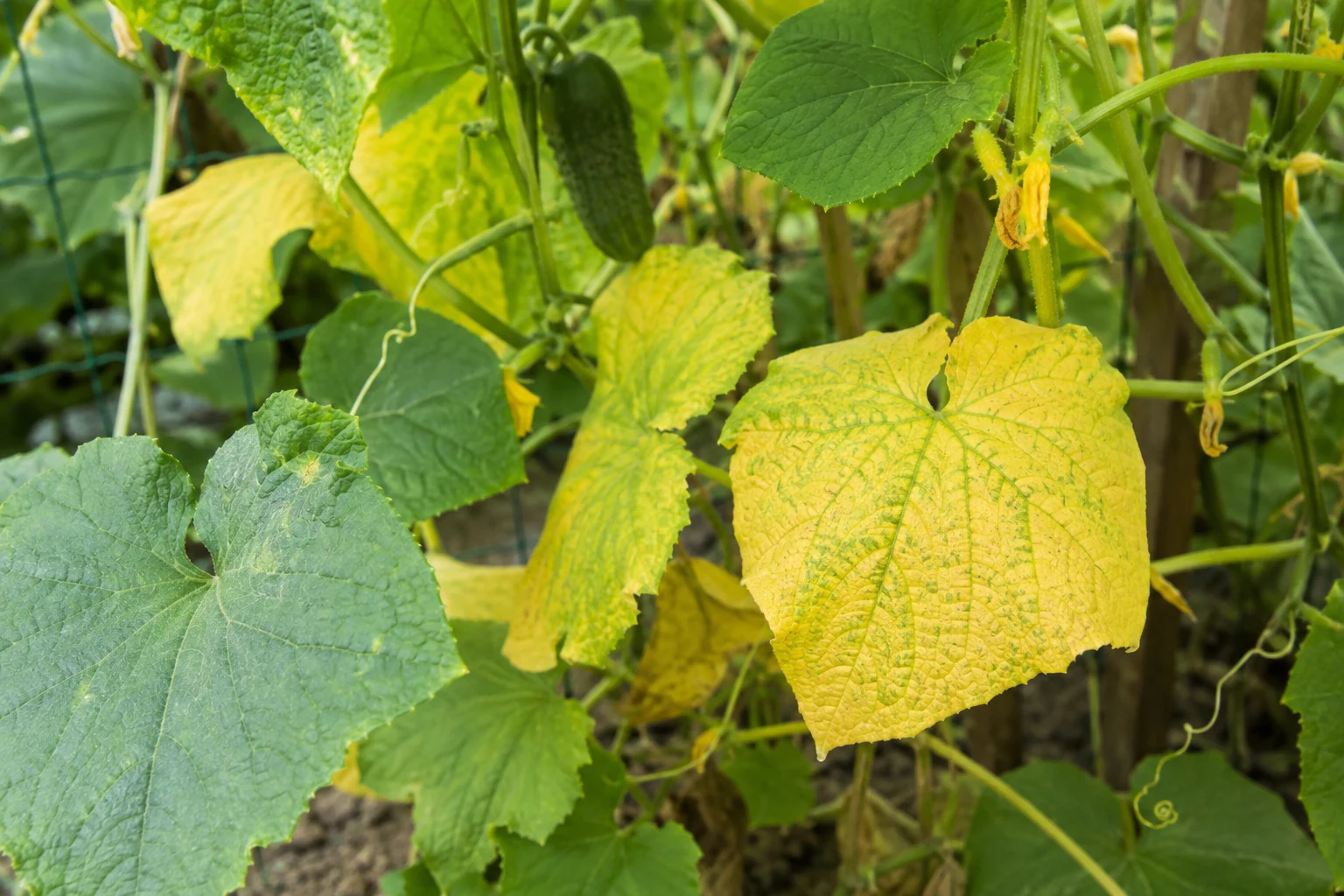
Large cucumber leaves reveal stress in several patterns: uniform fading, tiny pale stipples, or angular patches bordered by veins. Inspect both surfaces before deciding that every yellow leaf needs fertilizer.
Turn Over an Angular Yellow Patch
Downy mildew can produce angular yellow areas above and darker sporulation below under favorable conditions. Other leaf diseases can overlap visually, so use local confirmation before treatment. Mite damage tends to appear as many tiny specks rather than a few large angular lesions.
| What you see | Most likely clue | What to check next |
|---|---|---|
| Oldest shaded leaves yellow only | Normal aging possible | Check new growth and vine vigor |
| Overall pale vine, old leaves yellow first | Nitrogen stress possible | Review fertility and soil test |
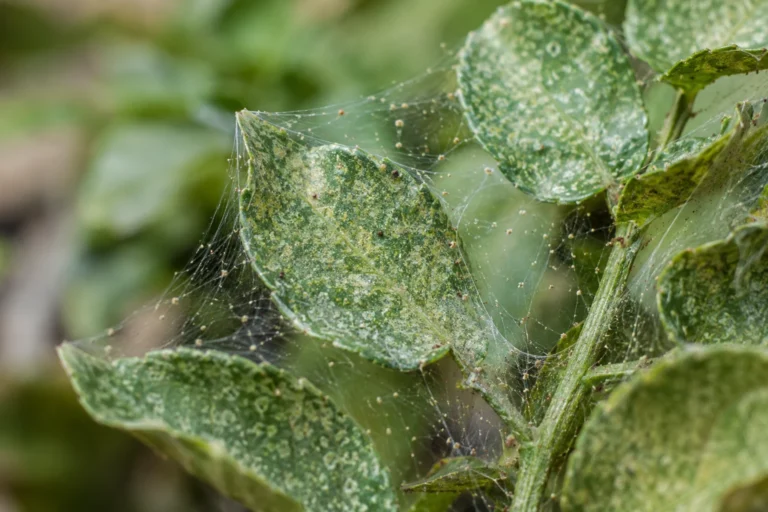
| Fine yellow stippling | Spider mites | Inspect undersides for mites/webbing |
| Angular yellow spots between veins | Downy mildew possible | Check undersides in humid weather |
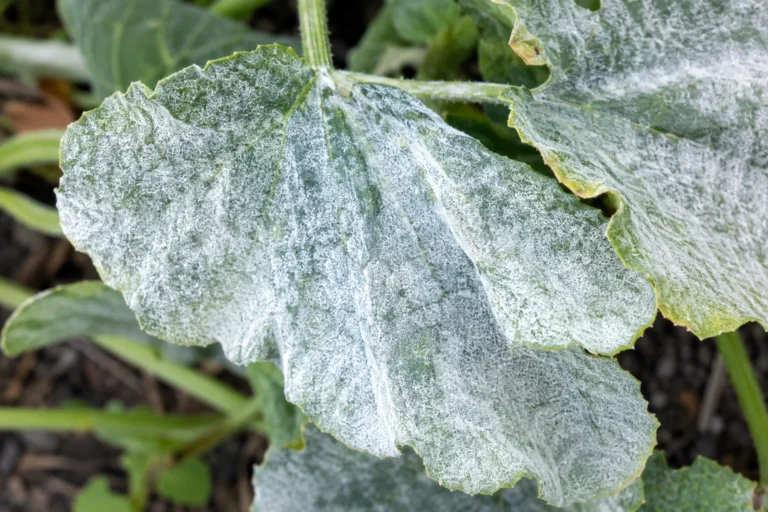
| Yellow areas + white powder | Powdery mildew | Confirm powdery growth |
| Mosaic yellow-green pattern + distortion | Virus possible | Inspect fruit and whole-plant growth |
Older Leaves Are Aging
A few of the oldest shaded leaves may yellow naturally as vines expand. Remove leaves that are fully yellow or diseased, but widespread yellowing across the vine indicates stress.
Nitrogen Deficiency
Nitrogen-deficient cucumbers may become pale overall, with older leaves yellowing first and growth slowing. Because cucumbers are heavy feeders, fertility matters—but a soil test is still better than guessing.
Overwatering or Root Stress
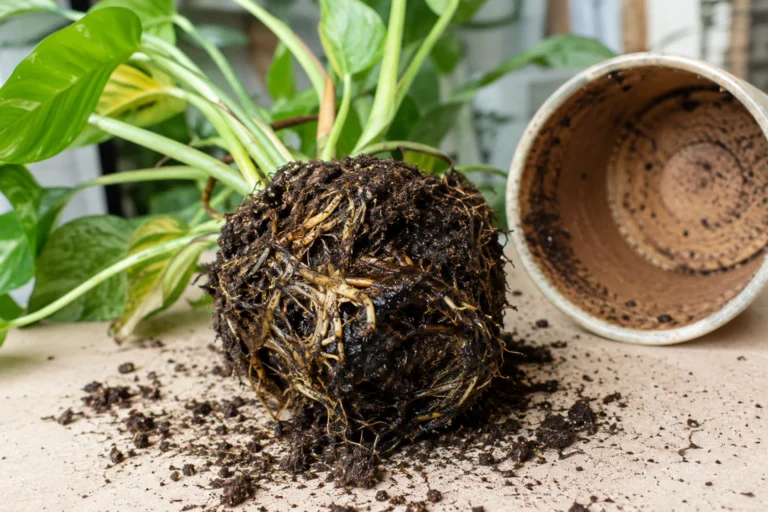
Constantly saturated soil can produce yellow foliage and weak vines. Check drainage and let the upper root zone breathe between irrigations while avoiding severe drought.
Spider Mites
Mite feeding creates pale stippling that can merge into yellow or bronzed areas. Hot, dry weather favors mites. Look on leaf undersides for tiny moving dots and fine webbing.
Aphids
Aphids can yellow and wilt leaves when populations are high, and they can transmit viruses. Check undersides and growing tips for small soft-bodied insects and sticky honeydew.
Powdery or Downy Mildew
Powdery mildew begins as pale or yellow areas followed by obvious white-gray powdery growth. Downy mildew often creates angular yellow spots bounded by veins, with gray-purple growth on the leaf underside in humid conditions. These diseases require different management, so identify the pattern before treating.
Virus
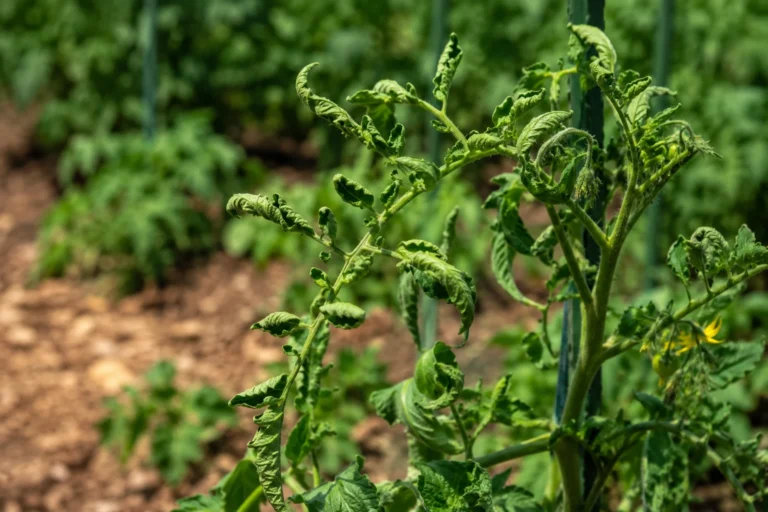
Mosaic viruses can cause irregular light and dark green/yellow patterns, distortion, stunting, and malformed fruit. Viruses cannot be cured once a plant is infected. Remove badly affected plants and manage insect vectors.
Cold Stress
Cold, wet conditions can discolor cucumber leaves and slow roots dramatically. Cucumbers prefer warm soil; early-season chilling can produce temporary or permanent injury depending on severity.
How to Fix Yellow Cucumber Leaves
- Identify whether the oldest or newest leaves are affected first.
- Check root-zone moisture and drainage.
- Inspect leaf undersides for mites and aphids.
- Look for powdery growth or angular lesions.
- Check for mosaic patterns and distorted fruit.
- Remove heavily diseased leaves and keep foliage dry when practical.
- Use soil-test guidance before adding fertilizer.
Keep a Productive Canopy Intact
Remove badly diseased leaves selectively, but retain healthy foliage that powers the vine and shelters fruit. An aging lower leaf is less concerning when tips remain vigorous. Continued yellowing of new leaves deserves a fresh check of roots, pests, and soil conditions.