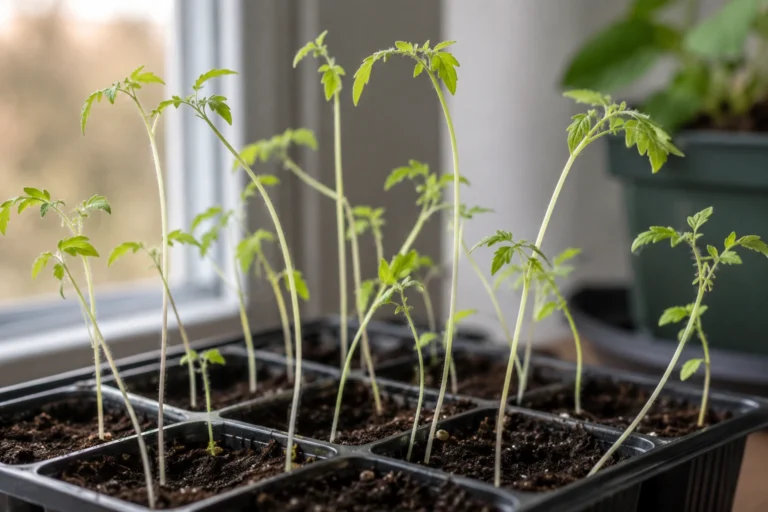
Why Do My Tomato Seedlings Have White Spots?
White marks on young tomatoes can sit on the leaf surface or represent damaged tissue itself. A gentle wipe and close underside inspection help separate residue from injury before a seedling tray is treated.
Use a Damp Cloth on One Small Mark
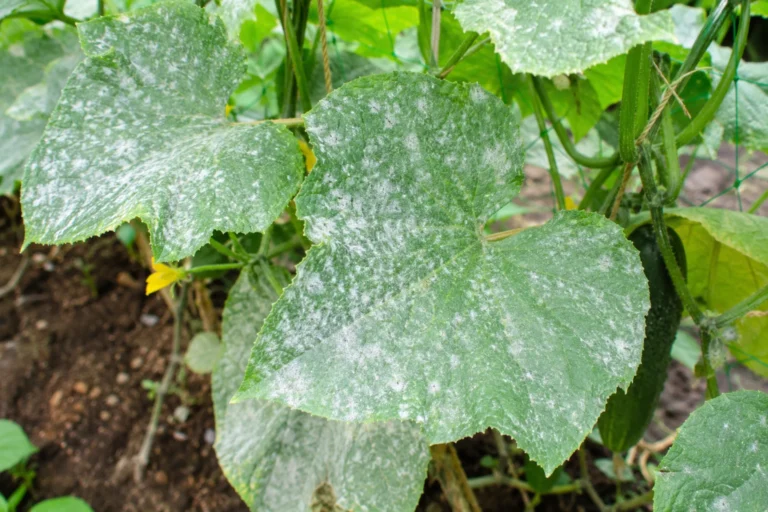
Dried mineral or spray deposits may lift away, whereas bleached leaf tissue remains pale. Raised corky areas can suggest edema when uptake exceeds water loss. Do not scrub entire tender leaves; a small test provides evidence without adding physical damage. Compare whether the marks appeared after foliar treatment or a move to stronger sun.
| What you notice | Likely cause | What to do |
|---|---|---|
| Chalky film on leaves | Mineral residue | Wipe leaves and avoid overhead watering with hard water |
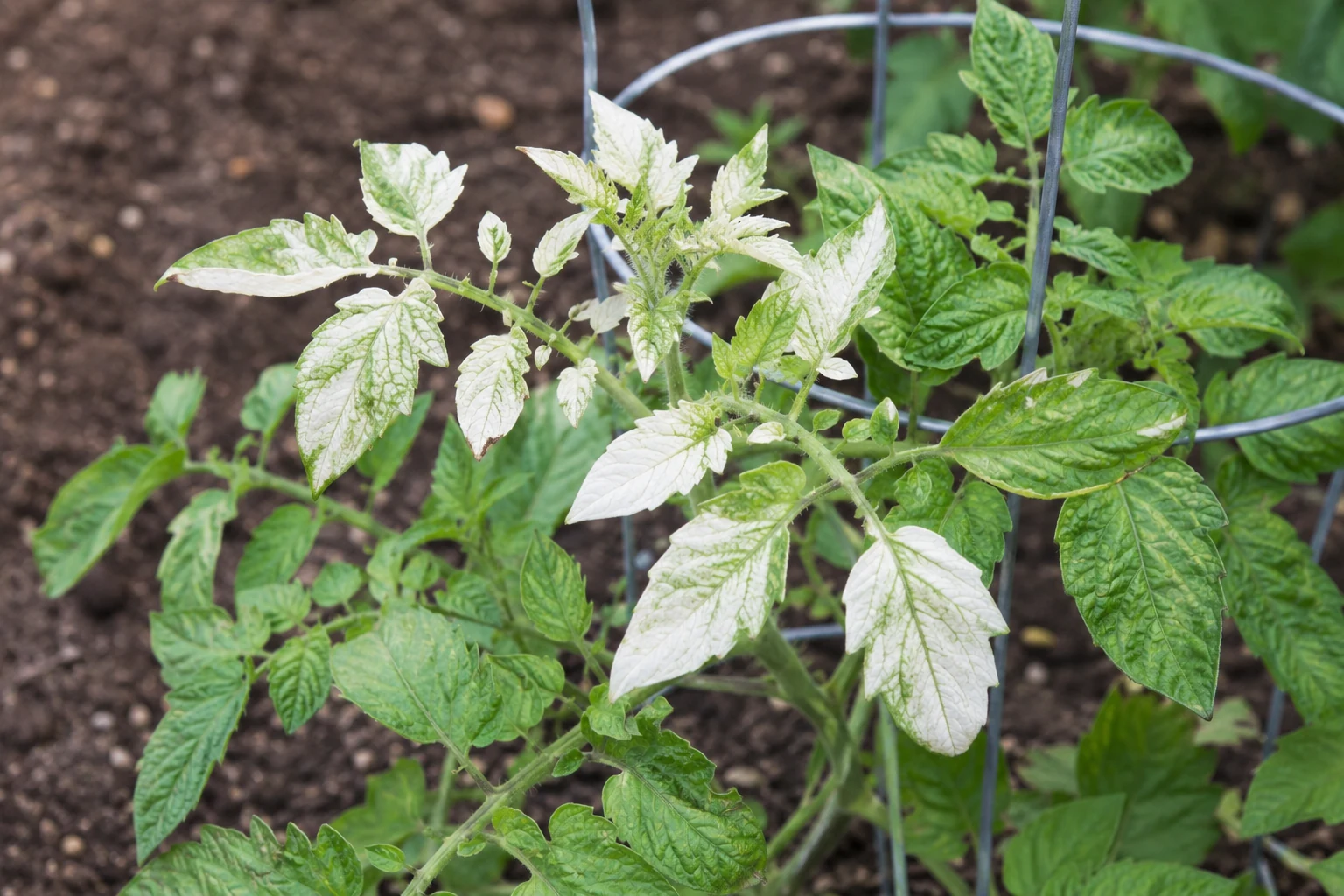
| Blanched patches after moving seedlings outdoors | Sunscald | Harden off gradually and protect from midday sun |
| Tiny corky white bumps | Edema | Reduce overwatering and improve airflow |
| Fine speckling with webbing or insects | Pests | Inspect undersides and isolate affected seedlings |
Check how the spots feel
Residue usually wipes away. Sunscald leaves pale tissue behind. Edema feels raised or corky, while pest damage usually looks stippled and uneven.
Think about recent changes
If the seedlings were recently moved into stronger light, exposed to cold, or watered heavily, the timing often explains the symptoms.
Inspect the undersides
Mites and other tiny pests often feed underneath leaves. A quick magnified inspection can save you from guessing.
Support recovery
Give seedlings bright but appropriate light, even moisture, and steady airflow. Healthy new growth matters more than old cosmetic damage.
Match White Tissue to the Exposure Pattern
Sun injury is often worst on leaves facing a new exposure, while pest feeding can leave many tiny irregular specks. Check adjacent seedlings under the same conditions and use magnification to look for active insects or mites. Keep light suitable rather than moving all plants into darkness, and monitor newly expanded leaves. If new spots continue despite correcting exposure and moisture, seek diagnostic help before using a pesticide.