Brown Bumps on a Houseplant: Scale or Normal Stem Tissue?
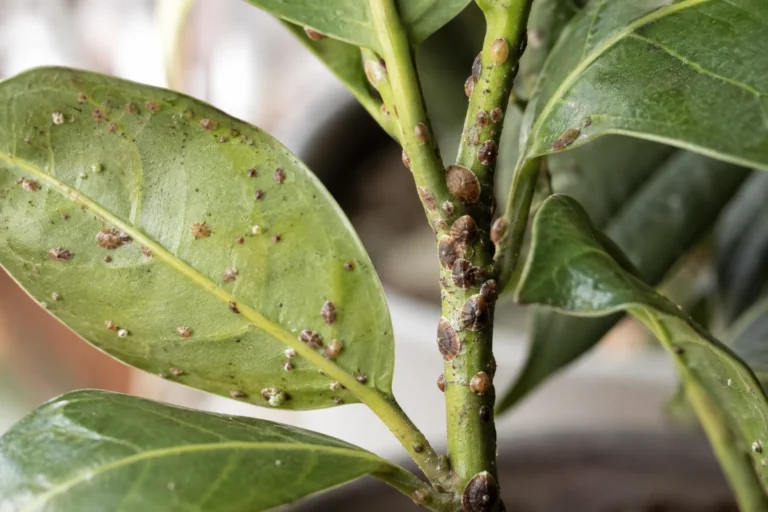
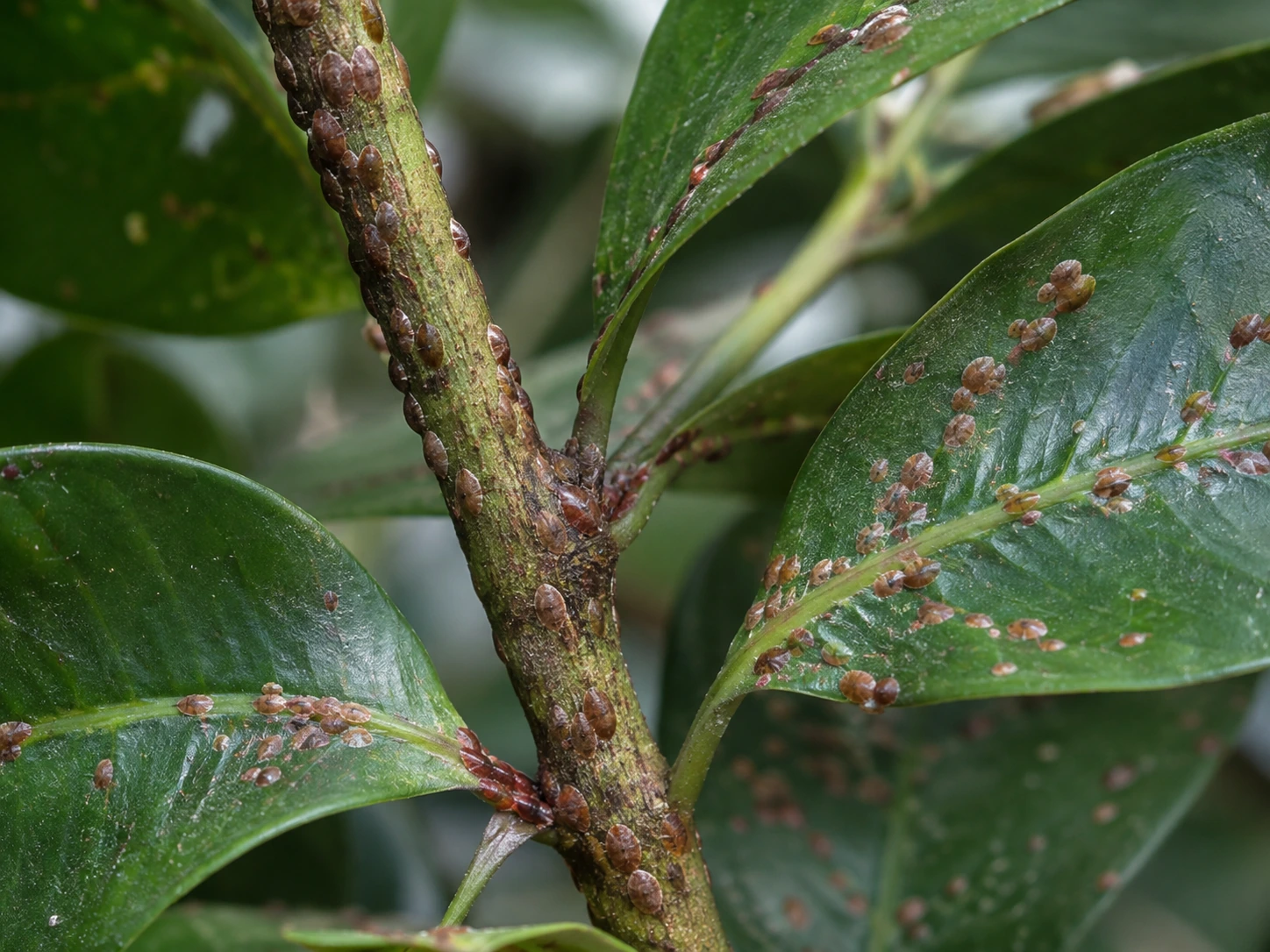
Not every brown bump is an insect. Corky stems, leaf scars, aerial-root beginnings, and scale coverings can look similar until you compare their placement and whether they lift away.
Compare Bumps With Healthy Stem Features
Regular scars at old leaf positions and continuous corking are part of plant tissue. Scale often appears as separate attached bodies along veins or stems. Lift a single suspicious bump gently with a swab or fingernail, stopping if the underlying tissue tears.
How to Tell if It Is Scale
| What you see | Likely answer | What to do next |
|---|---|---|
| Brown bumps attached firmly | Scale likely | Inspect stems, veins, and leaf undersides |
| Sticky honeydew | Sap-feeding pest present | Check nearby surfaces and other plants |
| Yellowing or stunted growth | Ongoing pest feeding | Start control promptly |
| Bumps wipe away easily | Probably dirt or debris | Clean and recheck later |
Isolate the plant
Move the affected plant away from the rest of your collection. Scale can spread slowly but steadily, especially when plants touch.
Remove what you can
Use a cotton swab or soft cloth to gently lift or wipe scale from stems and leaves. A light touch is enough—do not tear the tissue.
Repeat treatments
One cleanup is rarely enough. Inspect weekly and repeat as needed until you no longer find fresh pests.
Monitor nearby plants
Check surrounding houseplants for similar bumps or sticky residue. Early catches are much easier to control.
Use Stickiness as Supporting Evidence
Honeydew strengthens a soft-scale suspicion, but spills and plant secretions can also be sticky. Armored scale may leave no honeydew at all. Confirm the insect before applying control, then examine neighboring plants rather than treating every natural bump in the collection.
Take a close photograph before removing many bumps. Their arrangement along a vein, around a leaf scar, or across continuous stem bark helps distinguish insects from the plant’s own structures. A cotton swab can reveal one suspicious attachment point without aggressive scraping. If the finding is uncertain, an identification photo is more useful than beginning a whole-collection pesticide treatment.