Aphids on Plants: Remove Colonies Without Losing Their Predators
Aphid control starts with the soft shoots where colonies feed, rather than a blanket spray over the whole garden. Check for living aphids, shed skins, ants, and beneficial insects before choosing the next step.
| What you see | Most likely clue | What to check next |
|---|---|---|
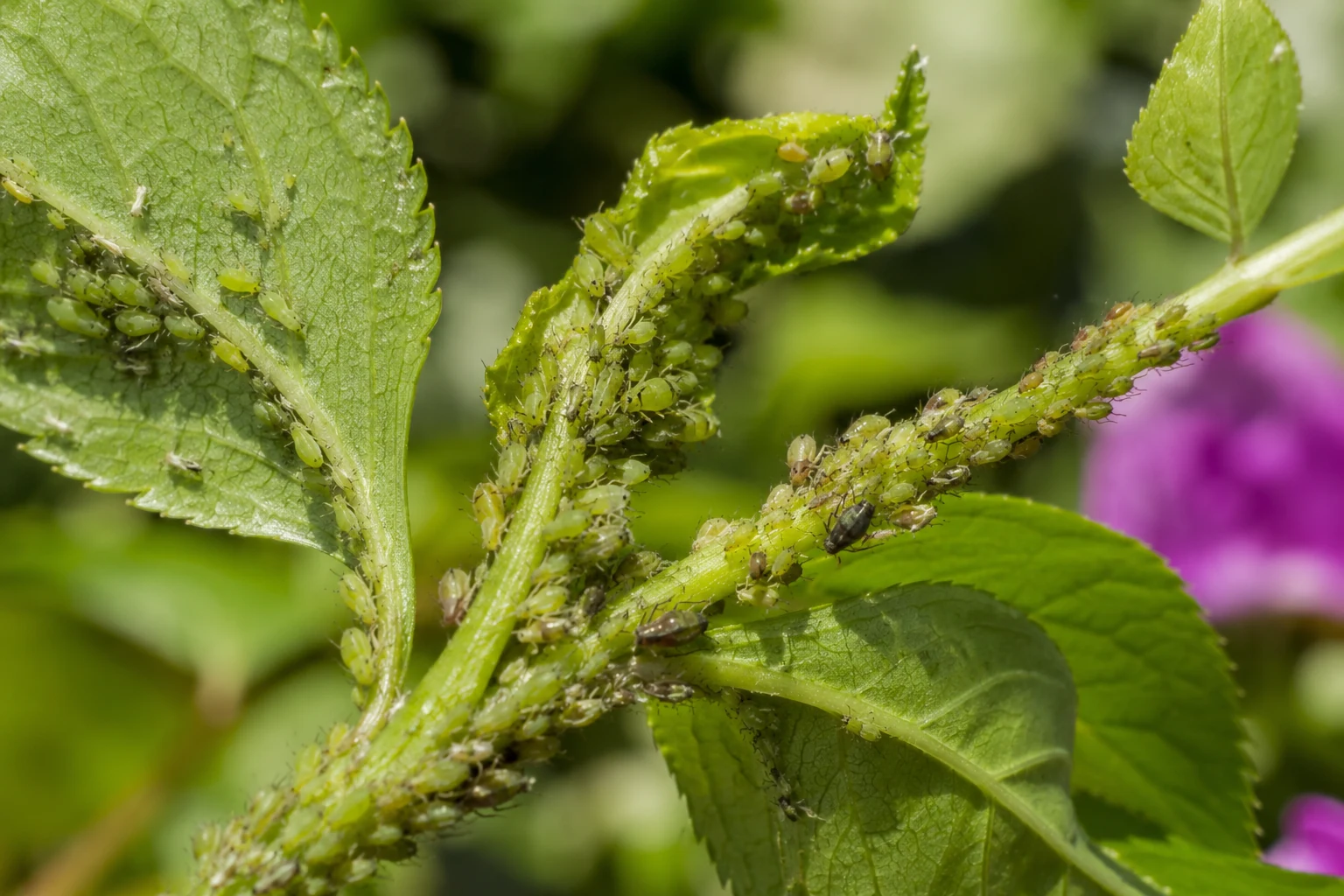
| Clusters on new shoots | Aphids | Rinse or wipe off colonies |
| Sticky leaves | Honeydew from sap-feeders | Inspect leaf undersides and stems |
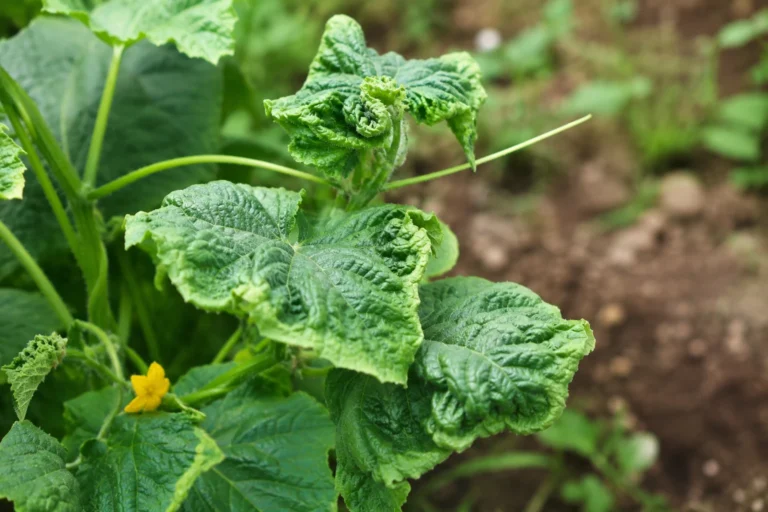
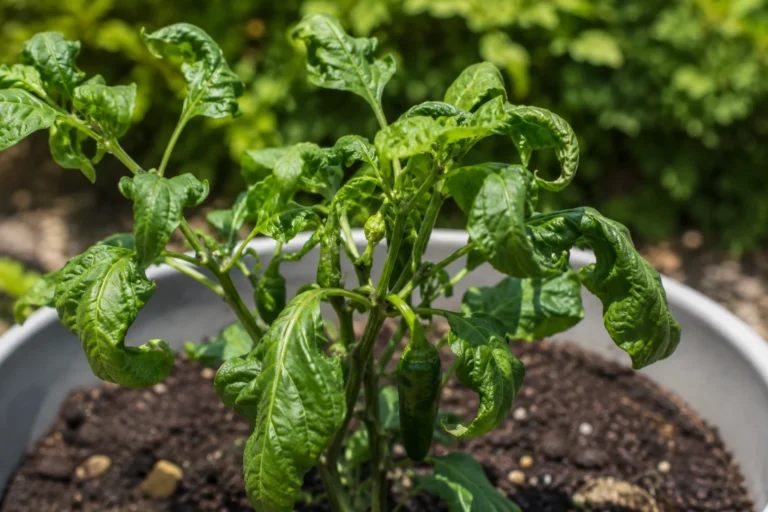
| Curled distorted new growth | Heavy feeding | Reduce population promptly |
| Many lady beetles or lacewings nearby | Natural enemies active | Delay broad-spectrum sprays |
Confirm the pest
Aphids are usually pear-shaped and may be green, black, gray, pink, or other colors. Look for colonies on soft growth, sticky honeydew, white shed skins, and sometimes ants feeding on honeydew.
Ant Activity Can Explain Returning Colonies
Ants collect honeydew and may interfere with aphid predators. Follow trails to infested shoots and manage access using methods suitable for the site. Outdoors, swollen tan aphid mummies and predator larvae are reasons to assess natural control before applying an insecticide.
Step 1: Knock them off
For sturdy plants, a strong stream of plain water can remove a surprising number of aphids. Repeat as needed and aim at stems and leaf undersides.
Step 2: Remove heavily infested growth
Pinch or prune a badly infested shoot when doing so will not damage the plant. Bag or discard the removed material away from susceptible plants.
Step 3: Protect beneficial insects
Lady beetles, lacewing larvae, hoverfly larvae, parasitoid wasps, and other predators can suppress aphids outdoors. Avoid broad-spectrum insecticides that kill these allies along with the pest.
Step 4: Use a labeled low-toxicity product when necessary
If physical controls are not enough, insecticidal soap or horticultural oil may help when the product is labeled for the plant and pest. Thorough coverage is important. Follow the label, avoid applying to heat-stressed plants, and avoid spraying open flowers when pollinators are active.
Prevent repeat outbreaks
Avoid excessive nitrogen fertilization, which can produce lush tender growth aphids prefer. Inspect new growth weekly so colonies are handled while they are still small.
Distorted Leaves Do Not Measure Current Numbers
A leaf can remain curled after aphids have gone. Inspect fresh shoot tips for living colonies and compare them over several checks. If a labeled soap is needed, direct coverage at the insects; homemade dish-detergent mixtures can injure plants and are not equivalent to formulated insecticidal soap.
Will aphids kill my plant?
Most established plants tolerate light aphid feeding. Heavy infestations can distort growth, weaken small plants, and some aphid species can spread plant viruses.
Does dish soap kill aphids?
Household soaps are not formulated as plant pesticides and can injure foliage. Use a product labeled as insecticidal soap if treatment is needed.