Green Tomatoes That Will Not Ripen: Maturity, Heat, and Variety
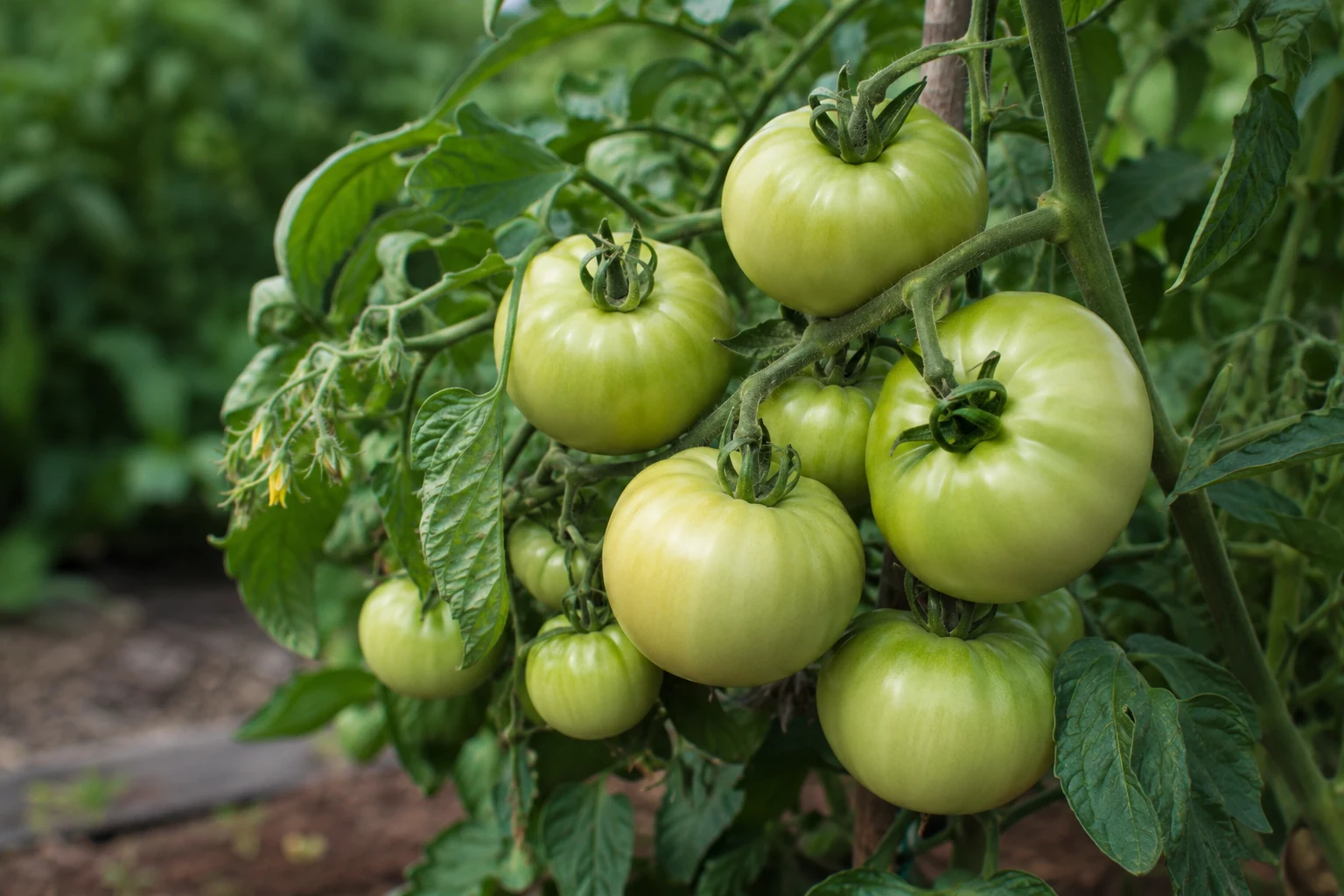
A full-sized green tomato may still be immature, or it may be waiting for temperatures that support color development. Confirm the cultivar’s ripe color before trying to force every fruit to turn red.
Follow One Fruit Through Its Color Break
Mark a representative fruit and watch for the first pale or colored patch. The breaker stage is a clearer ripening milestone than size alone. Compare it with smaller fruit on the same cluster, and consider whether several days of heat coincide with stalled color.
| What you see | Most likely clue | What to check next |
|---|---|---|
| Fruit still hard, dark green, enlarging | Not mature yet | Give it more time |
| Full-size fruit stalls during heat | High temperature | Wait for cooler conditions |
| Huge leafy plant, slow fruit development | Excess nitrogen possible | Stop high-N feeding and review soil fertility |
| Late season + frost approaching | Insufficient season length | Harvest mature-green/breaker fruit indoors |
| Fruit soft but not red | Variety may ripen another color | Confirm cultivar |
The Fruit Is Not Mature Yet
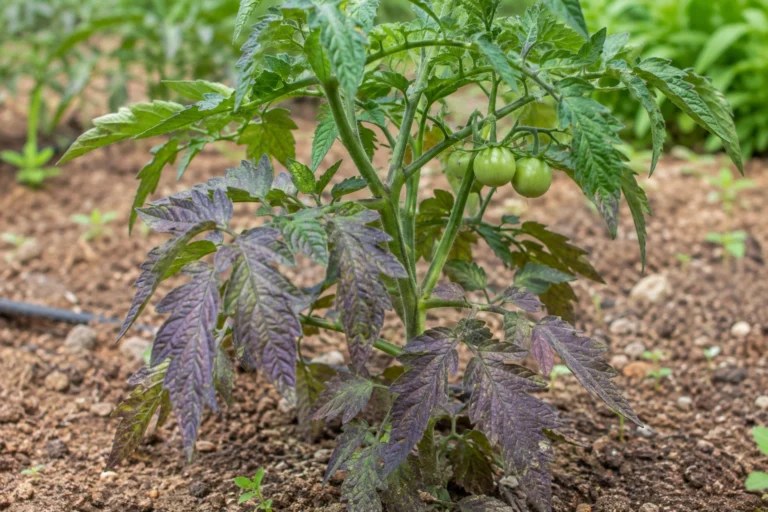
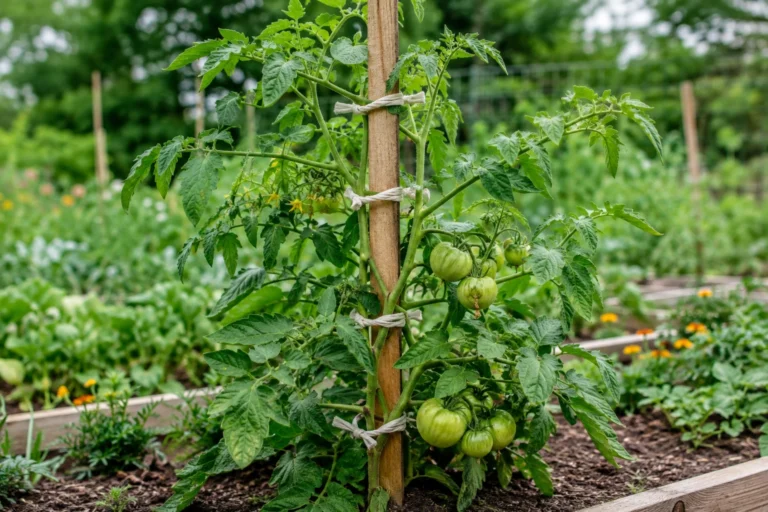
Tomatoes enlarge before they enter the final ripening stages. A fruit that is still hard, dark green, and rapidly increasing in size may simply need more time. Larger varieties generally take longer than cherry types.
Temperatures Are Too High
Tomato color development slows in sustained heat. Extension guidance notes that the pigments responsible for red color are not produced normally above roughly 85°F. When nights cool, ripening often resumes without any intervention.
Heavy Fruit Load
A heavily loaded plant is dividing resources among many fruits. Ripening may look slow even though the plant is functioning normally. Avoid drastic pruning or fertilizer changes in an attempt to force color.
Excess Nitrogen
Very lush vegetative growth can delay reproductive development. If plants are oversized, dark green, and continually producing leaves, review whether high-nitrogen feeding has been excessive.
Late-Season Weather
Shorter days and cooler temperatures slow overall growth. If frost is approaching and tomatoes have reached the mature-green or breaker stage, they can finish ripening indoors.
Variety Color Is Different Than Expected
Not every ripe tomato is red. Yellow, orange, pink, purple, striped, and green-when-ripe cultivars can confuse gardeners who are waiting for a color change that will never occur. Confirm the variety and use softness, flavor, and the expected mature color as your guide.
How to Help Tomatoes Ripen
- Be patient if fruit is still enlarging and weather is normal.
- During extreme heat, maintain steady irrigation and wait for cooler nights.
- Do not strip off large amounts of foliage; leaves protect fruit from sunscald.
- Stop excessive high-nitrogen feeding.
- Near frost, harvest mature-green or breaker-stage fruit and ripen it at room temperature.
- Keep harvested tomatoes out of the refrigerator until ripe if your goal is continued ripening.
Keep Shade Leaves Around the Fruit
Exposing fruit to intense sunshine does not reliably speed ripening and can cause sunscald. If frost approaches, bring suitable mature fruit indoors and inspect it regularly for decay. A badly immature fruit may not develop the flavor or color of one harvested near its natural ripening stage.