Why Are My Pepper Leaves Curling?
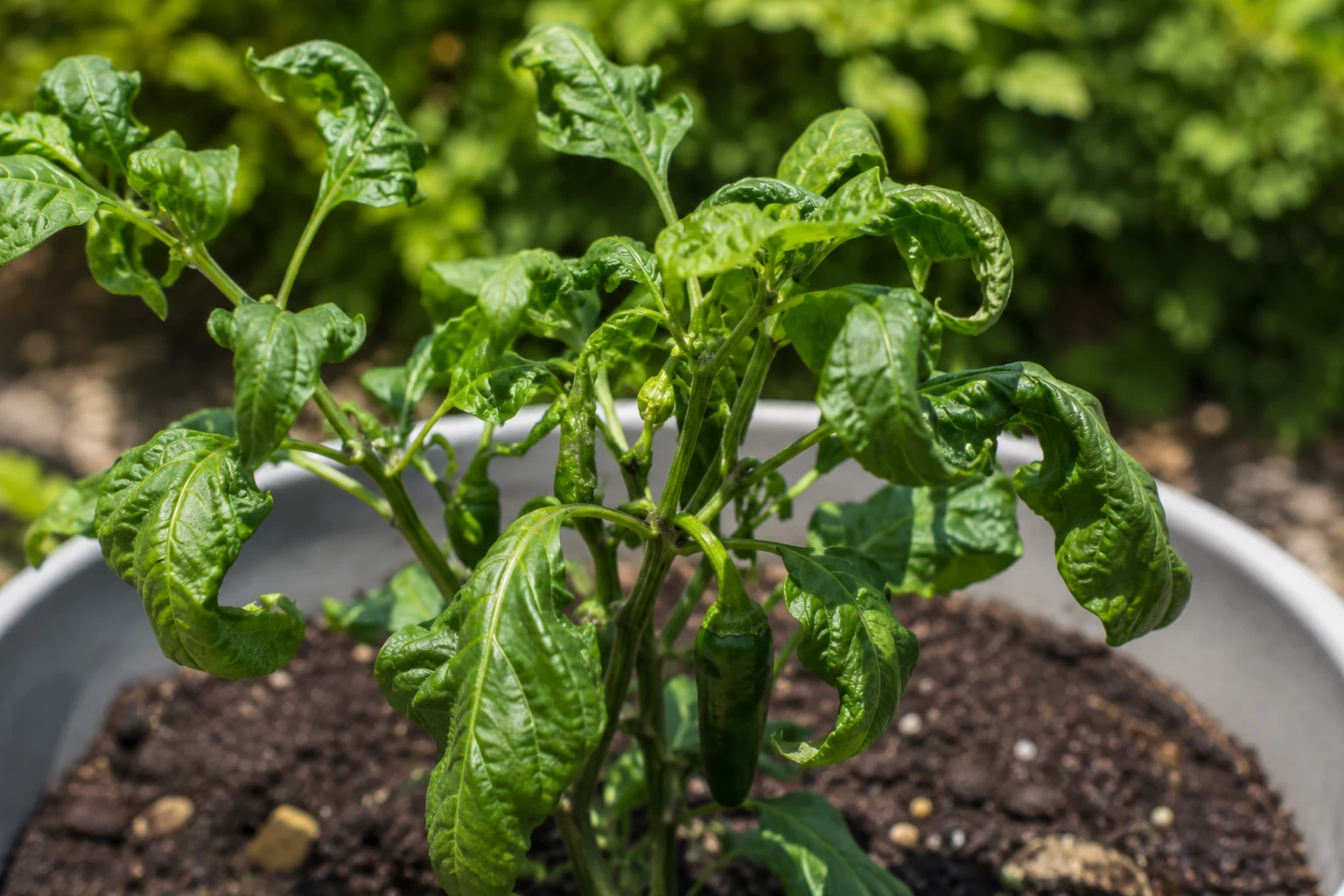
The texture of a curled pepper leaf can be more informative than its shape. Smooth green leaves folded in afternoon heat differ from scarred leaves, sticky shoot tips, or severely twisted new growth.
Look Inside the Fold
Unfold a leaf gently and inspect its underside with a hand lens. Aphid colonies, mite stippling, and silvery thrips scars leave different evidence. Empty folds with healthy new growth may reflect weather stress instead. Do not spray solely because the leaves have curled.
| What you see | Most likely clue | What to check next |
|---|---|---|
| Green leaves curl during heat | Heat/water stress | Check root-zone moisture |
| Curled tender leaves + sticky residue | Aphids | Inspect for colonies |
| Puckered leaves + silvery scars | Thrips | Inspect growing tips |
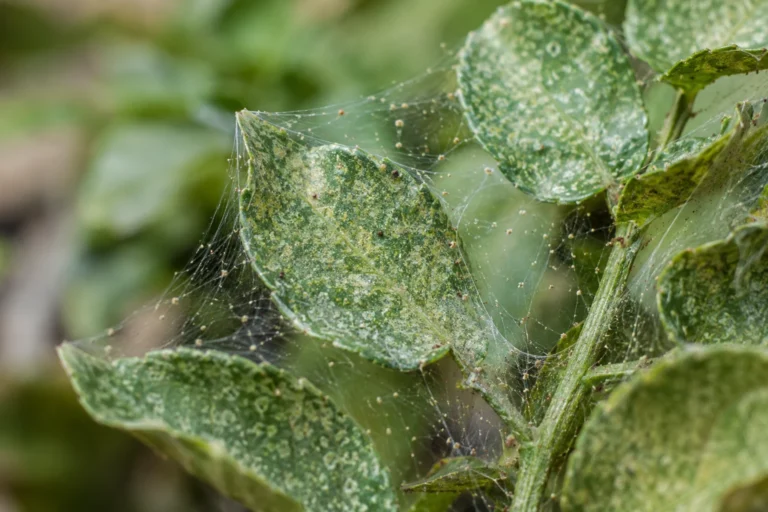
| Fine stippling + webbing | Spider mites | Check undersides with hand lens |
| Curl + mottling + stunting | Virus possible | Isolate and diagnose |
| Severe twisting after nearby spraying | Herbicide injury possible | Review chemical exposure |
Heat and Water Stress
Hot, windy weather can cause pepper leaves to fold or curl as the plant limits water loss. If the plant otherwise looks healthy, maintain even root-zone moisture and check whether new leaves flatten as conditions improve.
Aphids
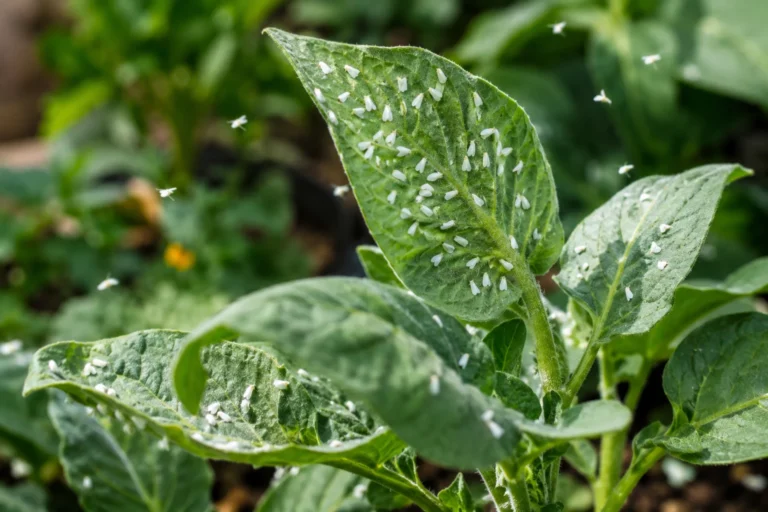
Aphids feed on soft growth and can cause curling or puckering when populations are high. Look for colonies under leaves, especially near new growth, and for sticky honeydew. Light infestations can often be reduced with water.
Thrips
Thrips feeding on expanding leaves can cause puckered, deformed growth with pale or silvery scarring. Because thrips can also transmit tomato spotted wilt virus, persistent distortion with mottling deserves careful inspection and local diagnosis.
Spider Mites
Mites thrive in hot, dry conditions. Early symptoms are fine pale stippling; severe infestations may include webbing and distorted leaves. Check the undersides with a hand lens.
Virus
Mosaic, rings, severe stunting, malformed leaves, and poor growth are more concerning for virus than simple heat curl. There is no curative spray for a virus-infected plant. Remove badly affected plants when diagnosis is likely and control vectors such as aphids or thrips.
Herbicide Injury
Unusual twisting, cupping, narrow leaves, and distorted new shoots after nearby lawn or field spraying can point to herbicide drift. Sensitive vegetables can also be injured by contaminated manure, compost, or grass clippings.
How to Fix Curling Pepper Leaves
- Check moisture several inches down.
- Inspect the newest leaves and undersides for insects.
- Look for stippling, silver scars, sticky honeydew, or webbing.
- Compare the plant with neighboring peppers for mottling or severe stunting.
- Review nearby herbicide use.
- Correct the identified cause and judge recovery by new leaves.
Compare Neighboring Plants After Spraying
A row of distorted plants near a treated lawn suggests an exposure pattern worth recording. Note wind direction and timing of nearby herbicide use. Damaged leaves may remain distorted; the next flush of growth is more useful for judging whether exposure has stopped.
Will curled pepper leaves recover?
Existing leaves may stay distorted, but the plant can recover from environmental stress or a controlled pest problem. Healthy new growth is the best sign.
Should I spray curled pepper leaves?
Not until you identify a pest or disease that requires a labeled treatment. Spraying cannot fix heat stress, overwatering, or herbicide injury.