Green Hydrangea Flowers: Normal Sepal Aging or a Variety Trait?
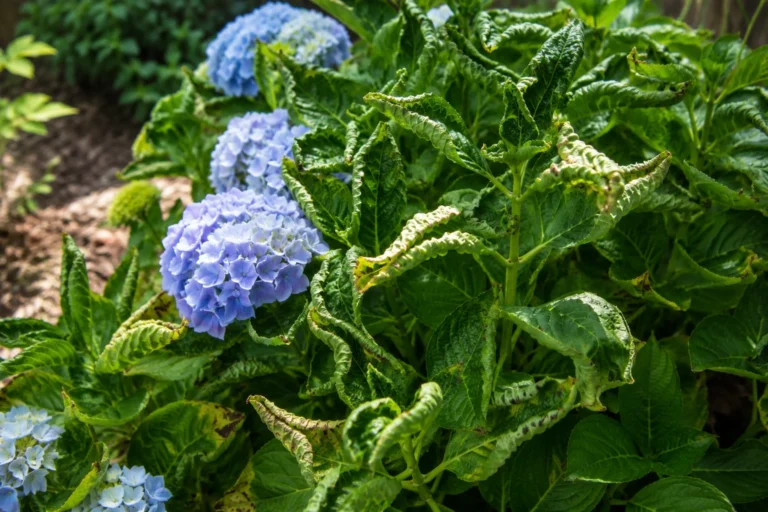
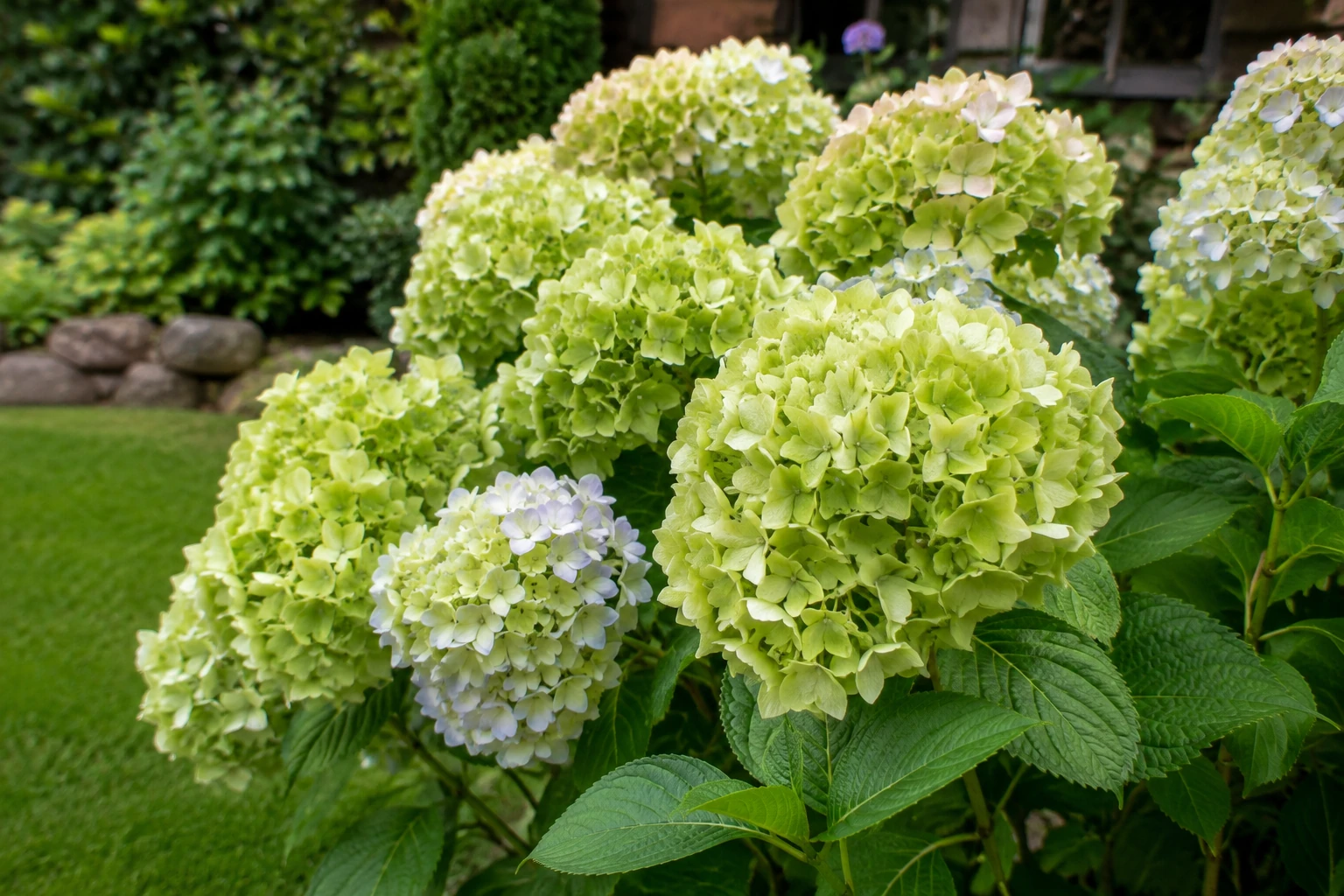
Hydrangea flower heads often pass through green stages as their showy sepals mature. A healthy shrub with changing bloom color does not automatically need soil acidifier or a nutrient correction.
Compare New and Older Flower Heads
If recent blooms show the expected color while older heads turn green, bloom age is a stronger explanation than a whole-plant deficiency. Some cultivars begin lime-colored and change later. Check the named variety and its typical seasonal sequence before adjusting soil chemistry.
Why Hydrangea Blooms Change Color
| Pattern | Likely explanation | Action |
|---|---|---|
| Older blooms turn green | Normal aging | Enjoy or deadhead later |
| Green from the start | Cultivar trait | No correction needed |
| Color shifts late in season | Seasonal change | Normal |
| Plant weak with poor blooms | General stress | Review light, water, and roots |
Aging flowers often become green
The showy parts of hydrangea blooms are modified sepals. As flowers mature, pigments can change and chlorophyll can become more visible, creating attractive green tones.
Some varieties are supposed to be green
Hydrangea cultivars differ widely in color. Lime-green blooms may be a normal genetic trait rather than a soil problem.
Soil pH does not explain every color
Soil chemistry affects the blue-to-pink range in some bigleaf hydrangeas, but green aging blooms are not usually corrected by simply changing soil pH.
Seasonal conditions influence appearance
Temperature, light, and bloom age can alter how strongly pigments show. Late-season blooms may look different from early-summer flowers on the same plant.
Soil pH Does Not Explain Every Shade
Pink-blue shifts in some bigleaf hydrangeas relate to soil chemistry and aluminum availability, but green aging sepals and white panicle flowers follow other patterns. Unnecessary acidification can create a soil problem without changing the appearance that prompted it.
Flower heads can show several colors at once because individual sepals mature at different rates. Compare a head over time rather than interpreting one patch of green as a deficiency. A healthy root system, normal leaves, and stable stems support a benign color transition. If the shrub itself declines, investigate that decline separately instead of using flower color as the only diagnostic clue.