Tomato Blossom Drop: Why Flowers Fall Without Setting Fruit
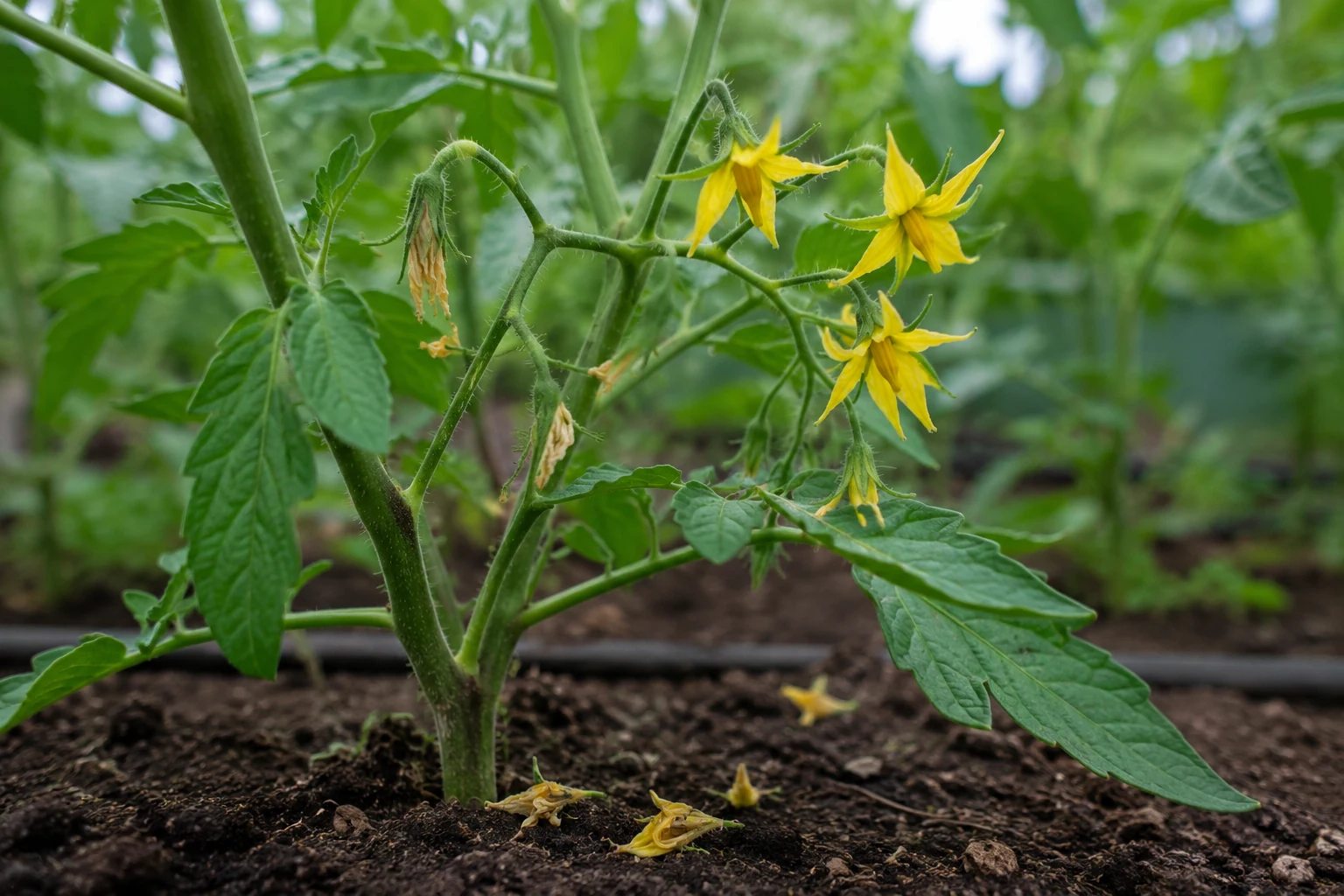
A fallen tomato blossom has missed its chance to become fruit, but later clusters may still set normally. The question is whether poor conditions affected a short flowering window or whether the plant remains under stress.
Match Flower Loss to Recent Nights
Record day and night conditions during flowering, not just the temperature when you notice fallen petals. Warm nights can interfere with fruit set even when the plant looks lush. Compare older fruit clusters with new ones: existing fruit and dropping fresh blossoms often indicate a recent environmental change.
| What you see | Most likely clue | What to check next |
|---|---|---|
| Flowers dry and drop during hot spell | Heat-related blossom drop | Track day/night temperatures and keep moisture even |
| Large dark-green plant, few fruits | Excess nitrogen possible | Review fertilizer program |
| Flowers open but no fruit in greenhouse | Poor pollen movement | Gently vibrate clusters; improve airflow |
| Drop after wilting/drought | Water stress | Deep, consistent irrigation |
| Flowers + distorted new growth | Pest, virus, or herbicide stress | Inspect foliage closely |
High Temperatures
Hot days and especially warm nights can reduce pollen viability and cause flowers to dry up and fall before fruit forms. During heat waves, keep plants evenly watered, preserve leaf cover around developing fruit, and wait for temperatures to moderate.
Cool Nights
Cool weather can also interfere with pollination and fruit set. Early-season flowers may drop when nights are too cool for normal pollen performance. Plants usually resume setting fruit when temperatures move back into a favorable range.
Water Stress
Repeated cycles of very dry and very wet soil increase stress at flowering. Water deeply and consistently rather than allowing plants to wilt before each irrigation.
Too Much Nitrogen
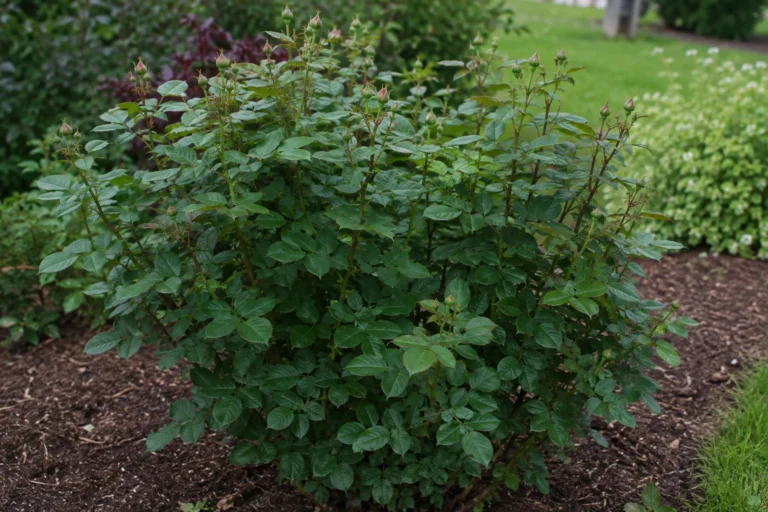
Excess nitrogen can create a large, dark-green plant with vigorous stems and leaves but poor reproductive growth. If the plant is lush and flowering poorly, stop pushing high-nitrogen fertilizer and use soil-test guidance for future feeding.
Poor Pollination in Protected Spaces
Tomatoes are self-pollinating, but pollen still needs to move within the flower. Outdoors, wind and vibration usually help. In a greenhouse, enclosed balcony, or still location, gently tapping flower clusters or using airflow can improve pollen movement.
Heavy Plant Stress
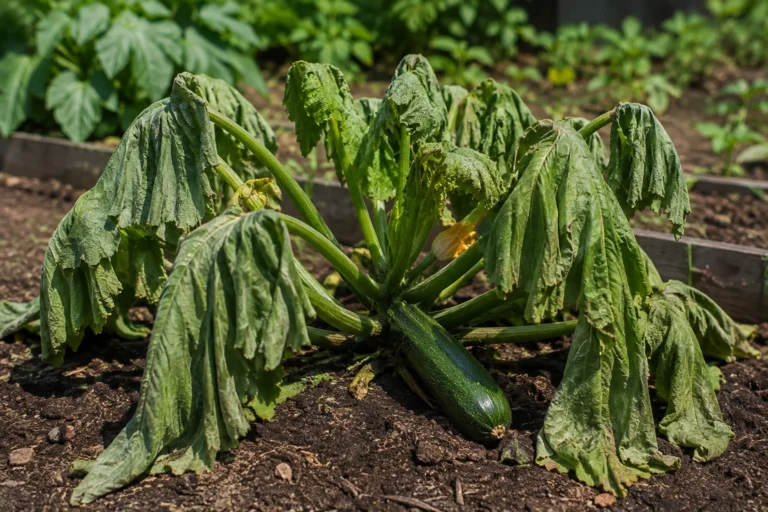
Root damage, severe pest pressure, disease, drought, or transplant shock can all cause the plant to abort flowers. Fix the underlying stress rather than treating the flowers themselves.
How to Improve Tomato Fruit Set
- Keep the root zone evenly moist.
- Avoid heavy nitrogen feeding once plants are established.
- Do not aggressively prune away healthy leaf area during extreme heat.
- Support pollination with gentle vibration in enclosed spaces.
- Inspect for pests and disease if flower drop is accompanied by distorted or unhealthy growth.
- During heat waves, focus on plant survival and wait for cooler weather; new flowers can set later.
Check the Flower Base, Not the Petals
Petals can fall after successful pollination while a tiny fruit remains. Look for swelling behind the flower before counting it as blossom drop. Gentle vibration may help in still protected spaces, but it cannot repair pollen damaged by unfavorable temperatures.
Will tomato flowers grow back after they fall off?
The same flower will not return, but a healthy indeterminate tomato plant can continue producing new flower clusters and may set fruit when conditions improve.
What temperature causes tomato blossom drop?
There is no single cutoff for every variety, but sustained high heat—especially hot nights—can significantly reduce fruit set. Cooler-than-ideal conditions can also cause drop.