Why Is My Tomato Plant Wilting? How to Diagnose and Fix It
A tomato that droops at noon but stands upright at dawn needs a different response from one that stays limp in moist soil. Check both the time of day and the stem base before adding another watering.
Make a Morning Comparison
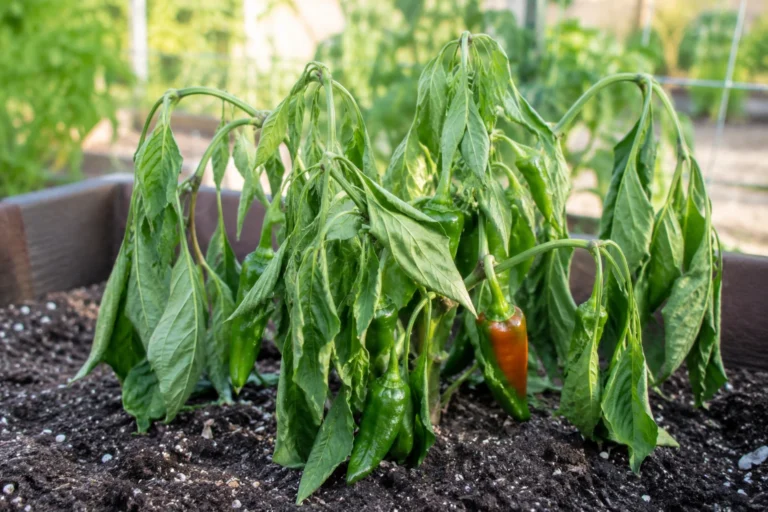
Check the same plant before the day becomes hot. A recovered canopy with moist soil supports temporary heat stress. Persistent wilt, particularly on one side, calls for a closer root and stem assessment. Compare nearby tomatoes: a single collapsing plant suggests a localized injury or disease rather than weather alone.
| What you see | Most likely clue | What to check next |
|---|---|---|
| Whole plant limp + dry soil | Drought stress | Water deeply and recheck in a few hours |
| Afternoon wilt, morning recovery | Heat stress | Maintain even moisture; avoid overwatering |
| Wilt + saturated soil | Root stress/rot | Improve drainage |
| Lower leaves yellow, one side wilts | Fusarium/Verticillium possible | Inspect vascular tissue |
| Sudden wilt in moist soil | Serious root/vascular issue possible | Inspect stem/root and seek local diagnosis |
Dry Soil
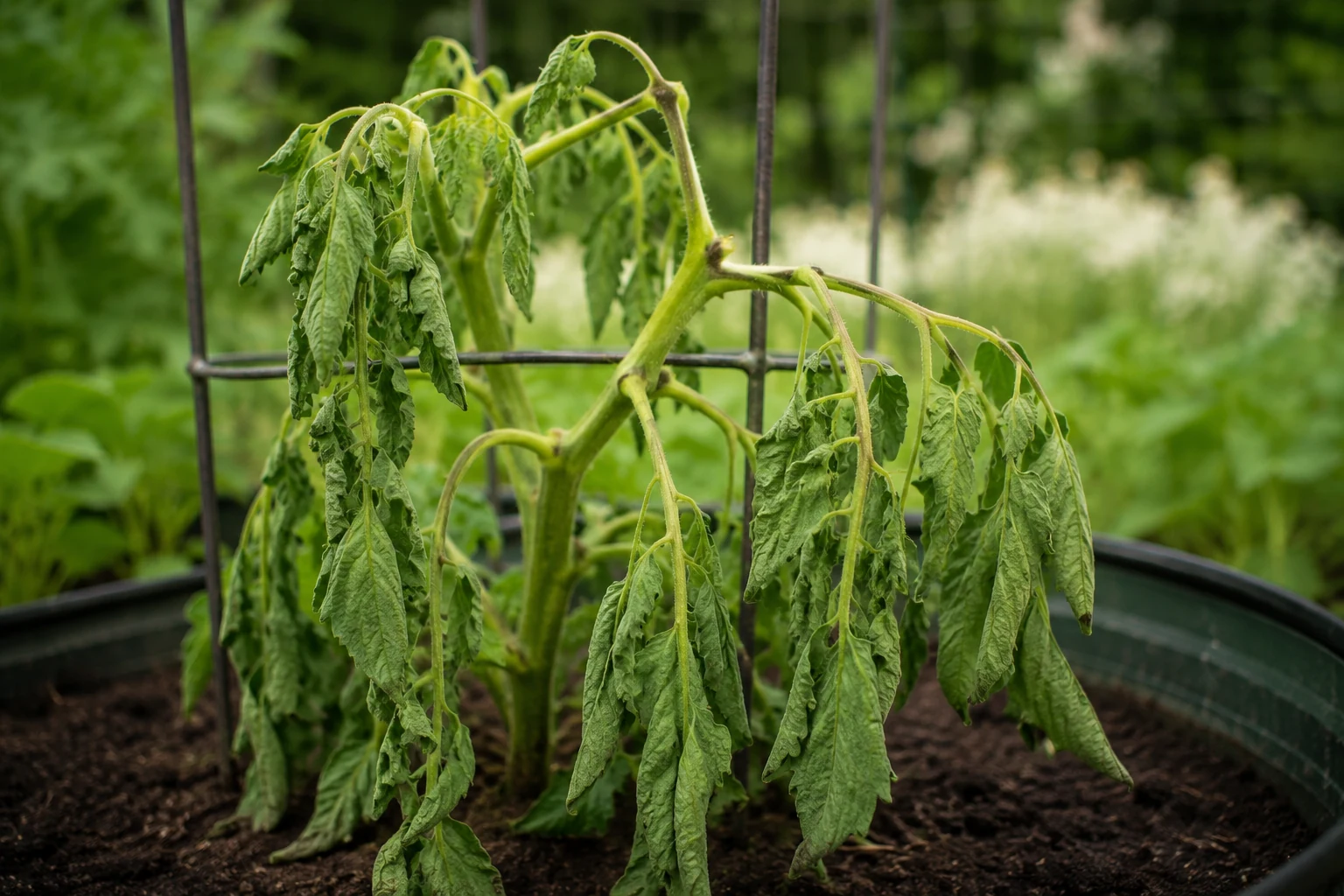
If the soil is dry several inches down and the whole plant is limp, water slowly and deeply at the root zone. A drought-stressed plant should begin to recover after the root zone is rehydrated, although scorched leaves may not recover.
Midday Heat Wilt
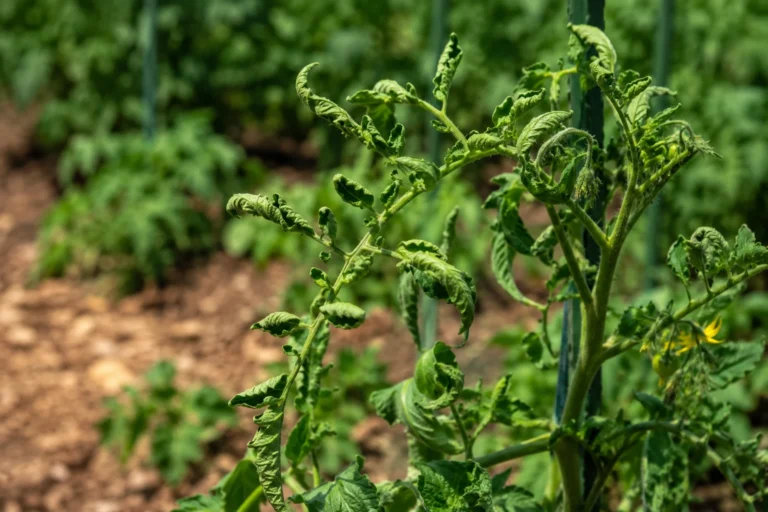
Tomatoes can droop temporarily on very hot, windy afternoons even when the soil contains adequate moisture. If the plant perks up in the evening or by morning, heat stress is more likely than wilt disease. Keep moisture even and avoid repeatedly flooding already-moist soil.
Waterlogged Roots
A plant can wilt in wet soil because oxygen-starved or damaged roots cannot supply the canopy. Check drainage, container holes, and whether the bed has stayed saturated after rain.
Fusarium or Verticillium Wilt
Soil-borne vascular wilts often begin on lower foliage. Leaves yellow, then wilt, sometimes more strongly on one side. A lower stem cut lengthwise may show brown or tan vascular tissue. Once a plant is systemically infected, cultural changes rarely restore it.
Bacterial Wilt
Bacterial wilt can cause rapid collapse, often without the long period of lower-leaf yellowing seen with some fungal wilts. Diagnosis varies by region and crop history, so use a local extension service or plant clinic when the wilt is sudden and unexplained.
Stem or Root Injury
Check the base of the stem for chewing, boring holes, rot, cracking, or mechanical damage. Also consider recent cultivation that may have cut roots. A localized stem injury can make one branch or the whole plant wilt even when soil moisture is adequate.
How to Diagnose a Wilting Tomato Plant
- Check soil moisture at root depth.
- Observe whether the plant recovers overnight.
- Look for yellow lower leaves and one-sided symptoms.
- Inspect the stem base for lesions or borer entry holes.
- Cut a lower stem only if vascular wilt is suspected.
- Remove plants with strong evidence of serious soil-borne wilt and avoid moving contaminated soil to other beds.
When Further Water Is the Wrong Experiment
If the root zone is already wet, repeated irrigation can worsen oxygen shortage. Record recent rain, stem wounds, and the pace of decline. Take clear photographs to an extension service before removing all plants in the bed; similar wilt symptoms do not always have the same cause.
Can a wilted tomato plant come back?
Yes, if the cause is temporary drought or heat and the roots remain healthy. Plants with systemic vascular wilt diseases generally do not recover reliably.
Why does my tomato wilt in the afternoon but look fine in the morning?
That pattern commonly reflects temporary heat stress, especially during hot or windy weather. Maintain consistent root-zone moisture and monitor for morning recovery.