Pepper Bacterial Leaf Spot: Fruit Lesions and Next-Season Prevention
This pepper leaf-spot guide focuses on what fruit damage means and how to avoid carrying the problem into another crop. Once lesions are present, the goal is limiting spread and protecting healthy growth.
How to manage it
| Step | Why it matters | Action |
|---|---|---|
| Sanitation | Reduces spread | Remove badly affected leaves and clean tools |
| Watering changes | Limits splash | Water at the base, not overhead |
| Spacing | Improves drying | Thin crowded plants and manage weeds |
| Rotation | Lowers carryover | Avoid planting peppers or tomatoes in the same spot repeatedly |
Examine Fruit Alongside the Leaves
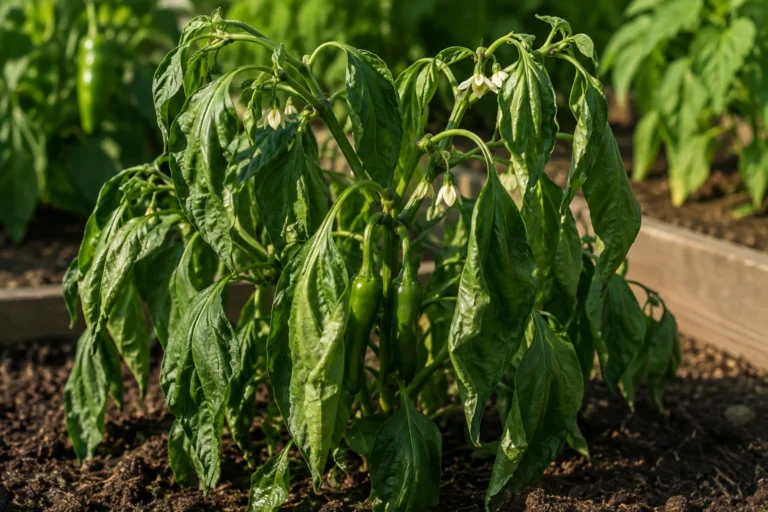
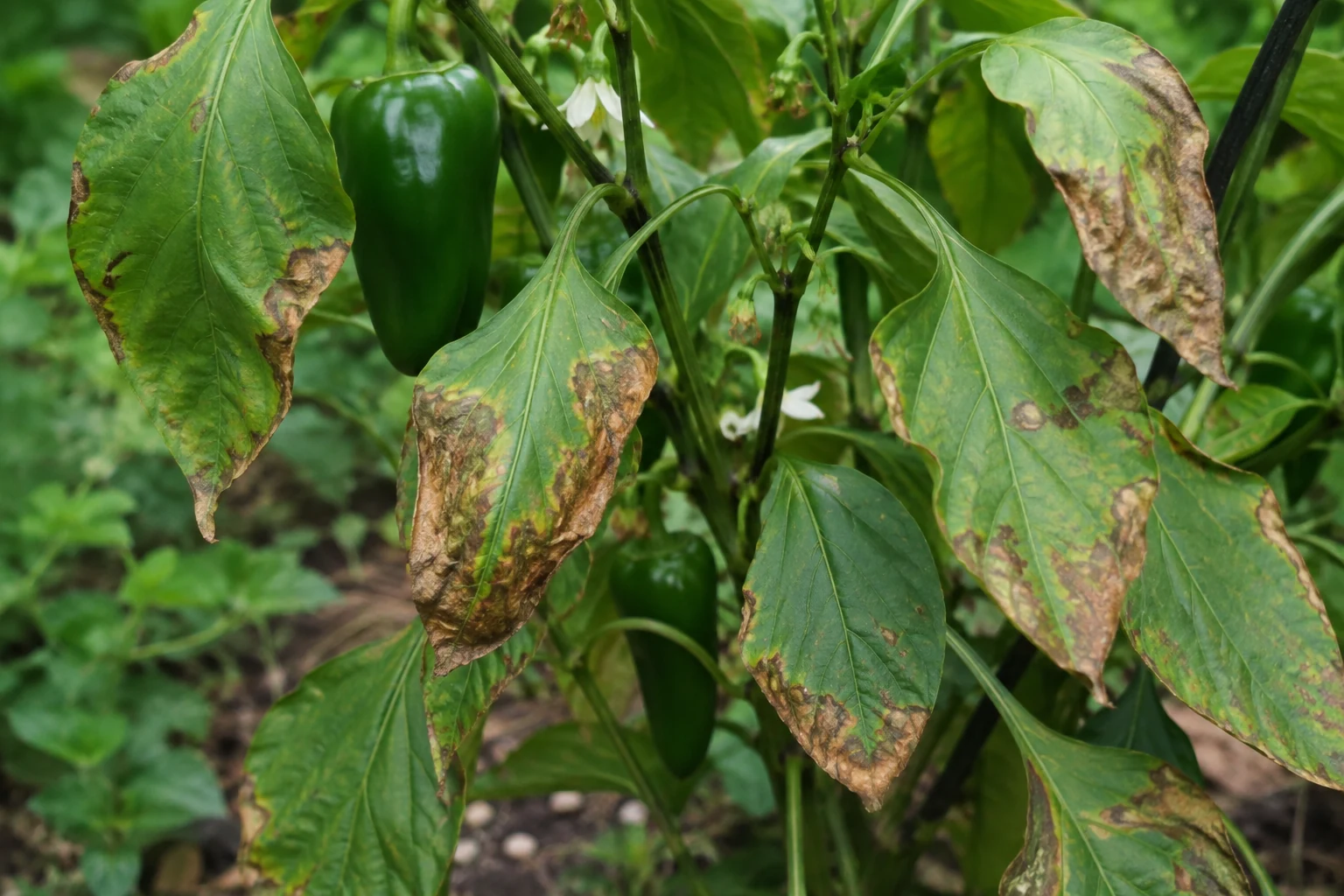
Bacterial leaf spot can produce raised or scabby fruit lesions, but not every blemish confirms that diagnosis. Compare leaf symptoms and seek local identification where the cause is uncertain. Discard soft, moldy, or decaying fruit rather than treating all damaged peppers as merely cosmetic. Dry superficial blemishes differ from active breakdown, but crop hygiene still matters.
What to watch next
New growth is the best indicator. If fresh leaves stay cleaner after watering changes and sanitation, the management plan is helping.
When fruit is affected
Fruit can show raised or scabby spots. Those peppers are often still usable if damage is cosmetic, but severe spotting lowers quality.
Start Prevention Before the Next Transplants Arrive
Use reliable clean seed or healthy transplants, select appropriate resistant cultivars when available, and remove infected crop debris. Avoid saving seed from suspect plants for an unverified fresh start. Rotate away from affected solanaceous crop areas where practical and reduce splash irrigation. Resistance varies by pathogen strain, so a resistant label is not a promise of immunity. Keep a record of cultivar and symptom timing to guide local advice instead of repeating an unsuccessful spray routine.
Keep an affected plant’s fruit and foliage observations together in the record. Scabby pepper lesions can persist even if new foliage looks cleaner, because tissue already injured does not reset after management changes. Handle suspect plants after healthy ones and clean equipment. Avoid assuming that seed collected from apparently sound fruit on a diseased plant is suitable for the next crop.