Houseplant Leaf Spots: Separate Old Scars From Active Spread
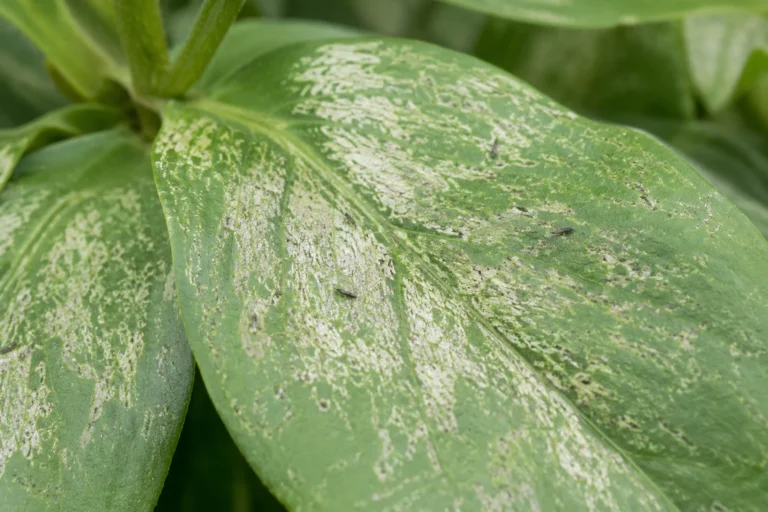
A stable scar on one leaf is different from new lesions appearing across a collection. Follow spot expansion and inspect both leaf surfaces before assuming a fungal infection.
Start With Sanitation
| What you see | Most likely clue | What to check next |
|---|---|---|
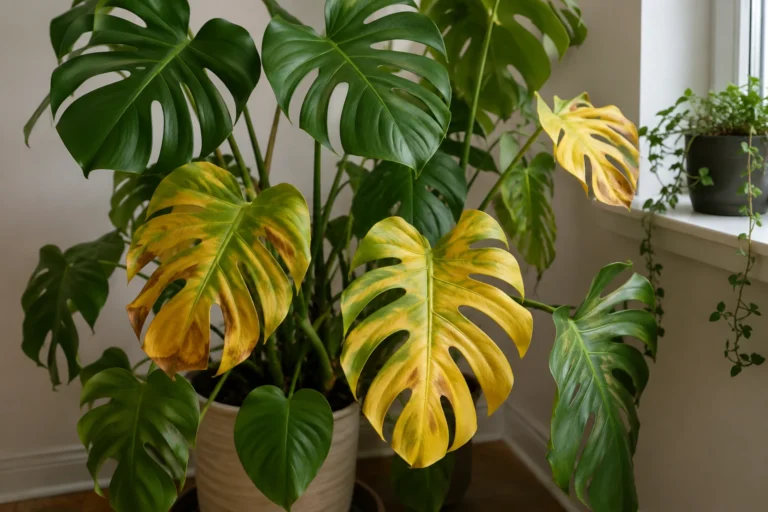
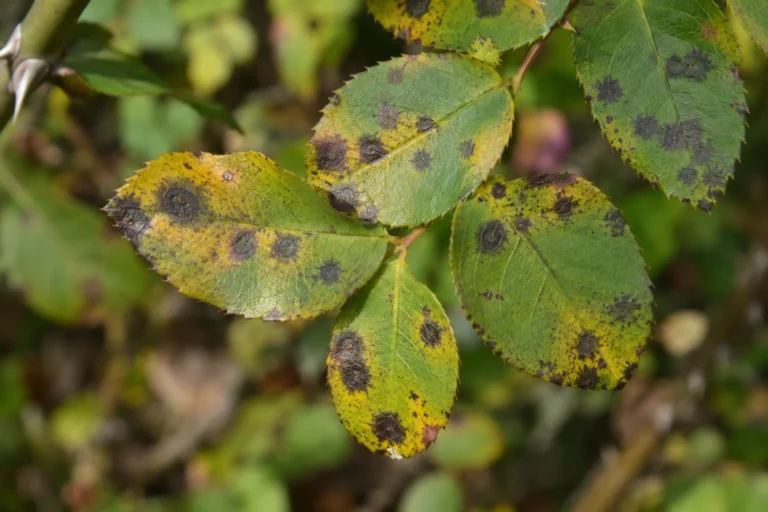
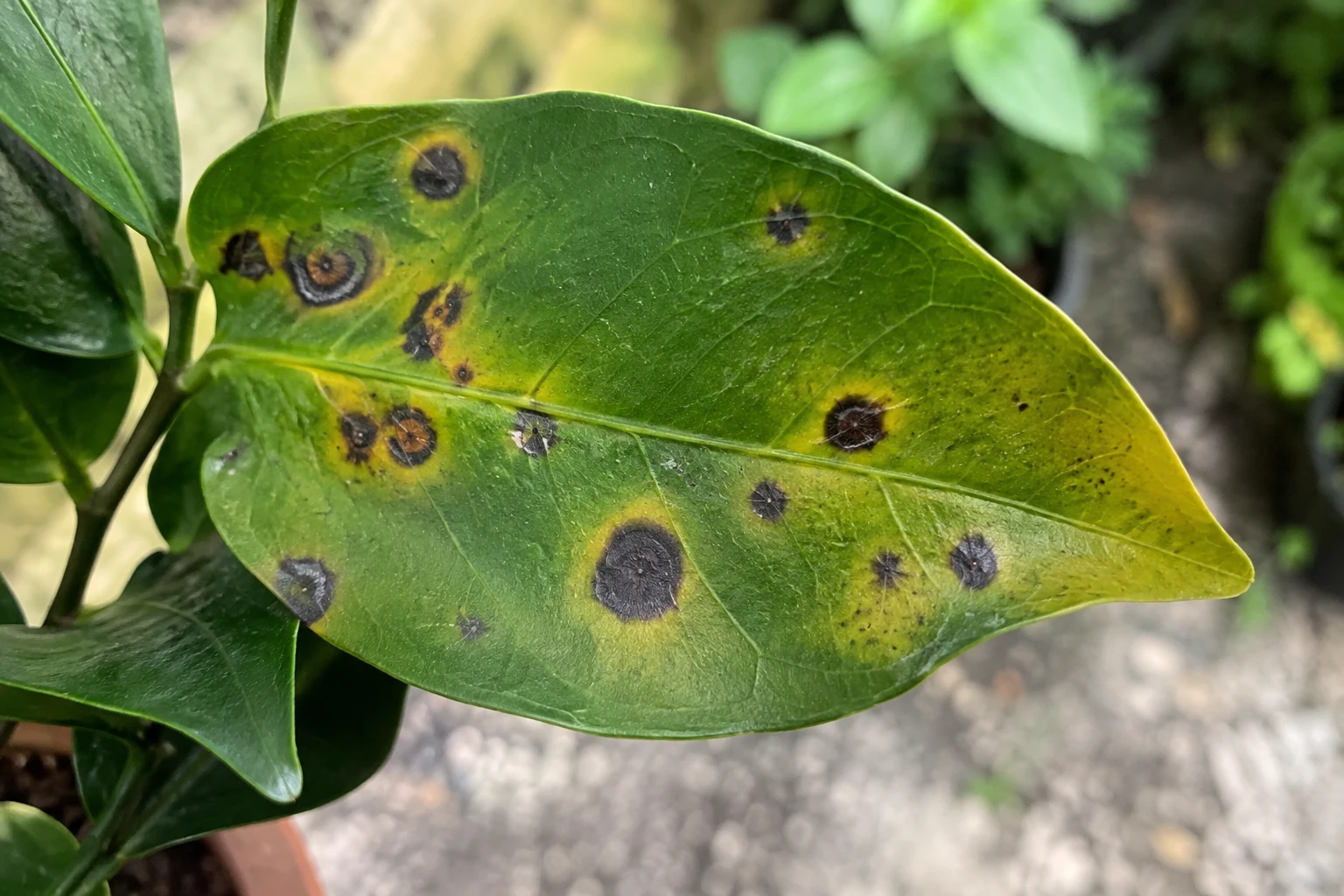
| Dark spots with yellow halos | Leaf spot disease possible | Remove worst leaves |
| Spots expand after leaves stay wet | Moisture-driven disease | Keep foliage drier |
| Only old leaves affected | Past damage or aging | Watch new growth |
| Spots continue on new leaves | Active problem | Improve conditions and identify disease |
Map the Spots Over Several Checks
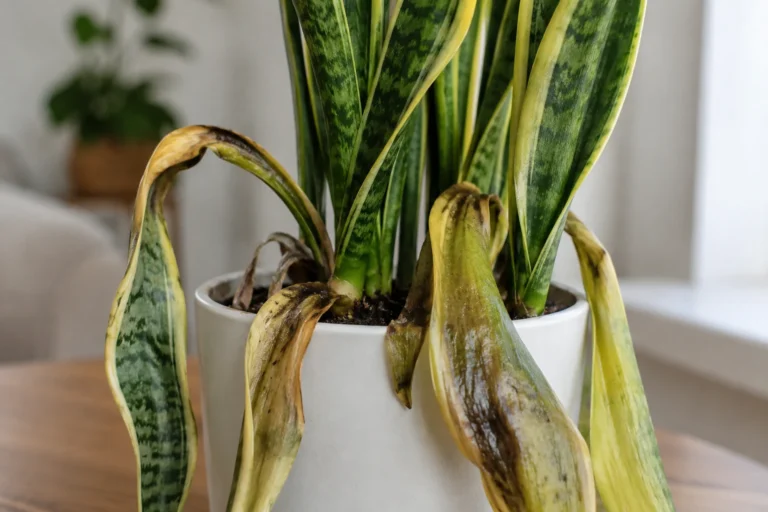
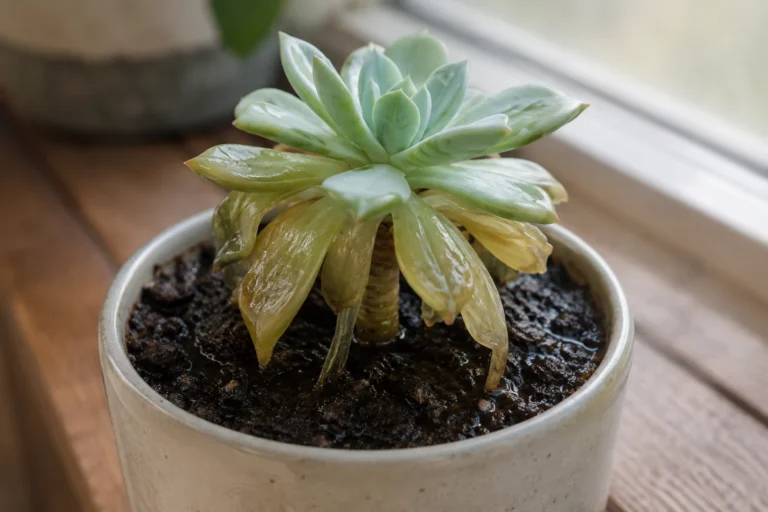
Photograph a marked leaf and note whether the lesion grows or new leaves become affected. Window-side scorch, contact damage, and dried droplets can leave fixed marks. Expanding water-soaked lesions or repeated new spotting warrant isolation and diagnosis.
Remove heavily affected leaves
Use clean scissors and discard the worst leaves. Avoid removing so much foliage that the plant is severely weakened.
Keep leaves dry
Water the potting mix rather than routinely wetting foliage. Good air movement helps leaves dry faster.
Avoid crowding
Dense clusters of plants can trap humidity and slow drying. Give plants enough space for air circulation.
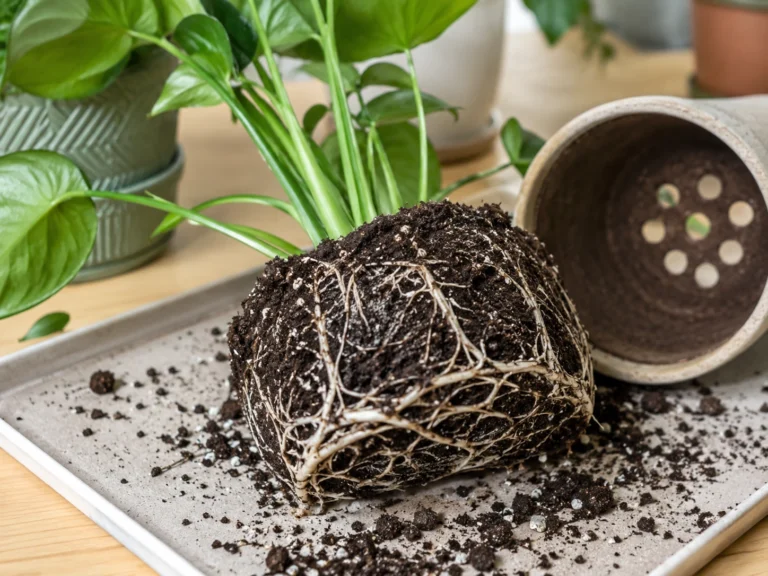
Correct root-zone stress
Overwatered roots weaken plants and can make disease problems worse. Make sure the container drains freely.
Avoid a Blanket Fungicide Response
Leaf spots can be bacterial, fungal, or noninfectious, and a generic fungicide may not address the cause. Improve handling, leaf drying, and root conditions while gathering evidence. If treatment is needed, match it to an identified problem and the houseplant species.
Use a separate tool or clean the blade when removing suspect leaves, then let foliage dry before moving plants back together. Water droplets and close contact can spread some infectious leaf problems. A single cosmetic scar does not require the same isolation period as repeatedly appearing lesions. Keep notes on new symptoms so care changes can be evaluated rather than guessed.