More Rose Blooms: Match Sun, Pruning, and the Rose Type
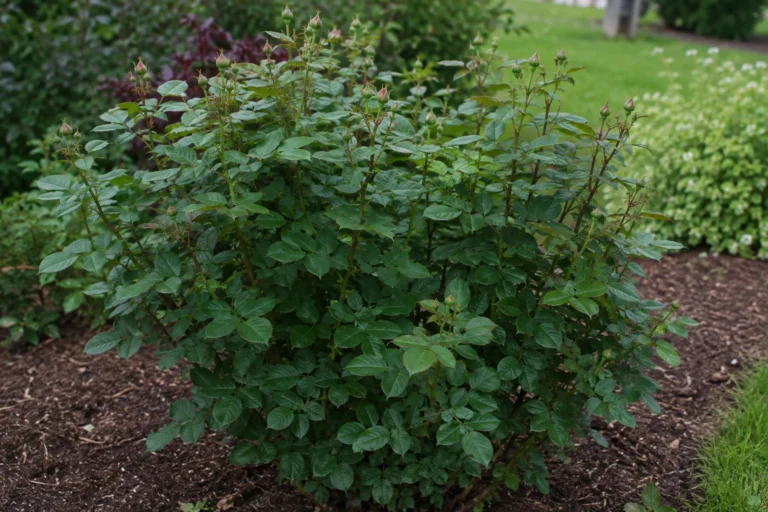
More fertilizer is not always the missing ingredient in a lightly flowering rose. First confirm whether it is a repeat bloomer, whether healthy flowering shoots receive enough sun, and whether pruning removed its bloom wood.
Once-Blooming Roses Need a Different Plan
Some old garden and climbing roses flower mainly once on established growth. Repeated deadheading will not turn them into continuous bloomers, and hard spring pruning can remove potential flowers. Identify the rose before copying a pruning routine designed for a hybrid tea or repeat-flowering shrub.
Give roses enough sun
Roses bloom best with at least six hours of direct sun, and morning sun is especially valuable because it dries dew and supports healthier foliage. A rose in too much shade may survive, but it will rarely bloom heavily.
Prune for energy and airflow
Regular pruning removes weak, crossing, and exhausted stems so the plant can channel energy into strong canes and flower production. The exact style depends on rose type, but the principle is simple: open the center, keep strong canes, and remove dead wood.
Feed for flowers, not just foliage
Roses are hungry plants during active growth. Compost, a balanced rose fertilizer, and steady moisture help support repeat blooming. Avoid overloading with nitrogen because that can produce lush leaves with fewer blooms.
Deadhead the right way
For repeat-blooming roses, removing spent flowers tells the plant to keep producing. Cut just above a healthy outward-facing leaf set rather than snapping off flowers randomly.
| Action | Why it helps |
|---|---|
| More sun | Builds more energy for buds |
| Correct pruning | Stimulates strong flowering shoots |
| Balanced feeding | Supports repeat bloom cycles |
| Deadheading | Encourages the next flush |
Other bloom boosters
- Water deeply and evenly during hot weather.
- Mulch the soil to keep roots cooler and reduce stress.
- Watch for black spot, aphids, and other issues that weaken flowering.
- Remove very weak twiggy growth that rarely flowers well.
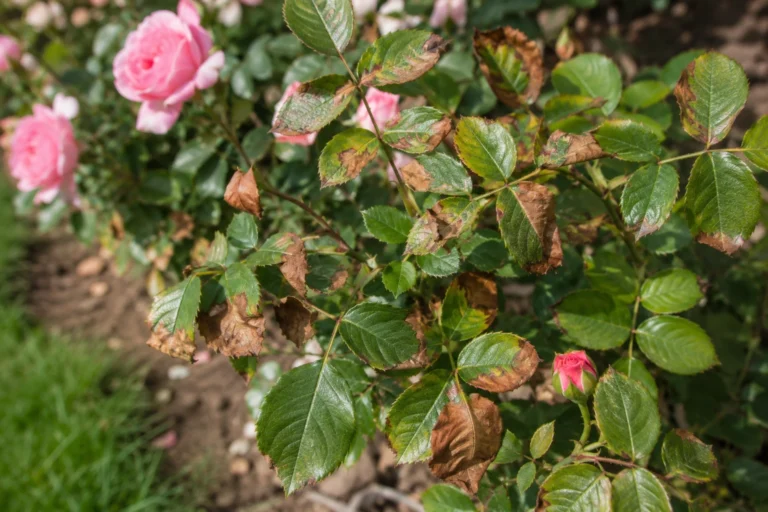
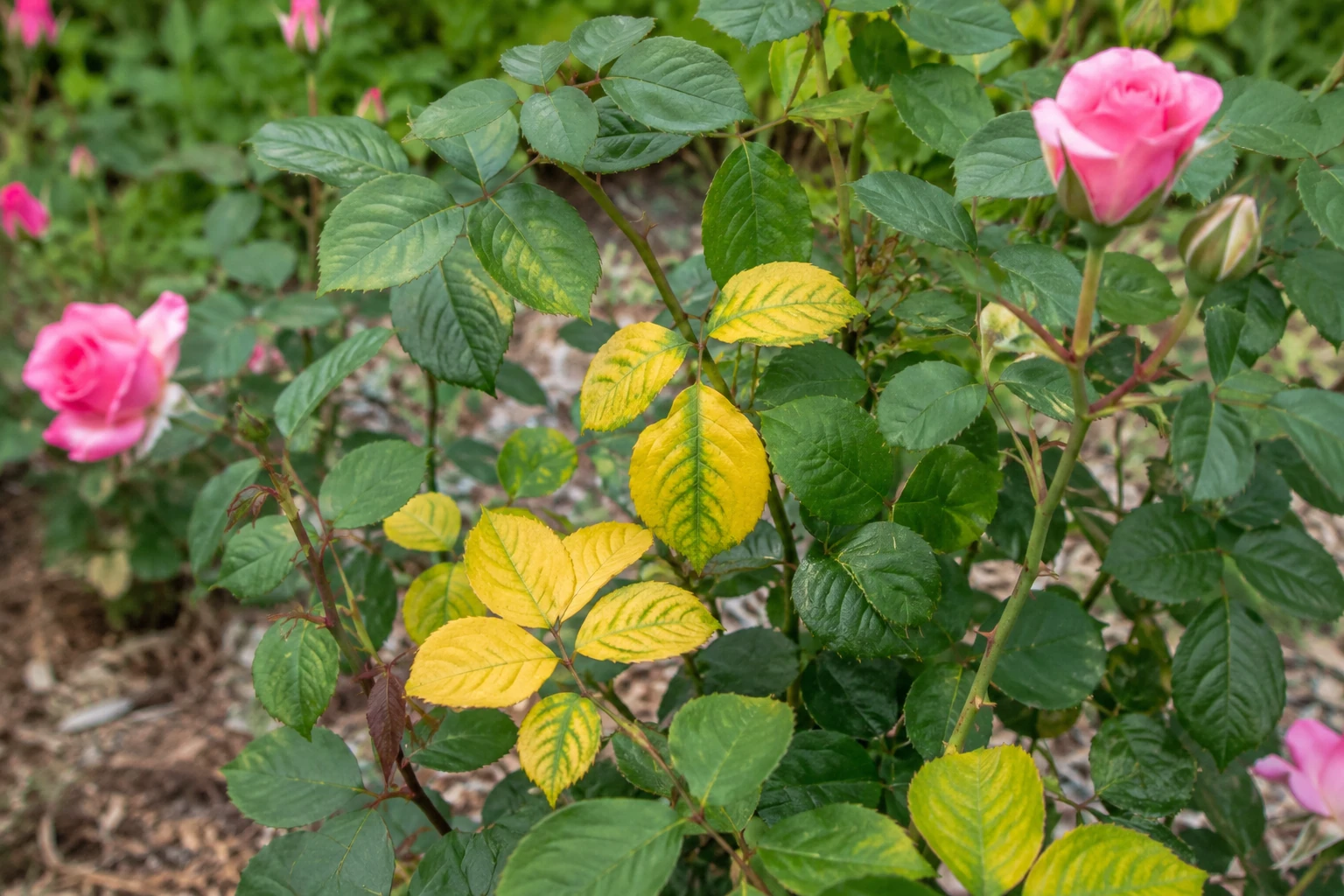
Assess the Leaves That Support the Next Flush
A defoliated rose may struggle to form another strong flower display. Address black spot, pests, or root stress before pushing growth with feed. Balanced care supports buds, but a plant short of healthy leaf area cannot compensate simply by receiving larger fertilizer doses.