Why Are My Rose Leaves Turning Yellow?
A rose losing a few shaded inner leaves may simply be renewing foliage. Yellow leaves with dark lesions, rapid leaf drop, or widespread paling call for a more deliberate check of disease and roots.
Search for Lesions Before Adding Feed
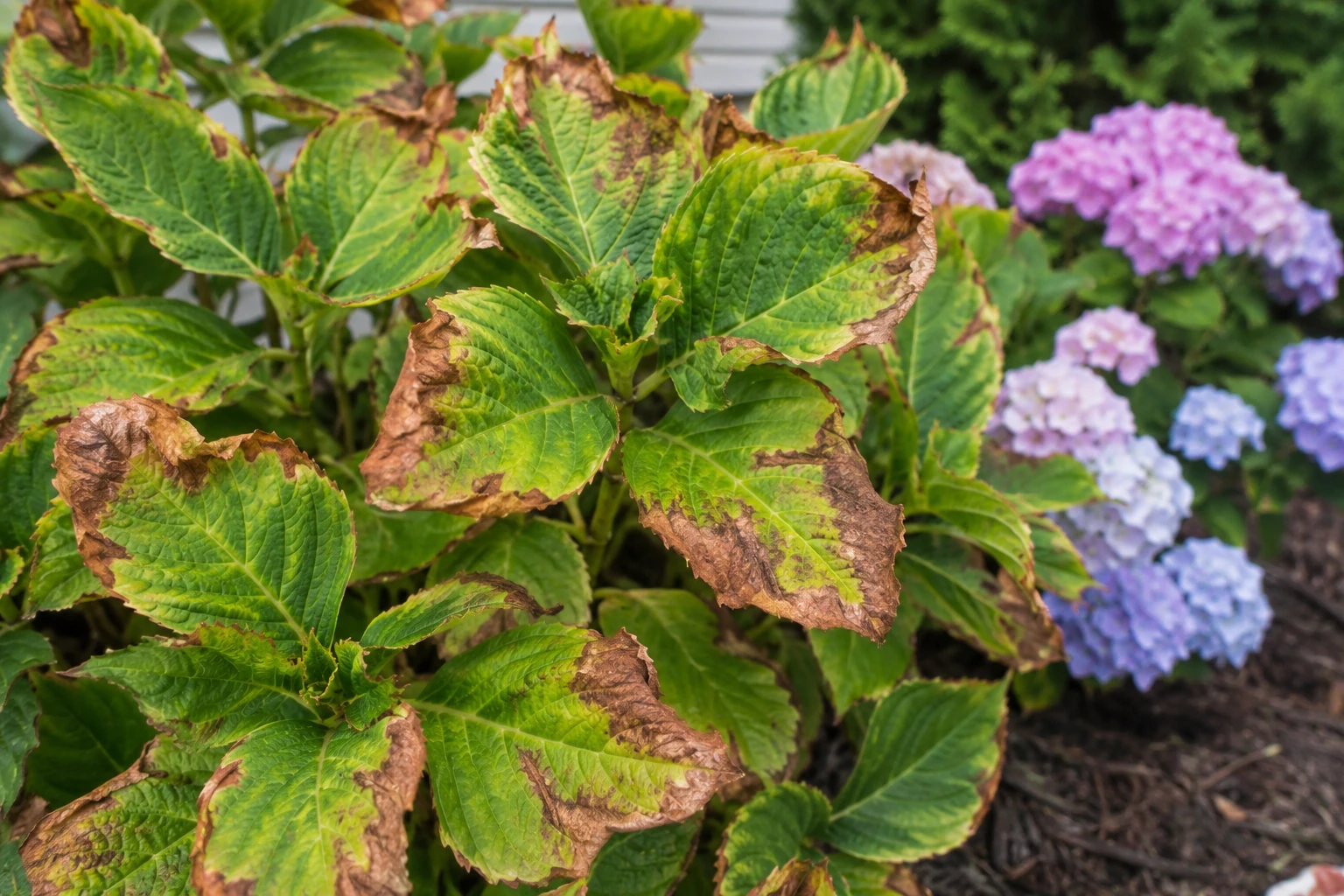
Black spot commonly causes yellowing around dark lesions, while nutrient and water stress can yellow leaves without those marks. Examine fallen leaves as well as attached foliage. Removing all yellow leaves without checking them can erase useful evidence of the cause.
Common causes
Normal leaf turnover
Roses regularly shed some older leaves, especially inside the bush or low on the plant. If new growth is healthy, there is usually no reason to worry.
Water stress
Both drought and overwatering can cause yellow leaves. Roses prefer deep, consistent watering rather than frequent shallow splashes.
Nutrient problems
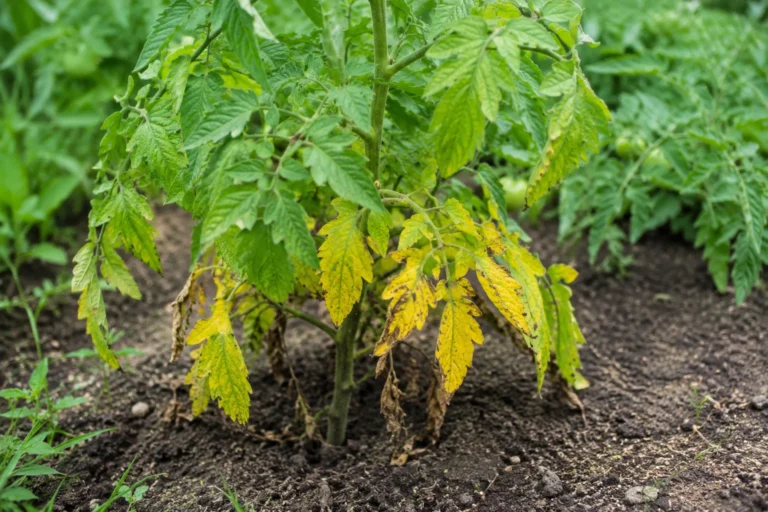
Pale yellow leaves with greener veins can point to nutrient imbalance, especially when roots cannot take up nutrients effectively in stressed soil.
Black spot
This common fungal disease often causes yellowing followed by leaf drop. Good sanitation and airflow are key first steps.
How to correct the problem
- Remove badly yellow or spotted leaves from the plant and ground.
- Water at the base and avoid soaking leaves late in the day.
- Feed roses during active growth, but do not overdo high-nitrogen products.
- Thin congested growth to improve airflow.
Avoid Defoliating the Whole Bush
Clear fallen diseased material and remove the worst damaged leaves, keeping functional foliage where possible. A severely bare rose needs time to rebuild its canopy. Review irrigation and root conditions before feeding heavily to force rapid new shoots.
If yellowing follows heavy feeding, review the actual application and weather rather than adding a second product. Container roses are particularly vulnerable to accumulated salts when runoff is retained. Check whether water drains away and whether the roots remain sound. A soil or medium assessment is more useful than guessing a missing mineral from a single discolored leaf.