How to Get Orchids to Rebloom
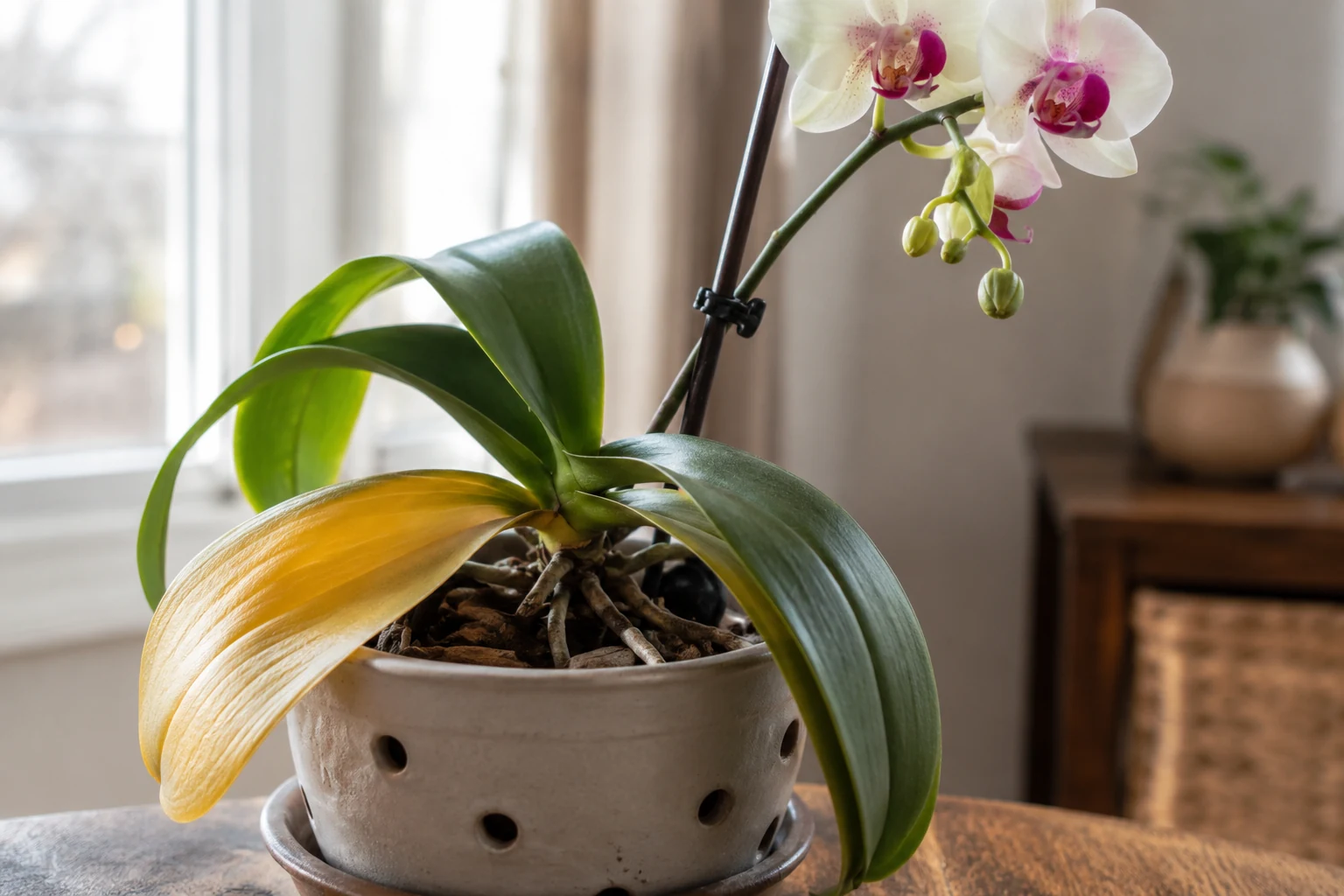
Reblooming advice for a moth orchid is not automatically suitable for every orchid. Identify the plant first, then assess whether it has enough appropriate light and sound roots to support another flowering cycle.
Increase light carefully
Many orchids make leaves in low light but fail to spike. Move the plant closer to a bright window without exposing it to harsh scorching sun.
A Flower Spike Is Not the Same as a Root
On phalaenopsis, a new root often has a rounded growing tip, while a developing flower spike has a different flatter tip and growth pattern. Observe before cutting a new structure. A green old spike may branch on some plants, but a fully dried spike cannot be revived; follow species-specific pruning advice.
Review watering habits
Roots need air as much as moisture. Let the medium approach dryness between waterings according to the orchid type and potting mix.
Feed lightly during growth
A diluted orchid fertilizer during active growth can support future blooming, but overfeeding causes salt buildup and root stress.
Respect the rest phase
Some orchids need a seasonal shift or slight nighttime temperature drop to trigger spikes.
Keep the roots healthy
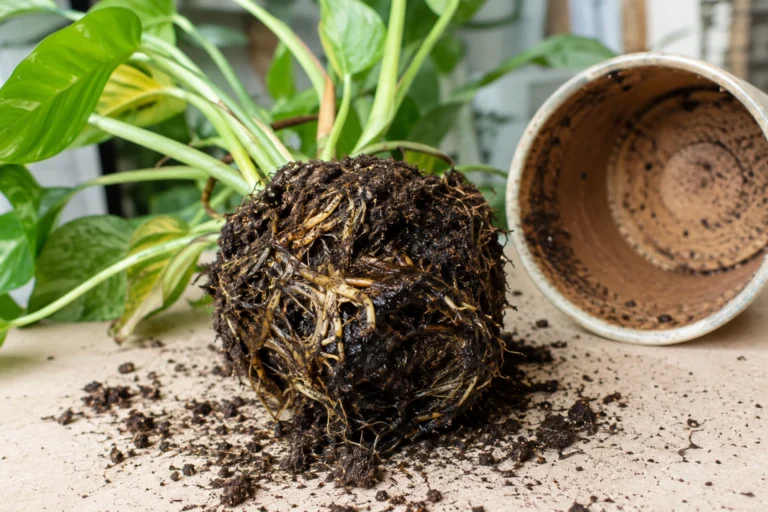
Repot stale bark or moss when it breaks down and starts holding too much moisture.
Use a Temperature Change Without Chilling the Plant
Some phalaenopsis respond to a moderate seasonal night-temperature reduction, but abrupt cold drafts can damage buds and leaves. Maintain suitable light and root health rather than forcing a cold treatment on a weak plant. Other orchid groups have different rest and flowering requirements. Fertilizer supports growth when appropriate; it does not substitute for light or restore rotten roots. Track new leaves and roots as part of readiness for reblooming.
Healthy phalaenopsis may grow new roots and leaves before committing to another spike. That sequence can be normal recovery after flowering or repotting. Keep the medium suitable and avoid replacing it solely because a flower has not appeared on schedule. If a spike begins, protect developing buds from abrupt drafts and temperature shifts rather than continuing a strong temperature-change experiment.