Why Are My Hydrangea Leaves Turning Yellow?
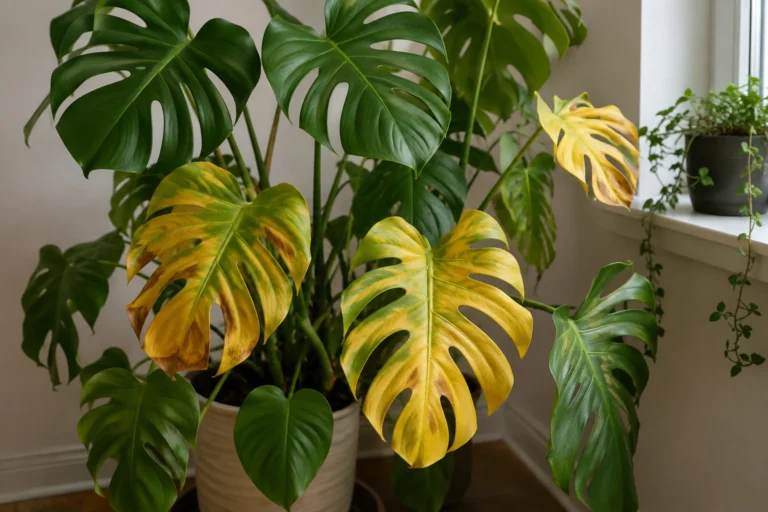
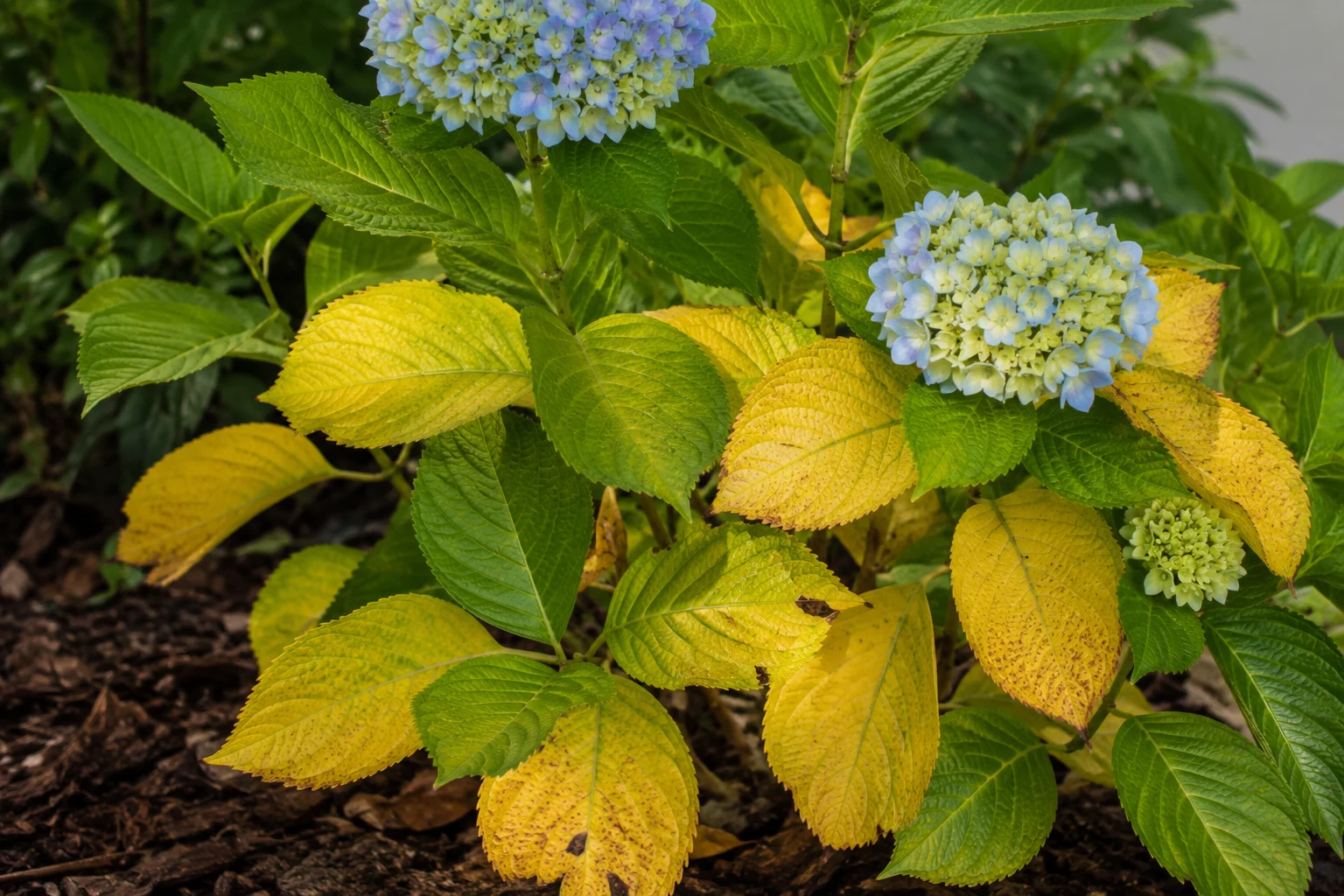
Uniform yellowing on older hydrangea leaves differs from pale new leaves with greener veins. Check that distinction together with planting depth, drainage, and soil chemistry before choosing a nutrient treatment.
Interveinal Chlorosis Calls for a Soil Check
When newer leaves are pale between green veins, iron availability can be involved, especially in unsuitable soil conditions. That pattern is not a reason to add every nutrient or blindly acidify the bed. A soil test and local advice help distinguish pH-related availability from root damage or other deficiencies. Record the hydrangea type because tolerances vary.
What to check first
| Symptom pattern | Likely clue | Next step |
|---|---|---|
| Whole plant looks pale and droopy | Watering stress | Check soil moisture and drainage |
| Yellowing between green veins | Nutrient imbalance | Review soil pH and feeding |
| Yellow lower leaves late in season | Natural aging | Monitor and remove spent foliage as needed |
| Yellowing with root-zone saturation | Root stress | Improve drainage and reduce watering frequency |
How to respond
Correct the root-zone conditions first. Hydrangeas respond better to consistent moisture than repeated cycles of drought and soaking.
When to suspect nutrients
If the plant is watered appropriately and the pattern is consistent across multiple leaves, a pH-related nutrient problem may be part of the issue.
Check a Newly Planted Root Ball Separately
The original potting mix may be dry while surrounding garden soil is moist, or the planting hole may trap excess water. Feel both materials and inspect whether the crown was buried too deeply. Correct moisture and drainage before expecting fertilizer to change leaf color. Judge improvement from future growth and a stable canopy; heavily damaged older leaves may remain yellow even after the underlying problem is addressed.
Leaf age matters when checking nutrients: compare the newest expanded foliage with older leaves low inside the shrub. Uniform paling and green-veined chlorosis are different observations. If the canopy remains vigorous and only old shaded leaves fade, immediate chemical correction may be unnecessary. Where yellowing persists, bring leaf photographs and soil information to local advice rather than trying several amendments at once.