Yellow Tomato Leaves: Read the Pattern Before Treating
Tomato leaves turn yellow for reasons ranging from watering stress and nutrient imbalance to disease. Use the symptom pattern to find the cause and fix it.
Practical help for growing tomatoes, peppers, cucumbers, zucchini, herbs and more.
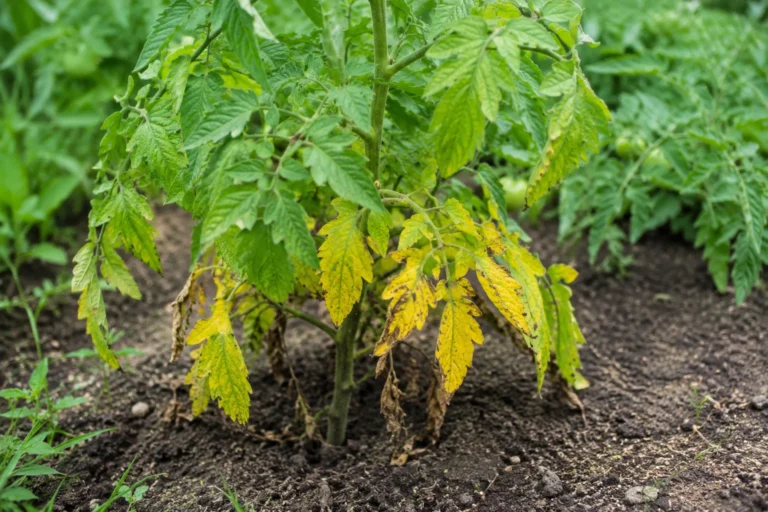
Tomato leaves turn yellow for reasons ranging from watering stress and nutrient imbalance to disease. Use the symptom pattern to find the cause and fix it.
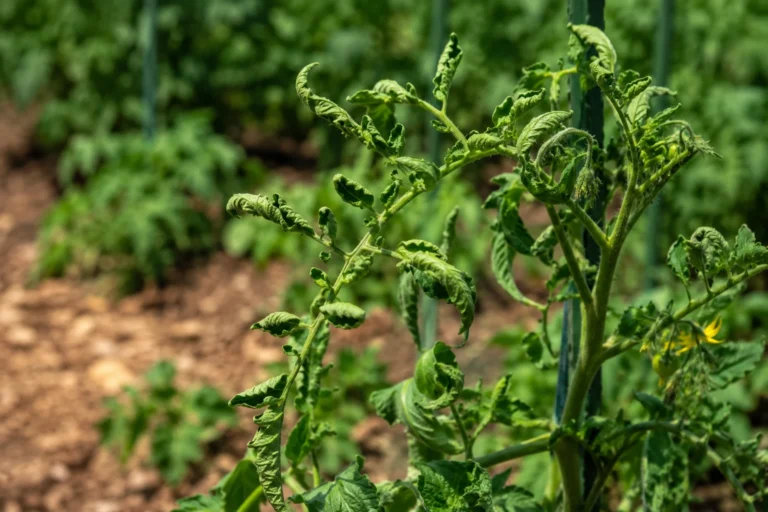
Tomato leaves can curl from heat, drought, root stress, aphids, viruses, or herbicide injury. Learn how to tell harmless leaf roll from a serious problem.
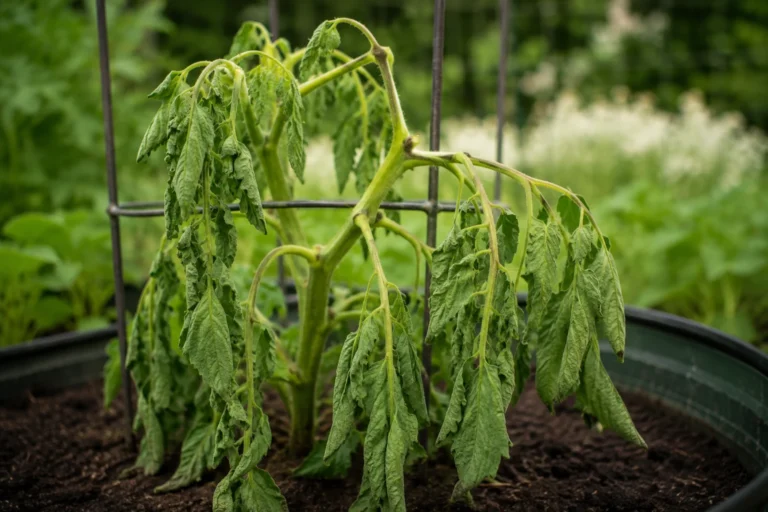
A wilting tomato plant may need water—or it may have heat stress, root damage, Fusarium, Verticillium, bacterial wilt, or stem injury. Diagnose it first.
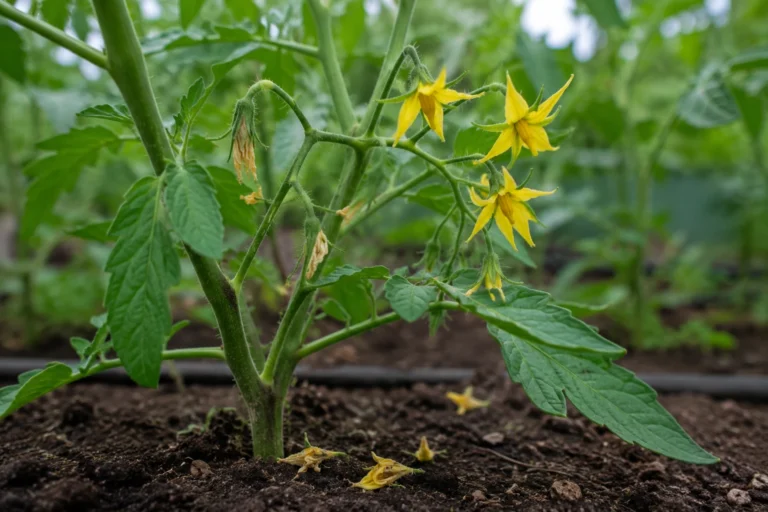
Tomato flowers often fall off because of heat, cool nights, water stress, excess nitrogen, poor pollination, or plant stress. Learn how to improve fruit set.
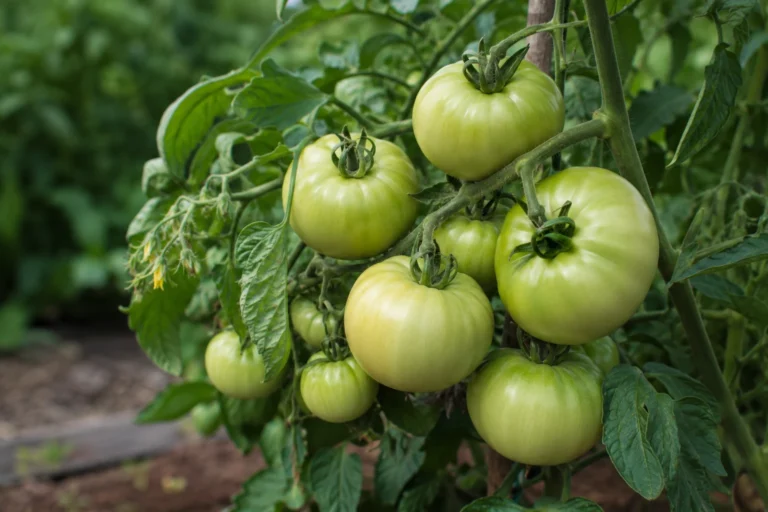
Tomatoes may stay green because they are immature, temperatures are too hot, the plant is overloaded, or the variety ripens to another color. Here is what to do.
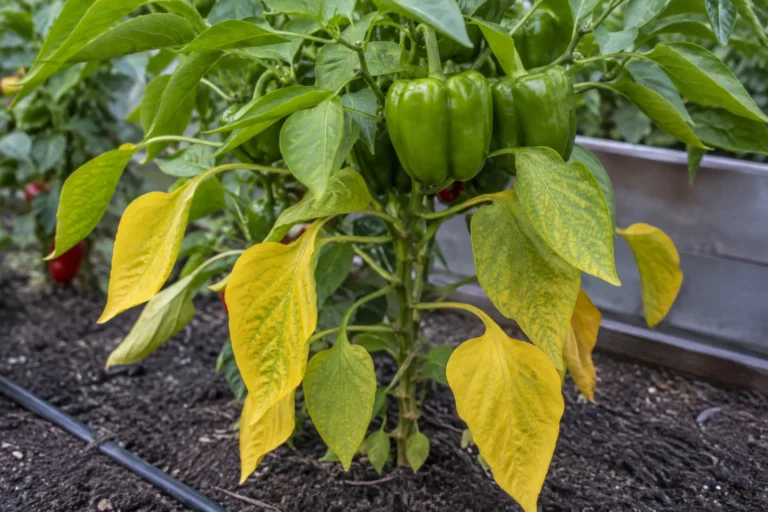
Pepper leaves can turn yellow from overwatering, drought, nutrient problems, pests, cold soil, or root disease. Use the leaf pattern to identify the cause.
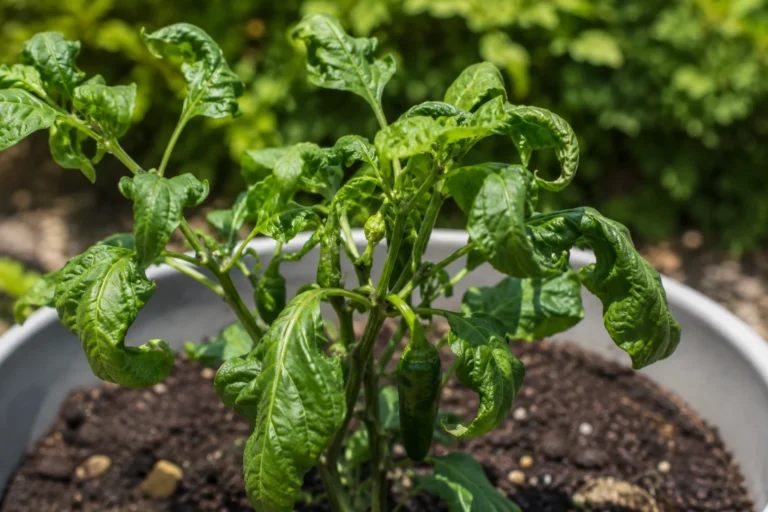
Pepper leaves curl from heat, uneven watering, aphids, thrips, mites, viruses, or herbicide injury. Learn the visual clues that separate each cause.
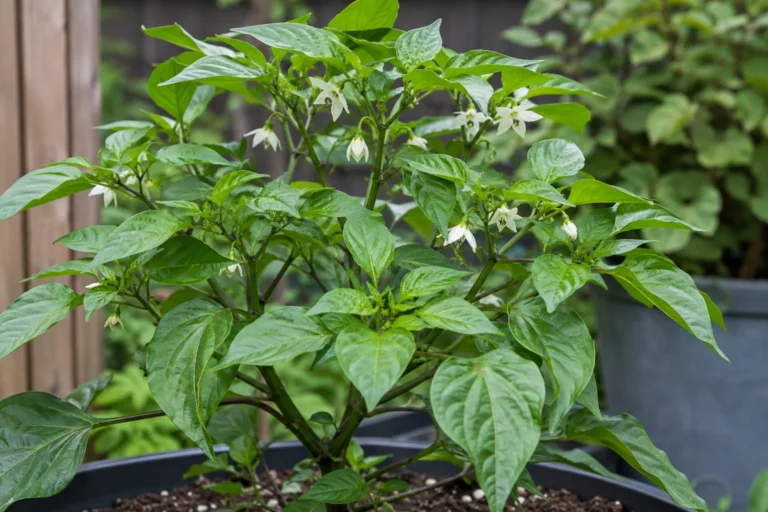
Pepper plants may flower but fail to fruit because of heat, cool nights, excess nitrogen, water stress, pollination problems, pests, or disease.
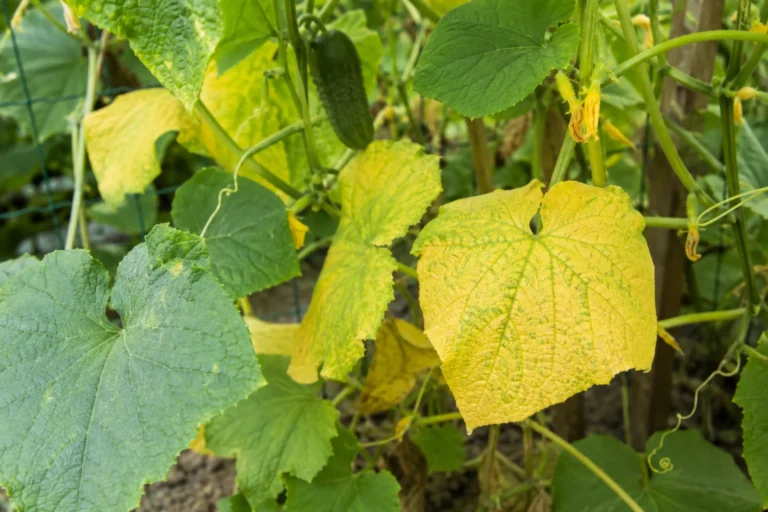
Cucumber leaves turn yellow from nutrient stress, overwatering, mites, aphids, mildew, viruses, cold damage, or normal aging. Diagnose the pattern first.
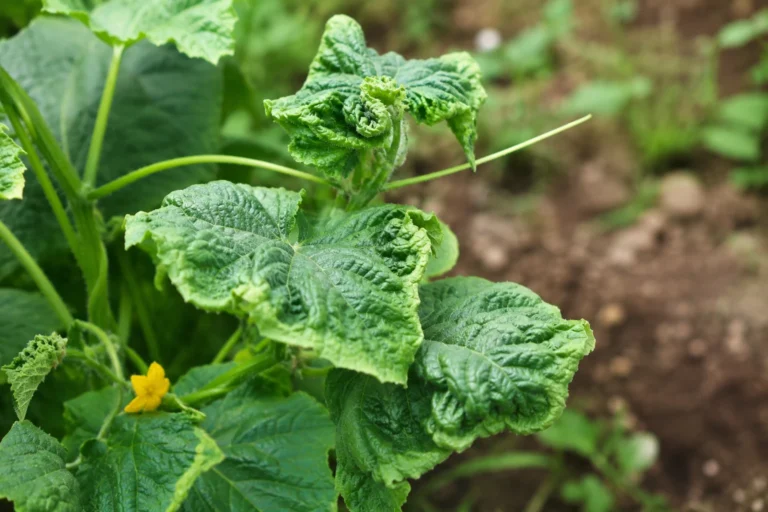
Cucumber leaves can curl from heat and water stress, aphids, mites, viruses, herbicide injury, or root problems. Learn which symptoms matter most.